What's The Big News?
Alright, folks, buckle up! We're talking about bikes, and not just any bikes – we're looking ahead to the second half of 2026. Yes, that feels a bit far, but for us Indian riders, a new bike isn't just a purchase; it's a long-term commitment, often years in the making. So, knowing what's coming down the road, literally, is crucial.
The Indian two-wheeler market is always buzzing, and 2026 is shaping up to be no different. We're hearing whispers and seeing a lot of groundwork being laid for some seriously interesting machines. From commuters that make your daily grind smoother to performance bikes that give you chills, manufacturers are planning big. It's not just about more options; it’s about better technology, safer rides, and bikes that truly understand what we, the Indian rider, need and want.
The Evolving Landscape: Premium & Electric Moves
Look, the biggest trend we’re seeing, and it’s only going to accelerate by 2026, is the push towards more premium offerings and a serious surge in electric two-wheelers. Gone are the days when a 150cc bike was considered top-tier for most; now, even commuters are getting features like Bluetooth connectivity, full-digital clusters, and even dual-channel ABS. Brands understand that we're willing to pay a little extra for quality and convenience.
Then there's the electric revolution. It’s not just scooters anymore. We're expecting to see more practical, longer-range electric motorcycles hitting the market by 2026. These won't just be urban commuters; some might even offer decent highway capabilities, making EVs a real alternative for many. The infrastructure is slowly catching up, and manufacturers are getting smarter with battery tech and motor efficiency. Plus, who doesn't like skipping the petrol pump line? (and honestly, it shows in the market interest).
The Usual Suspects & New Challengers
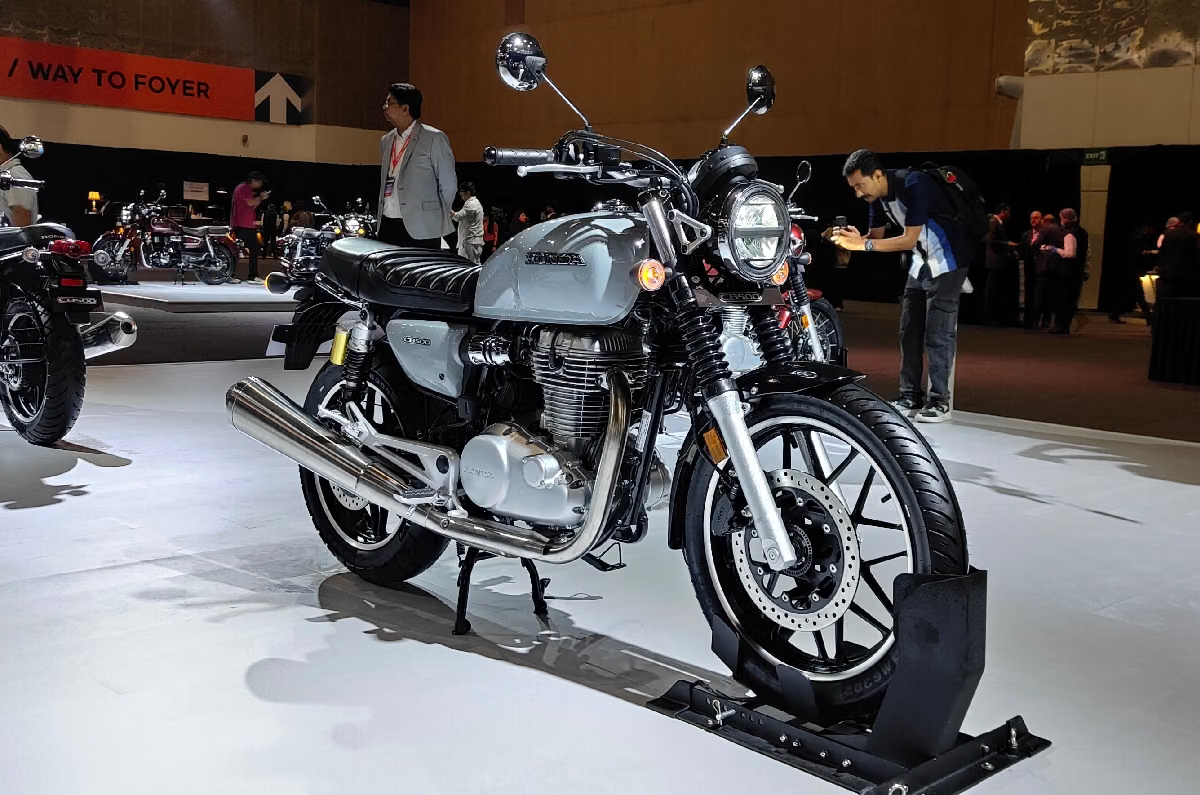
You can bet your bottom dollar that the big players – Hero, Honda, TVS, Bajaj, and Royal Enfield – will have plenty up their sleeves. Hero and Bajaj are likely to strengthen their premium commuter and entry-level performance segments, perhaps with new iterations of their popular Pulsar and Xtreme lineups, or even brand new platforms. Honda might bring in more global models adapted for India, and TVS will surely push the envelope with their Apache series, maybe even an electric one that truly stands out.
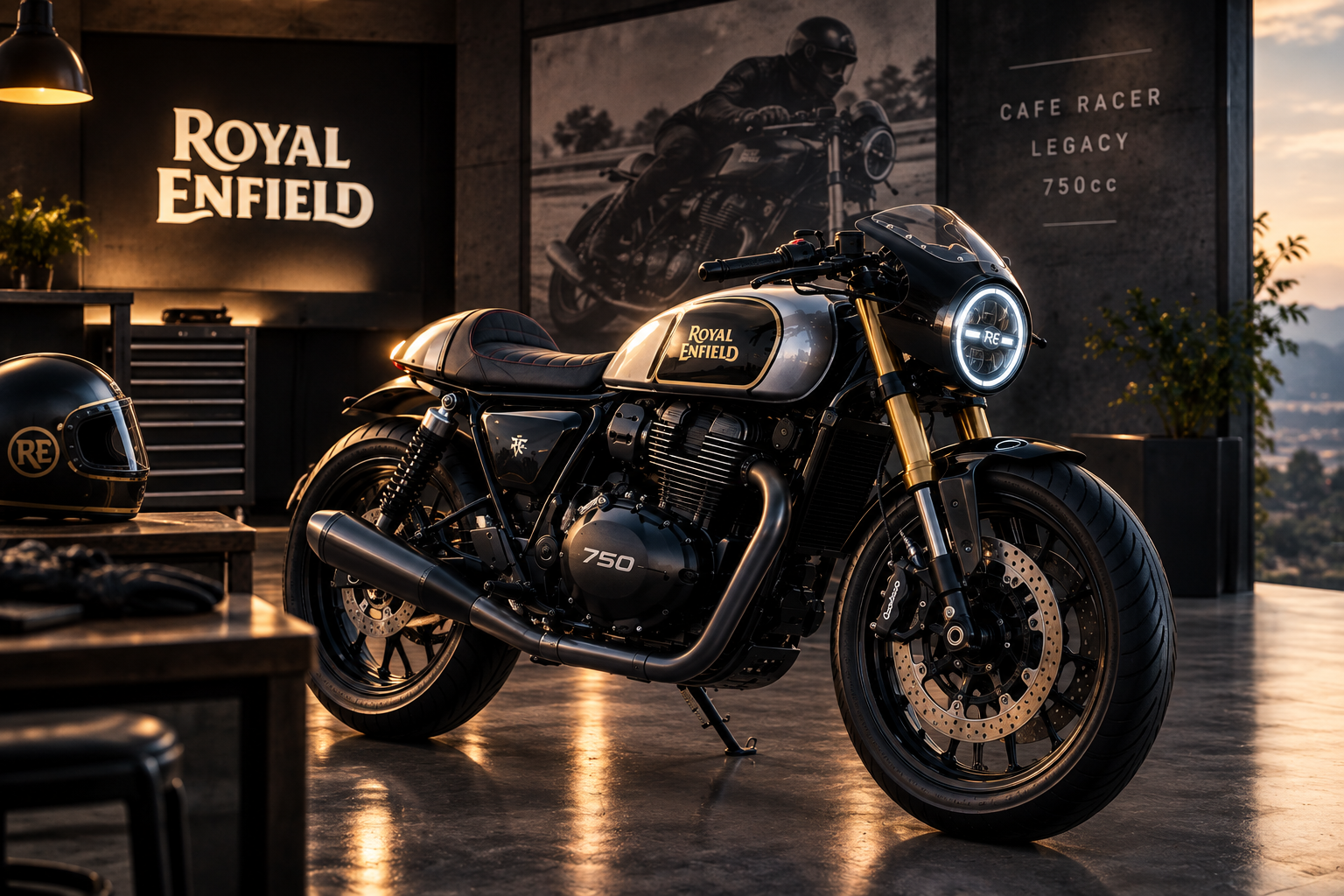
Royal Enfield, of course, will continue to dominate the mid-segment. We could see updates to existing platforms or entirely new models in the 450-650cc range, possibly even a scrambler or an ADV based on their new J-series engine. But here's the thing — don't count out the international brands like KTM, Yamaha, and Suzuki either. They'll be bringing their A-game to compete in the performance segments, perhaps with more accessible models or even advanced tech like quickshifters filtering down to lower capacities. Plus, don't forget the newer EV startups who will have had a couple more years to refine their products and expand their networks.
Specs At A Glance
Since we're talking about bikes quite a bit into the future, specific model specs are still under wraps. However, we can anticipate certain trends in different segments.
Segment (Expected) | Engine Type (Likely) | Capacity/Power (Anticipated) | Typical Features (Expected) |
|---|---|---|---|
Premium Commuter | Petrol, Air/Oil-cooled | 150-200cc, 13-18hp | Dual-channel ABS, Digital Console, Bluetooth, LED lighting |
Entry-Performance | Petrol, Liquid-cooled | 250-400cc, 25-45hp | USD Forks, Slipper Clutch, Ride Modes, Traction Control |
Mid-Capacity Cruiser/ADV | Petrol, Air/Oil-cooled | 350-650cc, 20-45hp | Dual-channel ABS, Tripper Navigation, Long-travel suspension |
Electric Scooter/Motorcycle | PMSM Motor, Lithium-ion Battery | 3-6 kWh Battery, 80-150 km Real Range | Fast Charging, Connectivity Suite, Regenerative Braking |
Adventure Tourer | Petrol, Liquid-cooled | 300-450cc, 30-40hp | Long-travel suspension, Switchable ABS, Spoke wheels |
How Does It Stack Up Against The Competition?
Any new bike launching in H2 2026 won't have it easy. The competition is already fierce and will only get tougher. For instance, any new 160-200cc premium commuter will have to go head-to-head with established giants like the TVS Apache RTR 160/200, Bajaj Pulsar NS/N series, and Hero Xtreme models. It's not enough to just offer good mileage; riders want features, refinement, and a bit of street cred. New bikes will need to bring something genuinely fresh to the table, be it segment-first features, class-leading performance, or an unbeatable price-to-value proposition.
In the 350-450cc segment, especially cruisers and ADVs, Royal Enfield's dominance is huge. Any new entrant here, whether from a domestic or international brand, will need to offer a compelling alternative in terms of power delivery, handling, and comfort. We're talking about taking on the Classic 350, Hunter 350, or even the Himalayan 450. For electric two-wheelers, the battle will be about range anxiety, charging speeds, and a reliable service network. Ola, Ather, and TVS iQube are already setting high benchmarks; new players will need to surpass them, or at least match them at a more attractive price point.
The Good And The Not-So-Good
What We Like
- More Choices: A wider array of bikes across segments means more options for every type of rider and budget.
- Technological Advancements: Expecting better safety features like advanced ABS, traction control, and improved connectivity.
- Electric Push: More practical and higher-performance EVs are always a welcome sight, especially with rising fuel costs.
- Design Evolution: Manufacturers are getting bolder with styling, which is great for aesthetic-focused buyers.
What Could Be Better
- Pricing: New tech and premium positioning usually mean higher prices. We hope brands keep Indian pockets in mind.
- Infrastructure: For EVs, charging infrastructure needs to grow significantly to truly support mass adoption.
- Availability of Spares: Sometimes, brand-new models face initial hiccups with spare part availability and service network reach.
- Over-reliance on Tech: While features are good, sometimes robust mechanicals take a backseat to flashy screens.
Price & When You Can Buy It
Official pricing for these July-December 2026 launches, naturally, is a long way off. However, based on current market trends and expected segment entries, we can anticipate new premium commuters to fall in the ₹1.3–2 lakh range. Performance-oriented bikes could start from around ₹2.5 lakh and go up to ₹4.5 lakh. Electric offerings will vary wildly depending on battery size and performance, likely ranging from ₹1.5 lakh for scooters to ₹3-5 lakh for motorcycles.
As for when you can buy them, well, the latter half of 2026 is the target window. Expect pre-bookings to open a few months before, and deliveries to start post-launch. Keep your eyes peeled on CarBikeGPT.com; we'll bring you all the juicy details as they emerge, from spy shots to official announcements. We'll be the first ones riding them, you can bet on that!
Our Verdict
Honestly, looking at the potential lineup for H2 2026, it's clear the Indian two-wheeler market is maturing rapidly. We're moving beyond just mileage and basic functionality. Riders are demanding more, and manufacturers are responding with better products, more tech, and diverse options. While it's still early days for specific model details, the overarching trend points towards a more exciting, safer, and perhaps greener future for Indian bikers. In my opinion, this emphasis on premium features and robust electric options is exactly what the market needs to grow and evolve.