What's The Big News?
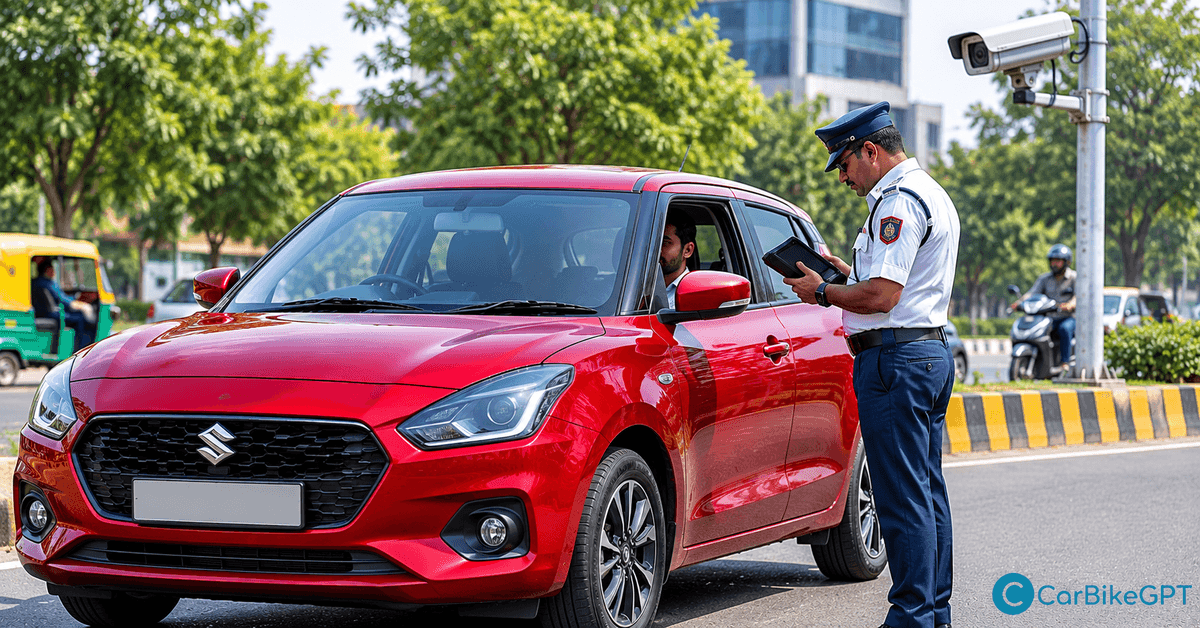
Alright, folks, Arman here, and we've got something huge bubbling up that's gonna change how you think about driving on Indian roads. For years, driving without valid insurance was like playing a game of chance, wasn't it? A traffic cop at a nakabandi would ask for your papers, you'd fumble through the glove box, maybe show an old policy, or even try to sweet talk your way out of it.
Well, those days? They're pretty much over. The government’s been quietly working to link up Vahan, our national vehicle registry, with all the insurance companies' databases in real-time. What this means is, when a cop pulls you over, they don't even need to ask for a paper policy anymore. They'll know instantly if your vehicle is insured or not. Yes, really, it’s that big of a shift!
Goodbye Paper, Hello Digital: The Vahan-Insurance Link-Up
Remember how you'd submit your RC book and other documents to the RTO? That data goes into Vahan, which is basically a massive digital library of every registered vehicle in India. For a long time, though, your insurance details weren't consistently or instantly updated there. Insurance companies had their own registries, and getting those two talking in real-time was a bureaucratic nightmare.
But they've cracked it. Now, the moment you buy or renew your motor insurance, that information is pushed almost instantly to a central database that Vahan can access. Imagine a cop with a handheld device, punching in your vehicle's registration number. Boom! Your entire insurance status – active, expired, policy number, insurer – pops right up on their screen. It's like magic, but it’s actually just smart tech finally doing its job. This isn't just about catching defaulters; it’s about making the entire process seamless and transparent. No more "Sir, my papers are at home!" excuses will fly.
Why This Matters To YOU, The Indian Driver
Here's the thing — this isn't just about making the cops' lives easier; it's got massive implications for every single driver and rider in India. First off, if you're one of the honest folks who always keeps their insurance updated, you'll actually benefit. Traffic stops could become quicker, with less fumbling around for documents. It's a small convenience, but every little bit helps in our bustling cities.
More importantly, it’s a huge deterrent for those driving uninsured. We all know that uninsured vehicles are a menace. In an accident, if the fault lies with an uninsured vehicle, the victim often faces immense financial hardship. This new system drastically reduces the chances of someone getting away with driving without valid third-party insurance, which is mandatory by law. It means safer roads for everyone, at least in theory. The fewer uninsured vehicles on the road, the better for all of us, especially since our roads aren't exactly known for their safety records. Of course, there's always the question of how smoothly this will roll out across every single district, but the intent is clear.
How the System Works: Key Points
Since we're not talking about a car here, "specs" means the key functional aspects of this new digital integration. Think of these as the technical specs of the system itself.
Advertisement
Feature | Detail |
|---|---|
System Integration | Vahan (MoRTH) & Insurance Regulatory and Development Authority of India (IRDAI) database link-up. |
Data Flow | Real-time updates from insurance companies to a central repository, accessible via Vahan. |
Verification Method | Traffic enforcement uses handheld devices/apps linked to Vahan for instant policy status checks. |
Compliance Target | Mandatory third-party motor insurance. |
Implementation Scope | Pan-India, aiming for widespread adoption across all states/UTs. |
Old Ways vs. New Tech: The Real Comparison
Forget comparing it to a competitor car; let's compare this to the old way of doing things. The 'competition' here was the manual, paper-based verification system, which, frankly, was a bit of a joke sometimes. You'd have cops physically inspecting paper documents, which were often outdated, sometimes fake, or simply not available. It led to delays, arguments, and let's be honest, opportunities for things that weren't exactly by-the-book.
This digital integration is like upgrading from a Maruti 800 (no offense, it served its purpose!) to a modern, connected SUV. With the old system, identifying an uninsured vehicle after an accident was a nightmare, often involving lengthy legal battles. Now, with instant verification, the enforcement is proactive. It’s also similar to how FASTag has streamlined toll payments, reducing queues and human intervention. While FASTag focused on tolls, this targets compliance, but the underlying digital shift is the same: making things faster, more transparent, and less prone to human error or manipulation.
The Good And The Not-So-Good
What We Like
- Instant Verification: No more fumbling for papers. Cops get real-time data, making checks quicker and more efficient.
- Reduced Corruption: Less room for negotiation or showing fake documents when the data is digitally verified.
- Safer Roads: A strong deterrent for uninsured vehicles means better protection for accident victims and potentially safer driving habits.
- Enhanced Transparency: Clearer records for everyone involved, from enforcement to insurance companies.
- Convenience for Compliant Drivers: Faster traffic stops and less hassle for those who always follow the rules.
What Could Be Better
- Implementation Challenges: Rolling this out seamlessly across all states, especially in remote areas with patchy network, won't be easy.
- Data Accuracy: Ensuring all insurance companies consistently and accurately update their data in real-time is crucial. Any lag or error could lead to false positives.
- Digital Divide: Some drivers, especially in rural areas, might still struggle with digital processes if they're forced to interact with the system without proper support.
- Data Security & Privacy: With so much personal and vehicle data linked, robust security measures are paramount to prevent misuse or breaches.
- Training for Enforcement: Cops need proper training on the new devices and system to ensure effective and fair enforcement.
Cost to the Public & Implementation Timeline
Okay, so you're not 'buying' this system like a new car, but it definitely has an impact on your wallet. For one, if you've been skipping on insurance, you'll now be caught, and the penalties for driving without mandatory third-party insurance are steep – we're talking fines of ₹2,000 for the first offense and ₹4,000 for subsequent ones, plus potential legal action. So, the "cost" to you is ensuring you're compliant, which, let's be honest, you should be doing anyway.
In terms of timeline, this integration has been a gradual rollout, with many states already having access to these real-time databases. It's not a "launch date" like a car, but rather an ongoing process of integration and refinement. The intent is clear: to have this system fully functional and universally adopted across all enforcement agencies sooner rather than later. There aren’t any specific official completion dates revealed, but it’s becoming more effective by the day.
Our Verdict
Look, this Vahan-insurance integration is a game-changer for motor vehicle compliance in India. It's a necessary step towards bringing more discipline and safety to our notoriously chaotic roads. While there will undoubtedly be teething troubles during the full rollout – like any massive digital project in India (think Aadhar or GST implementation) – the long-term benefits far outweigh the initial hiccups. It's going to make life a lot harder for those who think they can skirt the rules, and frankly, that's a good thing for everyone else.
Honestly, this move puts India's vehicle enforcement firmly in the 21st century, moving away from outdated paper checks. It's a robust system that demands compliance and fosters accountability. If you’ve been a responsible driver all along, you might not feel much difference beyond slightly quicker checks. But for the system as a whole, it's a huge leap forward. It won't solve all our road safety woes, but it's a very strong foundation for better enforcement and, hopefully, fewer tragedies.