What's The Big News?
Alright folks, buckle up! We've just crunched the numbers for August 2026, and if you thought electric scooters were a slow burn, think again. This segment has absolutely exploded, showing a mind-blowing 131.04% year-on-year growth. That's not just a bump; that's a full-blown revolution on two wheels!
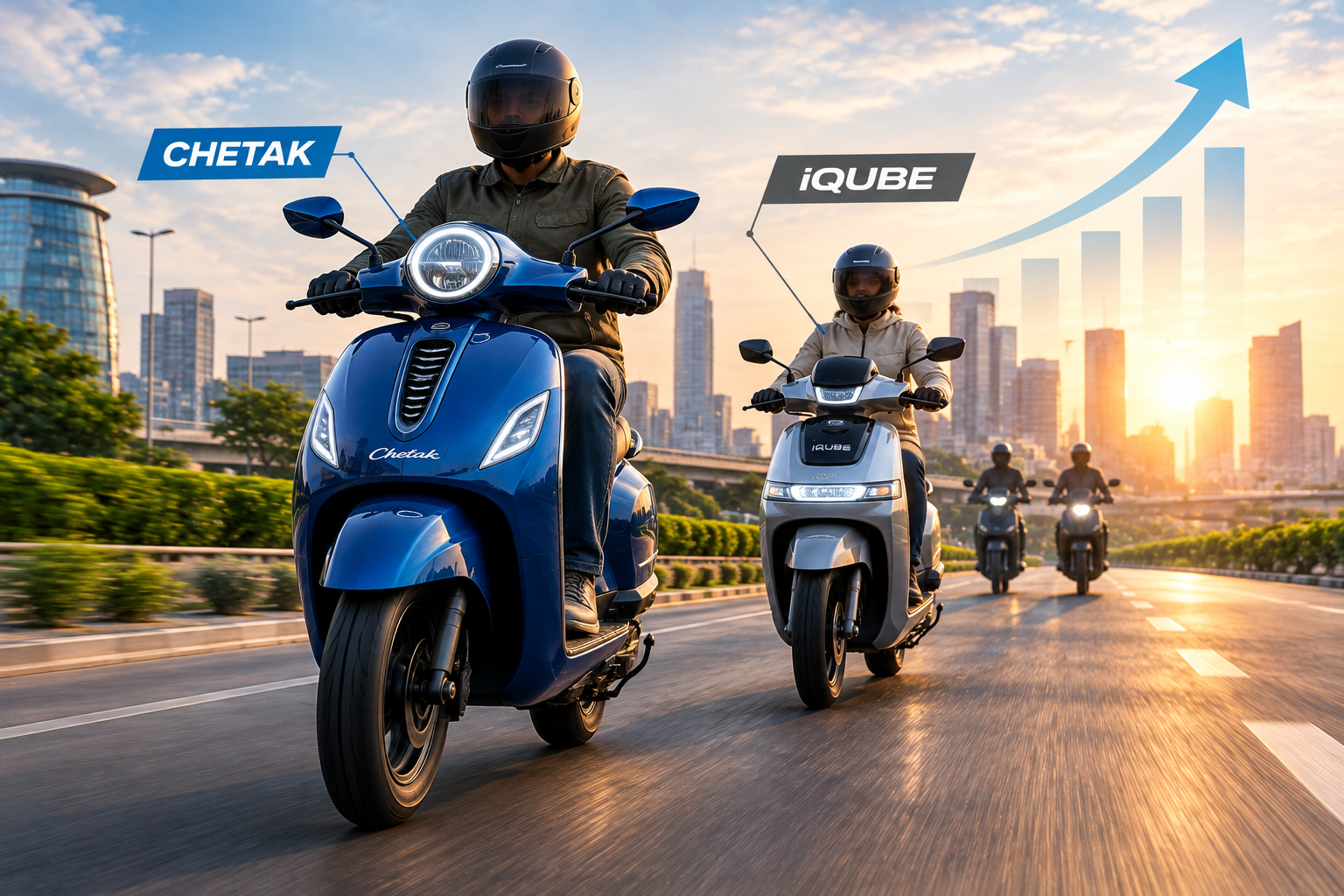
What's even more fascinating is who's leading this charge. Bajaj's Chetak and TVS's iQube aren't just doing well, they're dominating. Together, these two stalwarts have captured over half the total electric scooter sales in the country. It's a clear signal that Indian buyers are now confidently embracing electric, and they're putting their trust in established names. This isn't just about reducing your fuel bill; it's about a complete shift in how we commute.
Chetak & iQube: The Undisputed Kings of the E-Scooter Market?
So, why are these two giants consistently outselling the competition? It isn't just about brand recognition, though that plays a massive part. Both Bajaj and TVS have invested heavily in their EV offerings, ensuring a product that's reliable, well-built, and backed by a robust service network. Think about it: when you're spending a lakh or more on a scooter, you want peace of mind, don't you? That's what these two deliver.
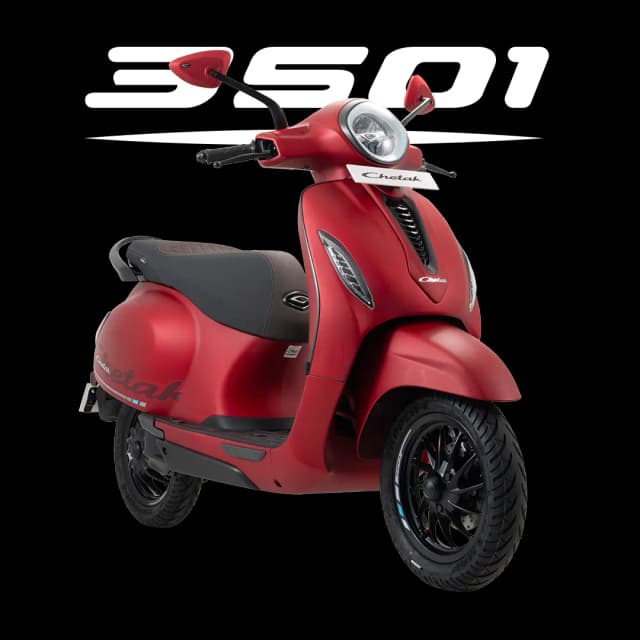
The Chetak, with its neo-retro styling and solid build, feels premium. It doesn't scream 'futuristic EV' but rather 'classic scooter, electric heart'. This design philosophy really resonates with a lot of Indian buyers who appreciate familiarity but want modern tech. On the other hand, the TVS iQube has always been about practicality and smart features, offering a smooth ride and decent range for daily commutes. It’s got a more modern, understated look that appeals to a different set of buyers. Both have evolved with better battery tech, improved range, and smarter connectivity features over the years, listening to what consumers actually want (and honestly, it shows).
The Rest of the Pack: Who's Gaining Ground?
While Chetak and iQube are clearly the front-runners, the race isn't over. Names like Ather's Vida, TVS's new Rizta, and offerings from more niche players like Orbiter, Magnus, and Indie are all fighting for their slice of the pie. The Vida, for instance, aims to bring Ather's tech prowess to a slightly more accessible price point, which is a smart move. The Rizta is TVS's play for the family scooter segment, a critical volume driver in India, and it’s been designed specifically for that purpose.
Newer entrants and smaller players often bring innovative features, aggressive pricing, or unique designs to stand out. They might not have the massive dealer networks of Bajaj or TVS yet, but they're pushing the boundaries. The challenge for them is not just selling units but also building trust, ensuring quality, and setting up a reliable service infrastructure across the country. That's a tall order, especially when you're up against the legacy players who've had decades to perfect their logistics.
Specs At A Glance
Feature | Details (Varies by Model) |
|---|---|
Range | Expected to be between 80-150 km (IDC) |
Top Speed | Likely 60-85 km/h |
Charging Time | Typically 4-6 hours (0-80%) |
Battery Type | Lithium-ion |
Motor Power | Generally 2.5 kW to 4.5 kW peak |
Ride Modes | Eco, Ride, Sport (common) |
Connectivity | Smartphone integration, turn-by-turn navigation (on premium models) |
Brakes | Front disc, rear drum or disc with CBS/ABS (model dependent) |
Note: Specific specs for each model mentioned vary significantly. Please refer to individual product pages for the most accurate and up-to-date details. No new, specific technical specifications were revealed in the latest sales report.
How Does It Stack Up Against The Competition?
When you look at the electric scooter market, it's a tale of two halves. On one side, you have the established players like Chetak and iQube, leveraging their brand loyalty, extensive dealer networks, and manufacturing muscle. Their biggest advantage is buyer confidence – people know they're buying into a proven ecosystem. They might not always have the absolute cutting-edge features of some startups, but they offer reliability and serviceability that's hard to beat.
On the other side, you've got the agile, tech-focused startups and newer brands. They often come with more aggressive designs, advanced connectivity, and sometimes better performance figures for the price. The challenge for them is convincing the average Indian buyer that their product is reliable for the long haul and that spare parts and service won't be an issue down the line. It's a tough battle, especially when you consider that for many, a scooter is their primary mode of transport. Building that trust takes time, and consistent post-sales support is key.
The Good And The Not-So-Good
What We Like
- Massive year-on-year growth clearly shows increasing consumer adoption of EVs.
- Strong performance from established brands like Bajaj and TVS instills confidence.
- Wider variety of options available, catering to different price points and needs.
- Continuous innovation in battery tech and features across the segment.
- Reduced running costs compared to petrol scooters, a big plus for daily commuters.
What Could Be Better
- Charging infrastructure still needs significant expansion, especially outside metros.
- Price accessibility for the absolute budget segment remains a challenge without subsidies.
- Quality and service consistency across all smaller, newer brands needs improvement.
- Range anxiety is still a concern for many potential buyers, even with improved battery tech.
Price & When You Can Buy It
The electric scooters mentioned, and the segment in general, are readily available across India. Pricing varies significantly, typically starting from around ₹90,000 and going up to ₹1.60 lakh, ex-showroom. These figures are, of course, subject to government subsidies, which can differ from state to state. Your final on-road price will include RTO, insurance, and any specific state-level incentives.
As for availability, you can walk into any Bajaj or TVS dealership and test ride a Chetak or iQube today. For brands like Vida or other newer players, checking their official websites for dealer locations or direct-to-consumer sales models is the best bet. There aren't any specific new launches being discussed here, but rather a look at the current market performance.
Our Verdict
Look, the numbers for August 2026 don't lie. India's electric scooter market isn't just growing; it's thriving, led by the familiar names that have earned trust over decades. The sheer volume that Chetak and iQube are moving proves that Indian buyers are ready for electric, provided the product is reliable and the brand stands behind it. It's a fantastic sign for the future of mobility in our country.
While the established players hold their ground, the competition from new entrants means we, as consumers, get better and better products with more features and improved performance. Honestly, the sheer pace of innovation and adoption in this segment is something to behold. For anyone on the fence about going electric for their next scooter, now's a great time to jump in. The market is maturing, the options are plentiful, and the benefits are becoming clearer with every passing month.