The proposed India–European Union Free Trade Agreement (FTA is once again in the spotlight, and this time, the automobile sector is at the centre of the discussion. One of the key questions being asked is whether the deal could make European luxury cars more accessible to Indian buyers.
At its core, the India–EU FTA aims to reduce trade barriers between the two regions. This includes lowering tariffs, simplifying regulations, and improving access for goods and services. For the auto industry, the biggest talking point is the possible reduction in import duties on cars and automotive components sourced from Europe.
Currently, India imposes import duties of up to 100 percent on fully built imported vehicles. Under the proposed agreement, these duties may be reduced gradually rather than through an immediate cut. The government is reportedly considering safeguards such as minimum price thresholds, volume limits, or commitments to local manufacturing. Electric vehicles are also a major part of the negotiations, with the EU keen on easier access for its EV brands in India.
For Indian consumers, the agreement could lead to lower prices on premium and luxury cars, especially niche or low-volume models that are fully imported. The industry could also benefit from greater access to advanced technology, safety features, and modern EV platforms.
However, India is taking a cautious approach. Policymakers want to ensure that lower import duties do not weaken domestic manufacturing or discourage global carmakers from setting up or expanding production facilities in the country.
Negotiations for the India–EU FTA first began in 2007 but were paused in 2013 due to differences over tariffs and regulations. Talks resumed in 2022 and are still ongoing, with automobiles remaining one of the most sensitive areas.
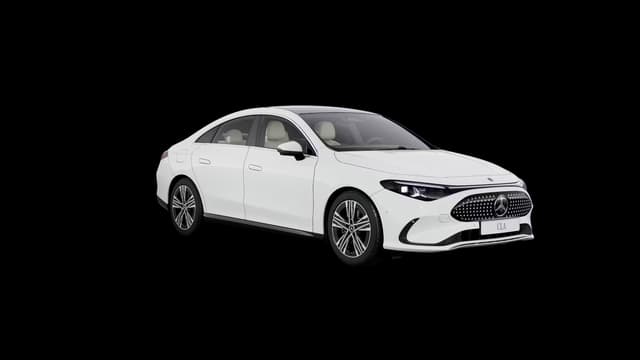
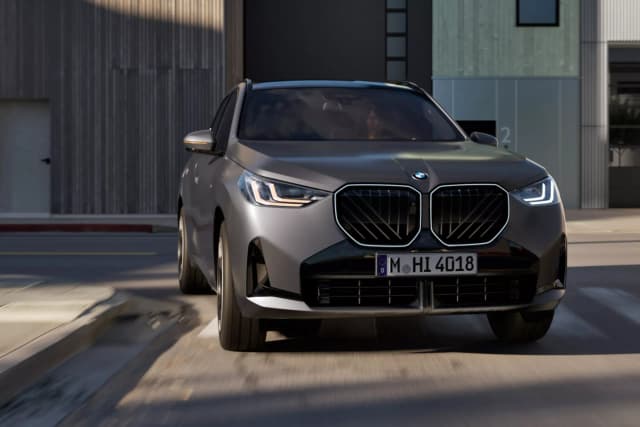
If finalised, European brands such as Mercedes-Benz, BMW, Audi, Volvo, and Volkswagen Group brands could benefit the most. Fully imported luxury cars and EVs may see noticeable price corrections, while mass-market models are likely to see limited impact. Ultimately, the final outcome will depend on how the agreement balances affordability with long-term industry growth.