What's The Big News?
Petrol prices are, let's be honest, hitting the roof right now. Add to that the E20 fuel situation, and suddenly, everyone's seriously thinking about making the switch to electric. It makes sense, doesn't it? Lower running costs, less pollution, and thankfully, the charging infrastructure, while still needing work, is slowly but surely getting better in our major cities. People are looking for sensible alternatives, and manufacturers are finally paying attention.
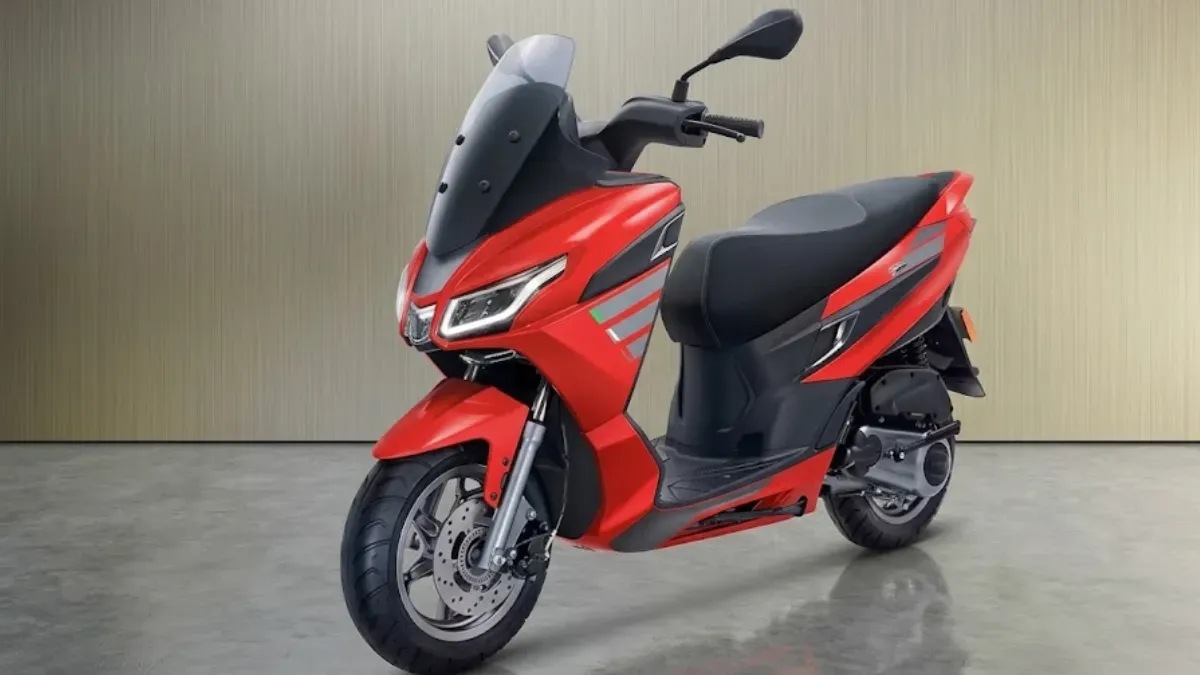
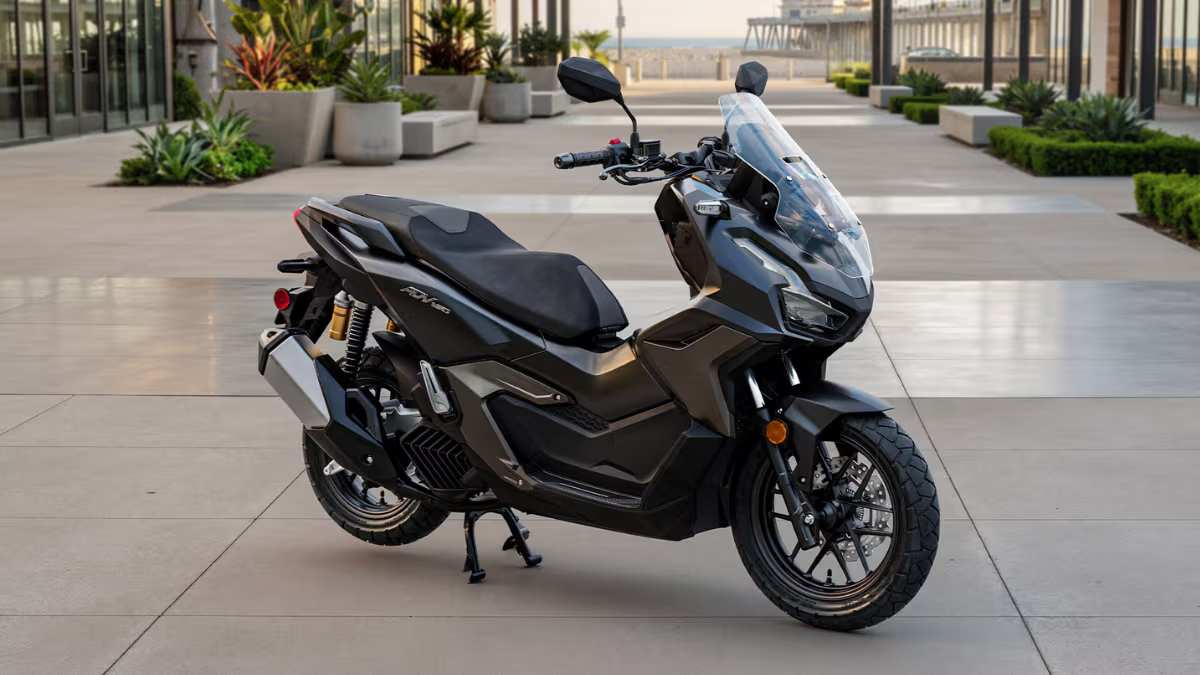
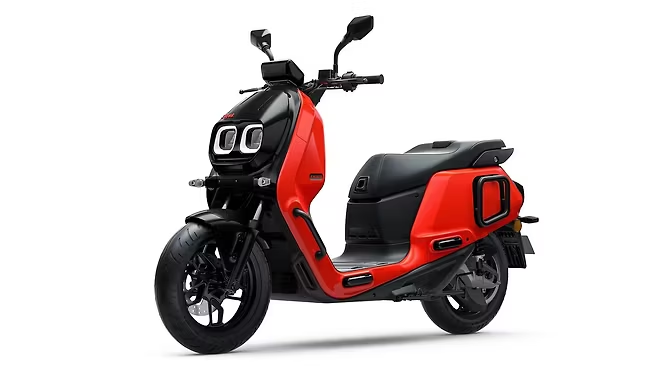
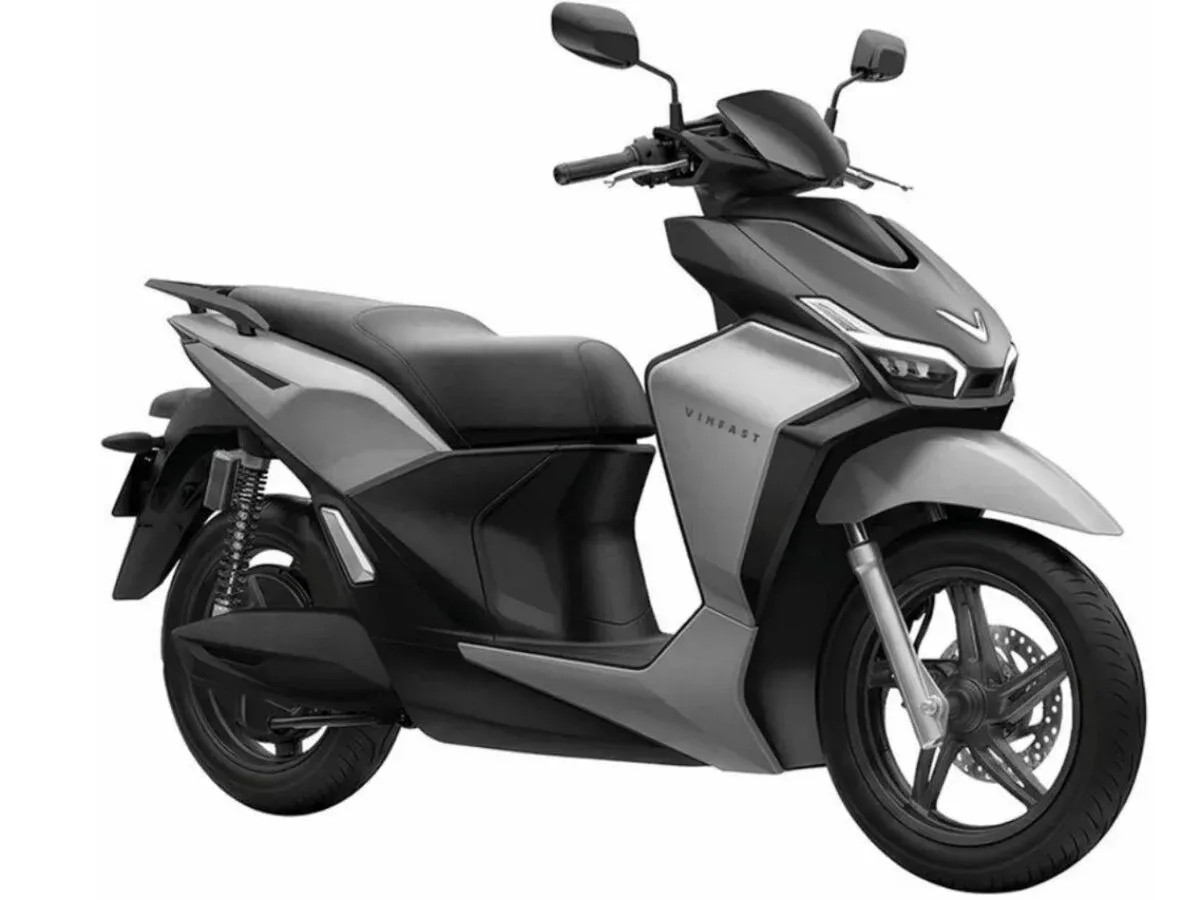
And guess what? The big players aren't just watching from the sidelines anymore. We've got confirmed whispers that at least four new electric scooters are headed our way in the next three to four months. That's a serious influx of fresh metal, and it's going to shake up the entire EV two-wheeler scene. Frankly, it's about time we had more choices that truly cater to the Indian rider's needs and pockets!
The Electric Scooter Gold Rush: Why Now?
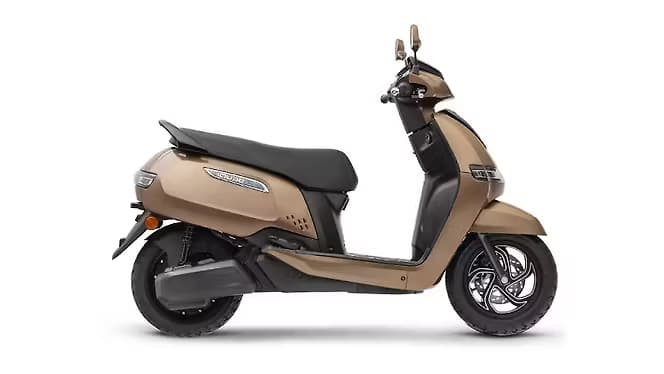
This isn't just a coincidence, folks. The surge in new electric scooter launches is a direct response to a few key factors. For one, the initial skepticism around EVs is fading. People have seen models like the Ather, Ola, and TVS iQube on the road, proving that electric two-wheelers are capable, reliable, and practical for daily commutes. The fear of range anxiety is slowly being addressed with improving battery tech and more charging options.
Plus, let's not forget the technological leaps. Batteries are getting denser, motors are becoming more efficient, and the connectivity features we now expect in our cars are making their way to scooters too. Manufacturers see the writing on the wall: the electric two-wheeler market isn't a niche anymore; it's going mainstream. They can't afford to miss out on this growing pie, especially when the government is pushing for electrification and offering various incentives, even if they sometimes feel a bit inconsistent.
What Can We Expect From These New Rides?
While specific model names and exact details are still under wraps – typical manufacturer secrecy, isn't it? – we can definitely predict the kind of offerings coming our way. Expect a healthy mix: some scooters will likely be aimed squarely at the daily commuter, focusing on robust build quality, practical range, and extreme reliability. Think of them as workhorses, designed to handle our sometimes-challenging road conditions and deliver low running costs.
Then, you'll probably see some models targeting the more premium segment. These will come loaded with features like advanced digital instrument clusters, better smartphone app integration, perhaps even turn-by-turn navigation, and faster charging capabilities. Some might even push the envelope on performance and offer a more spirited ride. Improved ergonomics and better suspension setups for our broken roads are also on our wishlist (and honestly, it shows when a brand pays attention to these details). Every brand wants a slice of the pie, so expect aggressive pricing strategies and feature lists designed to grab attention.
Specs At A Glance
Alright, folks, this is where it gets a bit fuzzy right now. While we know these four exciting new electric scooters are on their way, the brands are keeping most of the juicy technical details under tight wraps. As soon as official figures drop, we'll update this space. For now, here's a general idea of what specs we usually look at for new electric scooters:
Feature | Details (Expected/TBA) |
|---|---|
Expected Models/Brands | Details Awaited from leading manufacturers |
Battery Capacity | Likely ranging from 2.5 kWh to 4 kWh+ (TBA) |
Real-World Range | Expected between 80 km and 150 km per charge (TBA) |
Motor Power | From 3 kW (peak) for commuters to 6 kW+ (peak) for performance (TBA) |
Top Speed | Typically 60 km/h to 90 km/h (TBA) |
Charging Time | Standard AC: 4-6 hours; Fast Charging: 0-80% in 1-2 hours (TBA) |
Features | Digital Instrument Cluster, LED lighting, Smart connectivity, Navigation, OTA updates (TBA) |
Brakes | Front Disc, Rear Drum/Disc with CBS or ABS (TBA) |
How Do They Stack Up Against The Competition?
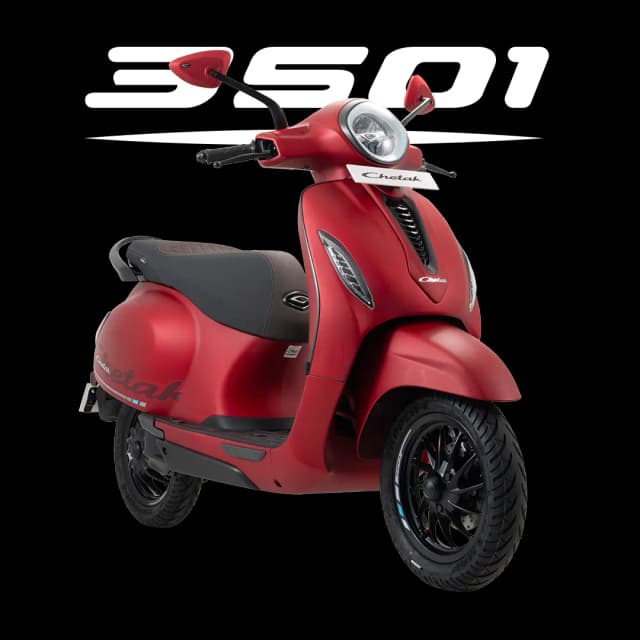
With established players like Ola Electric, Ather Energy, TVS iQube, and Bajaj Chetak already holding strong positions in the market, these new entrants won't have an easy ride. They'll need to offer something truly compelling to stand out. It's not enough to just be 'electric' anymore; you need a unique selling proposition, something that makes a rider choose you over a trusted rival.
We're hoping to see some solid improvements, especially in battery technology and charging solutions. Maybe a new scooter will challenge Ather's sporty performance, or Ola's extensive feature list, or even undercut the TVS iQube's accessible pricing. The battle for market share is going to be fierce, and that's fantastic news for us, the consumers. More competition generally means better products and more competitive pricing, which is exactly what the Indian buyer needs.
The Good And The Not-So-Good
What We Like
- More choice for consumers across various price points and segments.
- Increased competition will drive innovation and offer better value for money.
- Potential for advanced features, improved battery tech, and extended range.
- Reinforces India's commitment to electric mobility and sustainability.
- Helps significantly reduce running costs for daily commuters in the long run.
What Could Be Better
- Charging infrastructure still needs a massive and rapid boost, especially in Tier 2 and Tier 3 cities.
- Initial purchase cost for electric scooters can still be a hurdle for some buyers compared to petrol counterparts.
- Service network and spare parts availability for new models need to be robust from day one, which isn't always the case.
- Battery swapping standards are still evolving, which can create confusion and limit options for riders.
Price & When You Can Buy It
Specific pricing for these upcoming scooters is, as you might expect, still under wraps. Manufacturers usually save those big reveals for the official launch events. However, given the current market dynamics, and considering the brands involved, we're anticipating these models to range from the sub-₹1 lakh mark for the more commuter-focused options, potentially stretching up to ₹1.5 lakh or even more for premium, feature-rich offerings (all prices ex-showroom, of course).
As for availability, the launches are slated to happen over the next three to four months. So, keep your eyes peeled on CarBikeGPT.com for all the official announcements, detailed specs, and our first ride impressions!
Our Verdict
Look, the electric scooter segment in India is finally coming of age, and this wave of new launches is proof of that. It isn't just about adding more options; it's about validating the entire EV ecosystem, from manufacturing to charging infrastructure. It's a clear sign that manufacturers are serious about the shift, and Indian consumers are increasingly ready to make the switch from traditional petrol scooters.
Honestly, this increased competition is fantastic for us, the end-users. We're going to get more bang for our buck, better technology, and hopefully, more reliable vehicles tailored for our specific needs. It's an exciting time to be an Indian two-wheeler enthusiast, and we can't wait to get our hands on these new machines to tell you all about them!