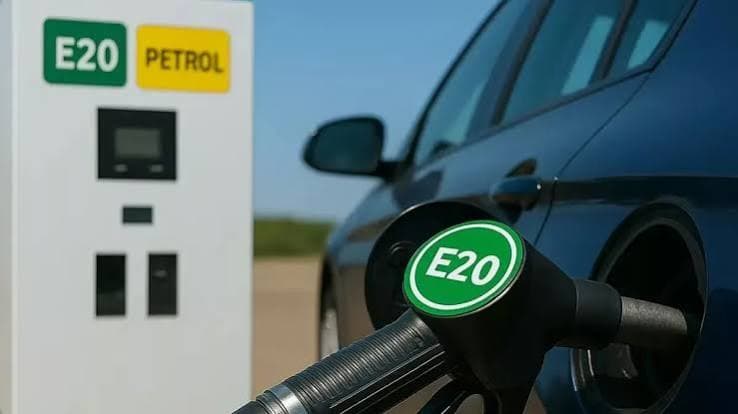
What's The Big News?
So, remember all that talk about E20 fuel and car compatibility? Well, it just got real, and Maruti Suzuki is right in the middle of it. A consumer commission in Raipur has passed a landmark order, telling India's largest carmaker to either replace a customer's vehicle or shell out more than ₹21.6 lakh (yes, really!), all because of issues linked to E20 fuel.
This isn't just some local spat; this ruling has massive implications, not just for Maruti, but for every single car buyer and manufacturer in India. It's about what brands promise and what they deliver, especially when new fuel standards come into play. It's a wake-up call, and honestly, it shows that consumer rights are finally getting some serious teeth.
E20 Fuel Compatibility Debacle: What Went Wrong?
For years, we've been hearing about the transition to E20 petrol – fuel with 20% ethanol blending. The government pushed for it, and manufacturers started rolling out 'E20 compliant' vehicles. But this case from Raipur highlights a critical gap: what happens when a car isn't compatible, or when the compatibility isn't as robust as advertised?
The consumer in question reportedly faced significant issues with their Maruti vehicle after using E20 fuel, which allegedly caused engine damage and other operational problems. Maruti's argument likely centered on the vehicle's design or fuel usage guidelines, but the commission clearly sided with the consumer. This implies a failure to either ensure proper E20 compatibility or adequately inform the buyer about potential risks. This isn't just about a broken part; it's about the trust placed in a brand.
The Consumer Commission's Stance & What It Means
This ruling isn't just about compensating one individual; it's a huge win for consumer confidence across the board. The commission's decision to order a replacement car or a substantial monetary payout (over ₹21.6 lakh, which is no small change for Maruti) sends a clear message: manufacturers are accountable for claims made about their vehicles, especially regarding compatibility with evolving fuel standards in India.
It establishes a precedent where car buyers, if they face issues due to fuel compatibility that wasn't properly communicated or guaranteed, now have strong legal recourse. This means brands can't just slap an 'E20 compliant' sticker and call it a day; they need to ensure their vehicles genuinely withstand the fuel's characteristics and inform buyers thoroughly. About time, Maruti, and others, took note.
Key Details from the Ruling
Given this news is about a consumer ruling, not a new car launch, traditional 'specs' aren't applicable. However, we can highlight the key details of the order itself, which are crucial for understanding its impact.
Detail | Information |
|---|---|
Case Origin | Raipur Consumer Commission |
Defendant | Maruti Suzuki India Ltd. |
Issue | E20 Fuel Compatibility Problems leading to vehicle damage |
Commission Order | Replace vehicle OR Pay over ₹21.6 Lakh |
Significance | Sets a major precedent for consumer protection in India's automotive sector |
Specific Car Model | Not publicly specified in the ruling details |
How Does It Stack Up Against The Competition?
This isn't a comparison of car models, but rather of industry practices and accountability. How does Maruti's situation here stack up against other manufacturers who've also been transitioning to E20 compatibility? Well, this ruling puts Maruti in a tough spot, being the first major brand publicly called out for an E20-related vehicle failure and ordered to compensate so substantially.
While other brands like Tata, Hyundai, and Mahindra have also been rolling out E20-compatible vehicles, this judgment might make them even more meticulous about testing and customer communication. It essentially raises the bar for everyone. Consumers will now be looking with a sharper eye at claims made by any manufacturer regarding new fuel standards and vehicle performance with them.
The Good And The Not-So-Good
What We Like
- Strong affirmation of consumer rights in the automotive sector.
- The Consumer Commission's decisive action against a major manufacturer.
- Potential for increased transparency and accountability from carmakers regarding fuel compatibility.
- A clear message that 'E20 compliant' isn't just a marketing term; it has real-world implications for car owners.
What Could Be Better
- The fact that such an issue had to escalate to a commission at all, suggesting initial corporate redressal was insufficient.
- Lack of clear, standardized information for consumers about E20 compatibility across all older and newer vehicle models.
- The potential for other similar cases, indicating a wider problem that might affect many Indian car owners.
Price & When You Can Buy It
This isn't about buying a new car, but about the cost of a ruling and the potential 'cost' of ambiguity for carmakers. The commission has ordered Maruti Suzuki to pay over ₹21.6 lakh if they don't replace the vehicle. That's a hefty sum and highlights the financial burden manufacturers could face if they don't get E20 compatibility and customer communication absolutely right.
For consumers, this means more confidence that if something goes wrong with their E20-compatible vehicle due to fuel issues, they might have a strong case for significant compensation. It's a game-changer for how we perceive vehicle warranties and fuel standards going forward in India.
Our Verdict
Look, this Raipur Consumer Commission ruling is a massive moment for Indian car buyers. It reinforces the power of consumer courts and shows that even the biggest players in the industry aren't immune to accountability. It's a clear signal to all manufacturers: don't just talk about E20 compatibility; ensure it, and communicate any limitations transparently to your customers who save up for years.
Honestly, while it's unfortunate that a consumer had to go through such trouble, this verdict is a positive step towards better corporate responsibility and stronger consumer protection in our country's rapidly evolving automotive landscape. It means your hard-earned money and trust in a brand actually count for something when push comes to shove.