What's The Big News?
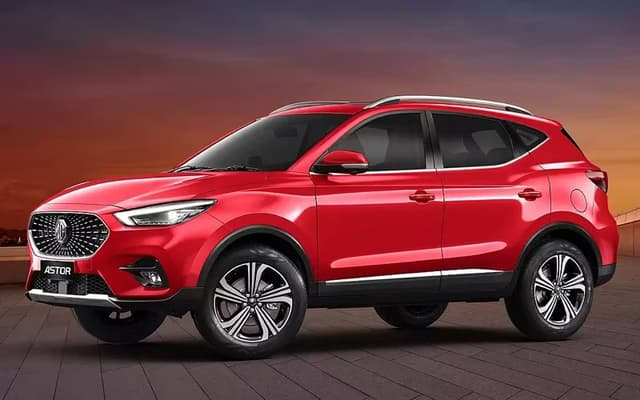
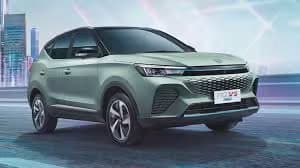
Well, here's a bit of news that might not surprise some of you who follow the market closely: MG Motor India has quietly pulled the plug on the Astor. Our dealer sources are confirming that the midsize SUV is no longer being produced or sold here. It’s a pretty significant development for a car that launched with quite a bit of tech hype back in 2021.
You see, the Astor was MG's big bet in the super-competitive midsize SUV segment, going head-to-head with giants like the Hyundai Creta and Kia Seltos. But despite its unique features and aggressive pricing initially, it just didn't manage to capture the hearts, or wallets, of enough Indian buyers. It’s a tough crowd out there, and clearly, the Astor couldn’t cut it in the long run.
Why Didn't The Astor Find Its Footing?
Honestly, the Indian car market is brutal, especially in the ₹10-20 lakh SUV space. Every major player wants a slice of that pie, and you've got to bring more than just good looks or a fancy gimmick. The Astor, to its credit, came with a rather appealing design, decent interiors, and a pretty comprehensive features list. It even boasted Level 2 ADAS capabilities and that quirky AI assistant, 'Savvy', which was a definite talking point (yes, really).
But here's the thing — while these features were impressive on paper, they didn't translate into compelling sales numbers. Perhaps buyers weren't ready to pay a premium for Level 2 ADAS in a midsize SUV, or maybe the AI assistant felt more like a novelty than a necessity. The competition, meanwhile, was relentless. The Creta and Seltos already had established brand loyalty and extensive service networks, not to mention refreshed models that kept them relevant. Even newer entrants like the Volkswagen Taigun and Skoda Kushaq, while not segment leaders, carved out their own niche with strong driving dynamics and European build quality. The Astor, in comparison, just seemed to get lost in the shuffle.
The AI Assistant and ADAS: Too Soon, Too Much?
One of the biggest selling points for the Astor was its suite of advanced tech. We're talking about a segment-first AI personal assistant on the dashboard and Level 2 ADAS features like adaptive cruise control, lane-keep assist, and automatic emergency braking. On paper, it sounded revolutionary for the price point. MG was clearly trying to differentiate itself by bringing premium tech down to the masses.
However, it seems this bold move might've been a double-edged sword. While some enthusiasts appreciated the cutting-edge tech, a larger chunk of the Indian audience still prioritizes core aspects like engine refinement, fuel efficiency, resale value, and a widespread service network over advanced driver aids they might not fully trust or understand yet. For many, the novelty of an AI assistant wore off quickly, and the ADAS features, while useful, often came with a perception of higher maintenance costs or complexity. It was a good attempt, but perhaps the market wasn't quite ready to pay for this level of AI and ADAS in a mainstream mid-segment SUV. It's a classic case of being ahead of its time, which isn't always a good thing in sales.
Specs At A Glance
Feature | Details (As Sold in India) |
|---|---|
Segment | Midsize SUV |
Seating Capacity | 5-seater |
Engine Options | Petrol (Naturally Aspirated & Turbo Petrol) |
Transmission Options | Manual & Automatic (CVT/TC) |
Key Features | AI Personal Assistant, Level 2 ADAS, Panoramic Sunroof, Digital Instrument Cluster, Touchscreen Infotainment |
Competitors | Hyundai Creta, Kia Seltos, Volkswagen Taigun, Skoda Kushaq |
How Does It Stack Up Against The Competition?
When the Astor entered the ring, it faced off against some heavyweights. The Hyundai Creta and Kia Seltos are the undisputed champions of this segment, offering a fantastic balance of features, engine options, and brand trust. They've got a massive service network and bulletproof resale value, which is crucial for Indian buyers.
Then you had the European twins, the Skoda Kushaq and VW Taigun, which brought solid build quality and excellent driving dynamics to the table. They appealed to a different set of buyers looking for a more robust driving experience. The Astor tried to carve its niche with technology and a slightly more premium interior feel than some of its rivals. But where it perhaps faltered was in offering that compelling all-round package that the market leaders provided. Its engine options, while adequate, didn't always feel as punchy or refined as some rivals, and the fuel efficiency figures weren't class-leading. Ultimately, the competition simply offered a more rounded and trust-worthy proposition for the average buyer, making the Astor a harder sell.
The Good And The Not-So-Good
What We Like
- Premium Design: The Astor always looked quite handsome, with a clean and sophisticated design.
- Feature-Packed Cabin: From the panoramic sunroof to the digital cluster, it offered a lot for the money.
- Advanced Tech: Level 2 ADAS and the AI assistant were segment-firsts and impressive.
- Comfortable Ride: It generally offered a plush and comfortable ride quality.
What Could Be Better
- Brand Perception: MG is still relatively new; trust and resale value are big concerns for buyers.
- Engine Performance: While adequate, the engines weren't always as exciting or efficient as rivals.
- Market Positioning: Struggled to define its unique value proposition against established players.
- Sales Network: Comparatively smaller network meant fewer touchpoints for potential buyers.
Price & When You Can Buy It
Well, this is the simple part: you can't buy a new MG Astor anymore. When it was on sale, pricing for the Astor typically started around ₹10 lakh and went up to about ₹18.69 lakh (ex-showroom) for the top-end variants. These prices were quite competitive, especially considering the tech it packed. However, with its discontinuation, your only option now would be to look at the used car market, where you might find some good deals if you're keen on its features. But remember, parts availability and long-term service support for a discontinued model can be a point of concern.
Our Verdict
It’s always a bit sad to see a car wave goodbye, especially one that tried so hard to innovate. The MG Astor had a lot going for it on paper – sharp looks, a comfortable cabin, and a genuinely impressive suite of tech features that were ahead of its time for the segment. But in the ruthless Indian market, good intentions aren't always enough to guarantee success.
Honestly, I think the Astor was a victim of a few things: fierce competition from deeply entrenched rivals, an audience perhaps not quite ready to shell out for advanced ADAS in a mainstream SUV, and the general challenge of building brand loyalty in a new market. It was a brave attempt by MG to push the envelope, but ultimately, it's a stark reminder that even with all the bells and whistles, sometimes the basics of brand trust, widespread service, and a truly compelling powertrain still win the day. Here's hoping MG learns from this and brings an even stronger contender next time around.