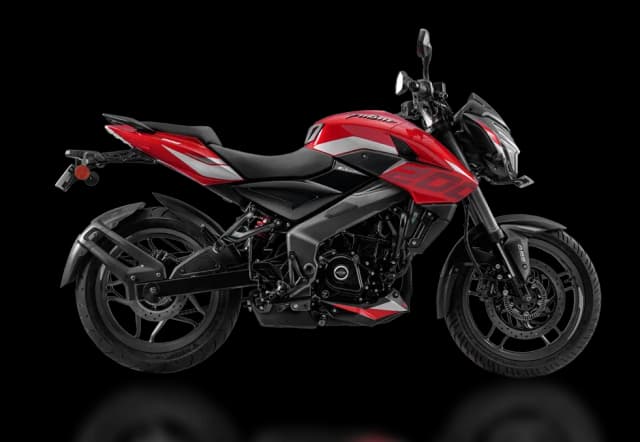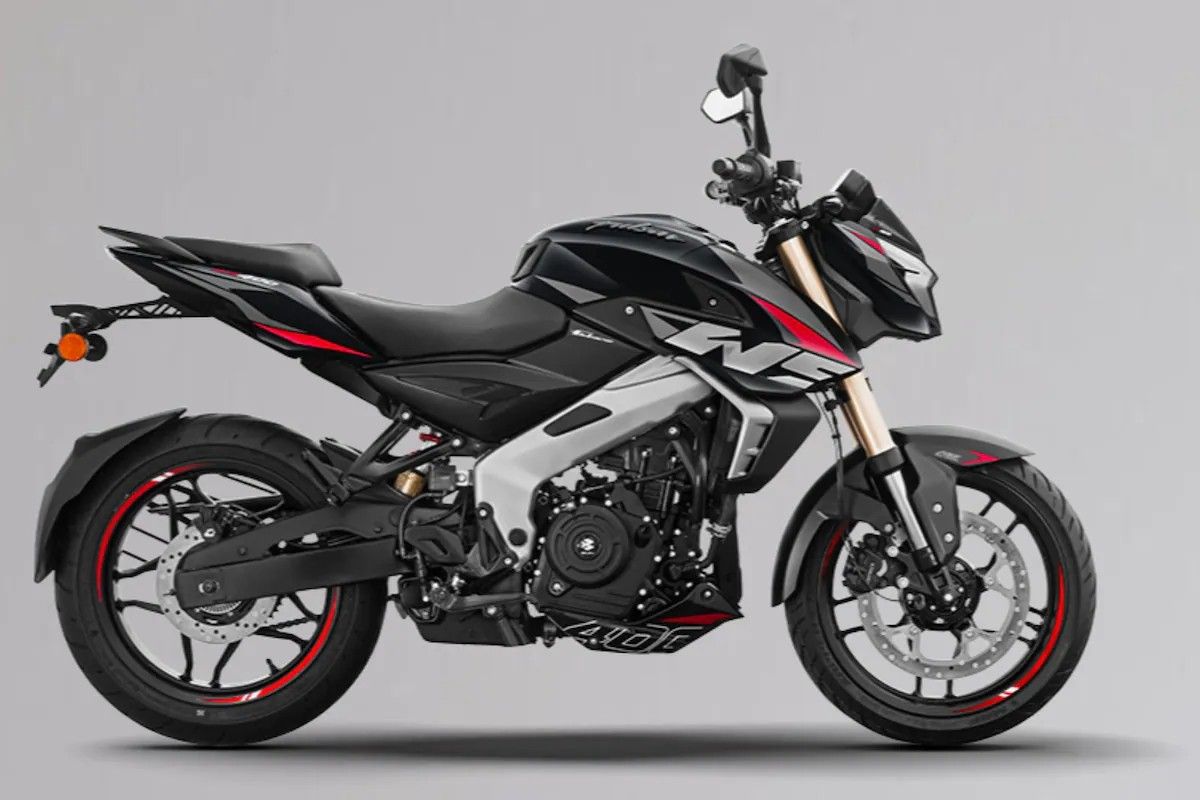
What's The Big News?
Remember back in 2001 when Bajaj dropped the original Pulsar 150 and 180? It completely changed how Indian youth looked at everyday motorcycling. Fast forward to today, and Chakan's favorite performance brand is knocking on the door of its 25th anniversary. To mark this quarter-century milestone, Bajaj is planning something huge — a brand-new, next-generation Pulsar model (yes, really).
This isn't just another color trim or graphics sticker job like we've seen a dozen times over the last decade. We're looking at a ground-up transformation aimed at recapturing that raw, unmistakable attitude for a fresh generation of college goers and corner-carvers. If you've been holding out on buying your next motorcycle, you might want to pause for a second.
Next-Gen Platform: What Bajaj Is Cooking Behind Closed Doors
Let's talk about what makes a Pulsar a true Pulsar. It has always been about offering big-bike muscle and punchy mid-range acceleration for the price of a sensible commuter. But over the last few years, rivals like TVS with their Apache series have slowly chipped away at Bajaj's stronghold in technology and sharpness. Bajaj knows this all too well (and honestly, it shows in their aggressive recent strategy).
For this 25th-anniversary machine, expect a completely refined frame chassis, sharper ergonomics, and powertrain tweaks evolved from their newer N and F series platforms. Bajaj won't settle for mild cosmetic polish here. They need a flagship statement bike that sits right at the top of the Pulsar family tree, pushing performance boundaries while keeping ownership costs sane for average Indian buyers who still calculate every kilometer per liter.
Features, Tech, And Design Language Shifts
If you've ridden the latest Pulsar N250 or NS400Z, you've seen where Bajaj's styling direction is heading. Sleek LED projector headlamps, muscular tank shrouds, and sharp tail sections are the new normal. However, this 25-year commemorative model is expected to take things up a notch with high-end features that Indian riders now demand as standard.
Think full-color TFT display consoles with smartphone connectivity, turn-by-turn navigation, multiple ride modes, and traction control. Features that were once reserved for expensive imported bikes are now mandatory if you want to compete against modern street-fighters. Bajaj wants to give you maximum feature density without making you break your fixed deposit savings.
Specs At A Glance
Parameter | Details |
|---|---|
Engine Type | Next-Gen Single-Cylinder, Liquid/Air-Oil Cooled (Expected) |
Displacement Class | Likely 200cc – 400cc Range (TBA) |
Transmission | 6-Speed with Assist & Slipper Clutch |
Display Console | Color TFT with Bluetooth & Navigation (Expected) |
Braking Tech | Dual-Channel ABS with Ride Modes |
Target Launch Window | Expected Late 2025 / Early 2026 |
How Does It Stack Up Against The Competition?
The sub-400cc motorcycle segment in India is a total bloodbath right now. TVS is firing on all cylinders with the Apache RTR series, offering race-tuned telemetry and class-leading electronic aids. On the other side, Hero is making aggressive moves with the Karizma XMR, while Yamaha's MT-15 continues to steal hearts among young buyers who prioritize sharp styling and nimble handling.
Where Bajaj usually wins the battle is pure performance per rupee. Better than what most rivals give you at this price bracket, a properly executed Pulsar combines accessible power with affordable spare parts. If Bajaj manages to price this anniversary generation smartly, they could disrupt the entire sport-naked segment all over again.
The Good And The Not-So-Good
What We Like
- Rich 25-year heritage backed by an all-new generation platform
- Expected heavy feature loading including modern TFT screens and electronics
- Bajaj's proven track record of top-tier value-for-money pricing
- Widespread service network making maintenance stress-free across India
What Could Be Better
- Risk of portfolio confusion with already crowded Pulsar N, F, and NS ranges
- Official mechanical specs and exact launch dates are still under wraps
Price & When You Can Buy It
Official launch dates and pricing details remain guarded for now, as Bajaj is keeping its cards tight against its chest. However, considering the original Pulsar debuted in late 2001, the 25th milestone officially hits in 2026. We expect official teasers and global reveals to begin towards late 2025 or early 2026.
Pricing will depend entirely on which displacement Bajaj selects for this flagship anniversary release. If it lands in the popular 200cc to 250cc segment, expect pricing around ₹1.50 lakh to ₹1.85 lakh (ex-showroom). Should Bajaj decide to go big with a high-capacity 400cc anniversary model, it could settle near the ₹2.00 lakh to ₹2.25 lakh mark.
Our Verdict
Here's the thing — the Pulsar isn't just another motorcycle badge in India; it's a rite of passage for millions of young riders who grew up dreaming of fast, aggressive street bikes.
Honestly, Bajaj can't afford to play it safe with a 25th-anniversary model. If they deliver genuine mechanical improvements, modern technology, and keep that signature Pulsar punch intact without overcharging, Indian enthusiasts are going to line up outside dealerships all over again.