What's The Big News?
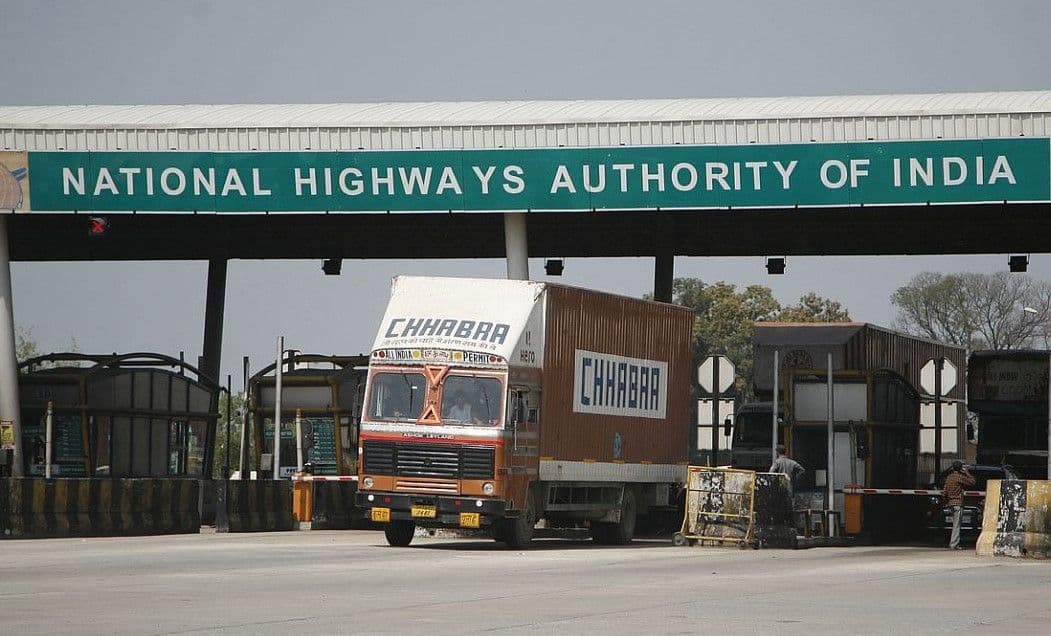
Heads up, drivers! The National Highways Authority of India (NHAI) just rolled out a pilot project in Delhi that’s going to change how we think about vehicle insurance on our national highways. Simply put, if you’re cruising through a toll plaza in the capital, the system might just flag you if your mandatory third-party motor insurance has expired. Yes, really.
This isn't just another government formality; it’s a direct digital check happening right at the toll booth. For years, we’ve relied on traffic cops for random checks or found out about expired insurance only after an accident. Now, NHAI wants to use the existing toll infrastructure to create an immediate alert system, making sure you’re always legally covered. It’s a pretty big deal, especially for the millions of vehicles on Indian roads that are currently running uninsured.
NHAI's New Eye At The Toll Gate: What It Means For Your Drive
So, how’s this going to work, you ask? Picture this: you approach a toll booth, your vehicle’s number plate gets scanned by ANPR (Automatic Number Plate Recognition) cameras, and that data is instantly cross-referenced with the national insurance database. If your third-party insurance has lapsed, you'll likely get an alert right there on the spot. Now, during this pilot phase, the intent isn't to immediately hit you with a fine or stop you from proceeding.
Instead, it’s about giving you a heads-up, a gentle nudge, or perhaps a not-so-gentle reminder, that your legal cover is missing. Think of it as an early warning system. But make no mistake, this alert is a formal notification, and ignoring it won't be wise. The bigger picture here is compliance. Too many vehicles on our roads are uninsured, and when an accident happens, the victims often face immense difficulties getting compensation. This move aims to plug that gap, making sure every vehicle has at least the basic third-party cover.
For us enthusiasts who care about our machines, keeping insurance updated is usually a no-brainer. But for many, it often slips the mind until it’s too late. This NHAI initiative brings that check right to your face, reducing the chances of you driving unknowingly without cover. It’s a proactive step, rather than a reactive one that waits for an accident to expose the lapse.
Beyond Just Fines: The Bigger Picture Of Road Safety
Let's be clear: this isn't just about catching defaulters. This is fundamentally about road safety and social responsibility. A significant portion of accident claims in India are either delayed or denied because the offending vehicle doesn't have valid third-party insurance. This leaves victims, often from economically weaker sections, in dire straits, battling for compensation they might never receive. An uninsured vehicle is a ticking time bomb, not just for its owner, but for everyone else on the road.
By implementing these checks at high-traffic points like toll plazas, NHAI is trying to create a systemic net. It’s an efficient way to cover a large volume of vehicles daily, something that manual police checks, as effective as they are, can't match in scale. This pilot in Delhi is likely just the beginning. If successful, you can bet your last rupee it’ll be rolled out across national highways nationwide. And honestly, it’s about time something this impactful was done to tackle the problem of uninsured vehicles.
It also sends a strong message: road safety isn’t just about speed limits and helmets; it’s also about ensuring financial responsibility. This initiative ties directly into the Motor Vehicles Act, 1988, which mandates third-party insurance for all vehicles. It’s a critical piece of the puzzle for a safer, more accountable transport ecosystem in India.
Key Details of the NHAI Initiative
Aspect | Detail |
|---|---|
Pilot Location | Delhi (Initial Phase) |
Purpose | To alert vehicle owners about expired mandatory third-party motor insurance at toll plazas. |
Technology Used | Likely ANPR (Automatic Number Plate Recognition) cameras integrated with national insurance databases. |
Insurance Type Covered | Mandatory Third-Party Motor Insurance |
Immediate Action at Toll (Pilot) | Notification/Alert to the driver (not immediate stopping or fine, for now). |
Governing Body | National Highways Authority of India (NHAI) |
How This Stacks Up Against Current Enforcement
Think about how insurance compliance is usually enforced in India. You’ve got the traffic police conducting random checks, which are effective but sporadic. Then there are e-challans, often issued retroactively after an incident or based on camera footage, where the owner might only find out days later that their insurance has lapsed. These methods, while necessary, rely heavily on human intervention or after-the-fact detection.
What NHAI is doing here is a significant upgrade. It's real-time, systematic, and targeted at a major choke point – the toll plaza. Instead of relying on a human officer to manually verify documents (which can be prone to errors or, let's be honest, other issues), this system uses technology to automate the check. It's a much more efficient and transparent way to identify non-compliant vehicles on a mass scale. It means fewer chances of an uninsured vehicle slipping through the cracks on major highways.
This approach moves enforcement from a mostly reactive model to a more proactive one. It’s about prevention and immediate awareness, rather than just punishment. While the police will still have their role, this NHAI initiative adds a powerful, automated layer of checks that was sorely missing. It’s like adding another safety net, but this time, it’s digital and covers every vehicle that passes through.
The Good And The Not-So-Good
What We Like
- Increased Compliance: Directly addresses the huge problem of uninsured vehicles on Indian roads.
- Enhanced Road Safety: Reduces the financial burden on accident victims by ensuring more vehicles are covered.
- Tech-Driven Efficiency: Uses existing toll infrastructure and ANPR technology for automated, scalable checks.
- Proactive Approach: Offers real-time alerts, prompting drivers to renew insurance before a bigger issue arises.
- Reduced Manual Harassment: Minimises human interaction, potentially leading to a more transparent enforcement process.
What Could Be Better
- Clarity on Follow-Up: While it’s an alert now, clear guidelines on what happens after repeated alerts or non-compliance need to be established for future phases.
- Potential for Delays: If the system expands to include stopping or fining, it could lead to increased congestion at toll plazas.
- Data Integration Issues: Initial glitches with linking insurance databases and ANPR systems might occur, leading to false positives or negatives.
- Awareness Campaign: A robust public awareness campaign is crucial before a wider rollout to educate drivers on this new check.
What Happens Next & How You Prepare
Currently, this is a pilot project limited to Delhi, meaning NHAI is testing the waters, gathering data, and ironing out any kinks. We expect them to analyse the effectiveness and public response before considering a nationwide rollout. But make no mistake, if this pilot proves successful, similar systems will inevitably appear at toll plazas across the country. It’s too good an opportunity for systematic compliance to pass up.
So, what should you do as a responsible vehicle owner? Simple: don't wait for a warning at a toll booth. Make sure your third-party motor insurance is always up-to-date. Keep a digital copy on your phone or in your DigiLocker, alongside your other documents. Check your policy expiry date right now, if you’re unsure. This move isn't meant to penalise; it's meant to protect, and being prepared is your best defence against any potential hassle. Think of it as a friendly reminder from Arman: stay insured, stay safe.
Our Verdict
This NHAI pilot project, checking for expired insurance at toll plazas, is a significant, forward-thinking step. It leverages technology to address a critical issue plaguing our roads – the alarming number of uninsured vehicles. While some might see it as just another layer of checks, the benefits for road safety and victim compensation are immense. Honestly, while it might feel like another layer of scrutiny, this move by NHAI is a long overdue step towards bringing some much-needed discipline and accountability to our roads. It’s not just about avoiding a fine; it’s about driving responsibly and ensuring that in an unfortunate event, everyone involved has some form of recourse. We at CarBikeGPT.com applaud this initiative and hope for its smooth and successful nationwide implementation.