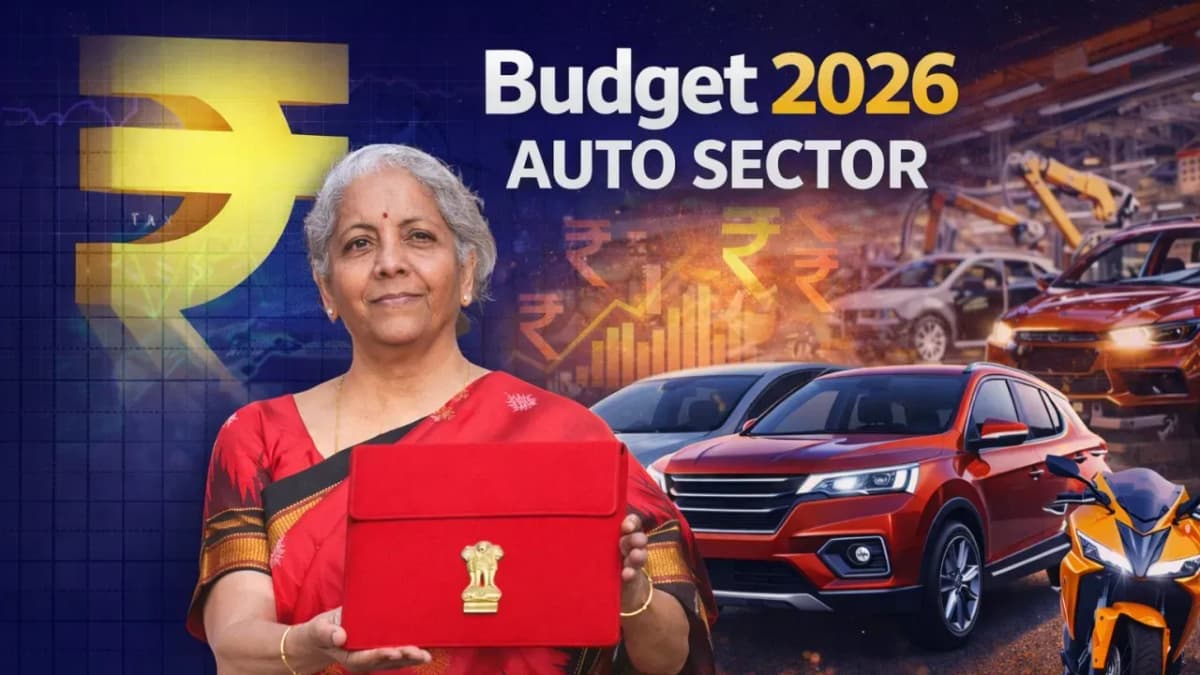
The automobile industry heads into the Union Budget 2026–27 with cautious optimism. The current financial year has already seen some positive developments, including revised GST rates on cars and the signing of free trade agreements with the UK and the European Union. These moves have helped lift sentiment across the sector. As Finance Minister Nirmala Sitharaman prepares to present the Budget on February 1, industry leaders have shared what they expect from the government in the coming year.
One of the key expectations is continued support for road and transport infrastructure. Executives believe higher budget allocations for highways and logistics will not only improve connectivity but also boost vehicle demand over the long term. There is also a strong push for policies that support domestic manufacturing, especially as India looks to strengthen its position as a global auto production hub.
Electric mobility remains a major focus area. According to industry leaders, rationalising duties on EV components is essential to support local production and make electric vehicles more affordable. Piyush Arora, MD and CEO of Skoda Auto Volkswagen India, highlighted the need to address the inverted duty structure for EVs, which currently impacts competitiveness. A renewed push on customs reforms could also help improve trade efficiency.
JSW MG Motor India’s MD, Anurag Mehrotra, echoed similar views, calling for stronger consumer-focused incentives to accelerate EV adoption. He also stressed the importance of localisation, which can help reduce costs and build a more resilient supply chain for electric vehicles.
Luxury carmakers are also watching the Budget closely. Audi India’s Brand Director, Balbir Singh Dhillon, said continued investment in road infrastructure and high-speed charging networks would be critical for the segment. Stable tax policies and a predictable long-term framework are also seen as important factors to encourage growth in the luxury car market.
Volvo Car India’s MD, Jyoti Malhotra, pointed to the need for well-calibrated incentives to attract global manufacturers investing in sustainable mobility. She believes rationalising duty structures, especially for EVs, could act as a strong growth driver.
Meanwhile, an EY report suggests the Budget may include updates on a unified EV super app under the PM E-Drive scheme. This app is expected to offer features like charger availability, slot booking, and payment integration. The report also indicates that EV charging equipment and battery recycling technology could be added to the PLI scheme. A possible GST cut on EV spares and repairs, along with concessions for component makers, is also being discussed.
Overall, the auto industry is hoping the Union Budget 2026–27 will build on recent momentum and support long-term, sustainable growth.