Rising geopolitical tensions between the United States and Iran are beginning to affect India’s automobile sector, especially as the industry moves into the final quarter of FY26. The situation is expected to increase production costs and reduce profit margins for automakers.
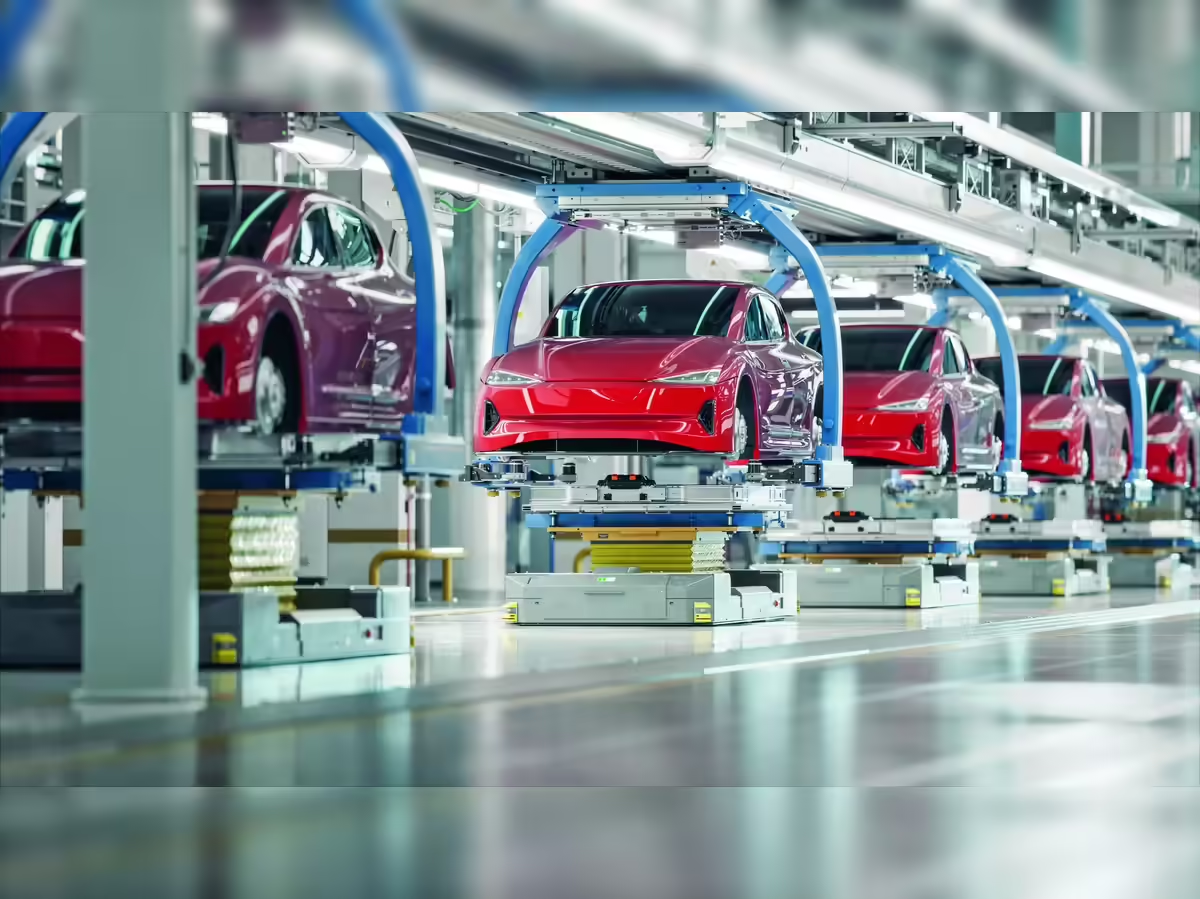
Automotive manufacturing is a highly energy-intensive process, and disruptions in global energy supply are creating challenges. According to industry estimates, companies dependent on natural gas could see EBITDA margin compression of 80–100 basis points.
Industrial Gas Supply Impact
One of the biggest concerns is the shortage of industrial gas:
Companies are shifting from piped natural gas to expensive LNG
Manufacturing costs may rise by 15% to 25%
Key processes like paint shops and forging units are heavily affected
If supply issues continue, production delays and bottlenecks may increase, impacting overall output.
Impact on Auto Companies
The effect is not uniform across all manufacturers:
| Impact Level | Companies |
|---|---|
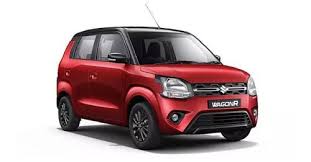
| High Impact | Maruti Suzuki, Ashok Leyland, Bajaj Auto |
| Moderate Impact | Eicher Motors |
| Low Impact | Escorts Kubota |
On the component side, companies like Sansera Engineering and CIE Automotive may face higher pressure.
Rising Raw Material Costs
Apart from energy, crude oil-linked materials are also becoming expensive:
Plastics
Synthetic rubber
Paints
These contribute 3–7% of OEM revenues, and rising costs could push automakers to increase vehicle prices by 0.5% to 1%.
CNG Segment Remains Stable
Despite supply issues, CNG vehicle demand remains stable:
Government continues to prioritise CNG fuel supply
Prices remain relatively controlled
Strong portfolios from brands like Maruti Suzuki and Bajaj Auto
This helps maintain consumer confidence in CNG vehicles.
Export & Logistics Challenges
Export markets may also face indirect impact:
Possible disruption near Strait of Hormuz
Higher freight and insurance costs
Delays in shipments, especially for Middle East-focused exporters
Summary
The ongoing US-Iran tensions are creating cost pressures across India’s auto industry, mainly through energy shortages and rising raw material prices. While short-term inventory may help companies manage immediate disruptions, long-term margins will depend on energy stability and crude oil trends.
Key Impact Overview
| Factor | Impact |
|---|---|
| Energy Costs | ↑ 15%–25% |
| EBITDA Margins | ↓ 80–100 bps |
| Vehicle Prices | Likely ↑ 0.5%–1% |
| Production | Possible delays |
FAQs
1. How does the US-Iran tension affect India’s auto industry?
It increases energy and raw material costs, reducing profit margins.
2. Which companies are most affected?
Companies like Maruti Suzuki, Ashok Leyland, and Bajaj Auto face higher impact.
3. Will car prices increase?
Yes, automakers may increase prices by 0.5% to 1%.
4. Is CNG supply affected?
No, the government is ensuring stable CNG supply for consumers.
5. What is the biggest risk for the sector?
Energy supply disruption and rising crude oil prices.