What's The Big News?
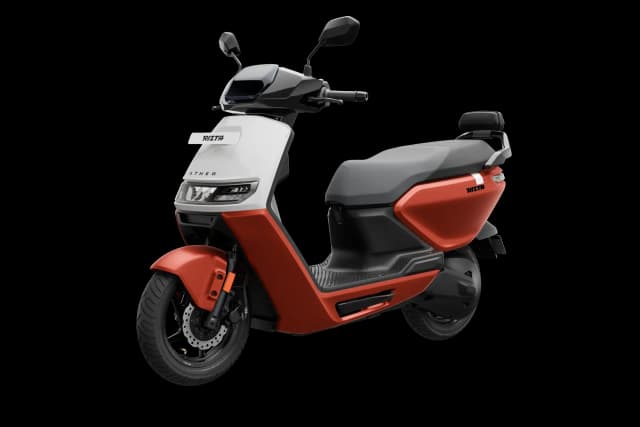
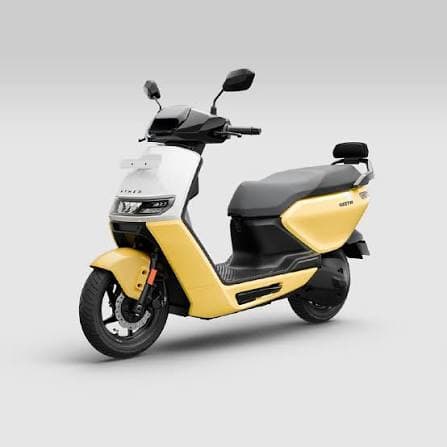
Alright, so Ather Energy, everyone's favourite premium electric scooter maker, has quietly rolled out a pretty significant update. They've made some crucial changes to the battery packs across their popular models, the 450 series and the new Rizta. You'd think smaller batteries mean less range, right? Well, prepare to be surprised, because Ather says the range remains exactly the same. And that’s not all; the family-focused Rizta now gets a completely new battery chemistry option, LFP.
This isn't just a minor tweak; it’s a strategic engineering move. For the 450 series, it’s about optimisation, getting more from less. But for the Rizta, bringing in LFP (Lithium Iron Phosphate) cells alongside the existing NMC (Nickel Manganese Cobalt) is a game-changer. It signals a shift in approach, focusing on different priorities for different models. So, what exactly does this mean for your ride, your pocket, and the future of Ather scooters? Let's break it down.
Battery Tech Shake-Up: LFP for Rizta!
Here's the real meat of the update: the Ather Rizta now has the option of LFP (Lithium Iron Phosphate) battery cells. Until now, Ather, like many performance-oriented EV brands, primarily used NMC (Nickel Manganese Cobalt) cells. NMC is great for energy density, meaning you can pack more power into a smaller space, which translates to better performance and typically more range. But LFP? That's a different beast entirely.
LFP cells are known for their longer lifespan, superior thermal stability (which generally means better safety), and they're often more cost-effective to produce. They're also less susceptible to 'range anxiety' in extreme temperatures, a common concern in our diverse Indian climate. So, while NMC might give you that punchy acceleration Ather is known for, LFP offers robustness and longevity, which aligns perfectly with the Rizta's positioning as a family-friendly, durable scooter. It’s like choosing between a high-strung sports car engine and a workhorse diesel — both have their merits, depending on what you need. It’s smart segmentation, if you ask me.
Smaller Packs, Same Range: How'd They Do It?
This is where Ather's engineering team really flexed their muscles. The context states that both the 450 and Rizta are now sporting smaller battery packs, yet their official range figures haven't dropped. How do you pull off a magic trick like that? It's not magic, it’s efficiency. Modern battery management systems (BMS) are getting incredibly sophisticated. They can extract more usable energy from the same capacity, optimise power delivery, and reduce internal losses.
Think of it like this: earlier, maybe 10-15% of the battery's theoretical capacity wasn't fully utilised due to various factors. With advancements in cell packaging, software algorithms, and thermal management, Ather has likely squeezed out more usable energy from a physically smaller pack. This also means less raw material usage, potentially leading to better cost efficiencies down the line – a win-win, really, if they pass on those savings. And honestly, it shows that Indian EV manufacturers are pushing the boundaries of what's possible with existing tech, not just waiting for the next big breakthrough.
Specs At A Glance
Feature | Ather 450 Series | Ather Rizta |
|---|---|---|
Battery Chemistry | NMC | NMC & LFP Options |
Battery Capacity | Revised/Optimised | Revised/Optimised |
Claimed Range | Unchanged (as per previous models) | Unchanged (as per previous models) |
Warranty | Maintained (as per previous models) | Maintained (as per previous models) |
Performance | Maintained (as per previous models) | Maintained (as per previous models) |
Other | Focus on Sporty Performance | Focus on Family & Practicality |
Note: Specific battery capacity numbers for the revised packs have not been officially revealed, but the range and performance are stated to be consistent with previous models.
How Does It Stack Up Against The Competition?
With this move, Ather is playing a slightly different game. The 450 series, with its NMC cells, continues to be the sharper, more performance-oriented offering, much like an Ola S1 Pro or a TVS iQube S. It's for those who want that instant torque and agile handling. The Rizta, however, now offers a unique proposition with its LFP option. While scooters like the Ola S1 Air also use LFP, Ather's implementation in the Rizta, with its focus on practicality and a proven platform, gives it a distinct edge for family buyers.
An LFP-equipped Rizta will likely appeal to those who value long-term reliability and safety over outright speed. It might not win every drag race against an S1 Pro, but it's built to be a workhorse, a daily companion that you can trust for years. The fact that Ather is offering both chemistries in the Rizta is a smart move, giving consumers more choice based on their priorities. It’s better than what most other manufacturers give you at this price point.
The Good And The Not-So-Good
What We Like
- LFP for Rizta: A fantastic move for durability, safety, and a longer battery lifespan, perfect for a family scooter.
- Maintained Range & Performance: Getting the same output from smaller packs shows serious engineering prowess. It means better efficiency.
- Consistent Warranty: No reduction in warranty despite the changes, which builds confidence.
- Strategic Segmentation: Ather is now clearly catering to different user needs with distinct battery philosophies.
What Could Be Better
- Transparency on Capacity: While the range is unchanged, knowing the exact revised battery capacities would be good for enthusiasts who pore over spec sheets.
- No Overall Range Boost: For the 450 series especially, a slight bump in range would have been a welcome bonus for existing customers.
Price & When You Can Buy It
As of now, Ather hasn't announced any changes to the pricing for either the 450 series or the Rizta following these battery updates. It's typical for such internal optimisations to be rolled out without a price hike, especially if they lead to cost efficiencies for the manufacturer. So, you can expect the prices to remain consistent with current ex-showroom figures, which vary depending on the model and state subsidies.
These updated models are likely already being dispatched or will be in the very near future. If you’re planning to book an Ather 450 or Rizta, you’ll be getting these newer, optimised battery packs. Always best to check with your nearest Ather dealership for the most current information on availability and specific prices in your city.
Our Verdict
Honestly, this isn't just a simple spec update; it’s a confident stride by Ather into advanced battery management and strategic product diversification. For the 450 series, it's about refining an already excellent package. But the LFP option for the Rizta? That’s the real headliner. It offers a promise of greater longevity and peace of mind, especially crucial for a scooter aimed at families. In my opinion, this move makes the Rizta an even more compelling proposition against rivals, delivering on the promise of a durable, reliable electric two-wheeler without compromising on the established Ather experience. It shows Ather isn't just chasing bigger numbers, but smarter engineering for the Indian roads.