What's The Big News?
Alright, folks, Arman here, fresh off the numbers crunch, and let me tell you, August 2026 has thrown up some really interesting data for India's two-wheeler scene. We're talking about a cumulative sales figure of 13.28 lakh units across the top 10 models, showing a healthy 8.4 percent growth year-on-year. That's a strong signal the market is roaring back, and people are buying bikes and scooters again. It’s good news for the industry, and frankly, it's a reflection of consumer confidence too.
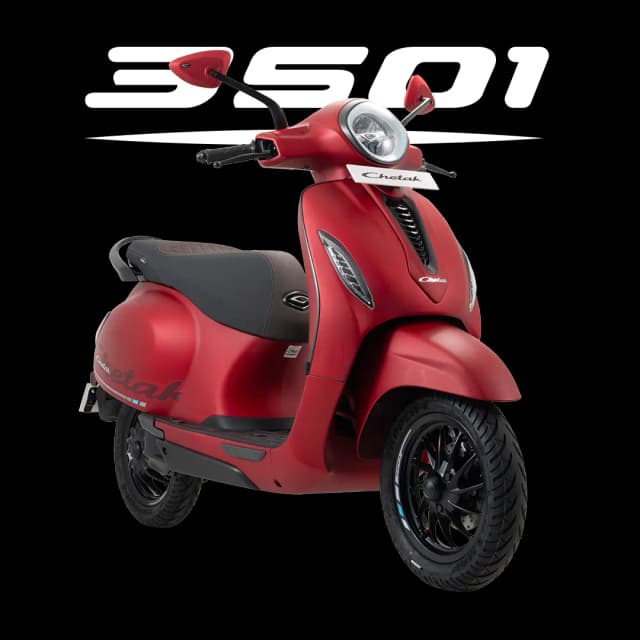
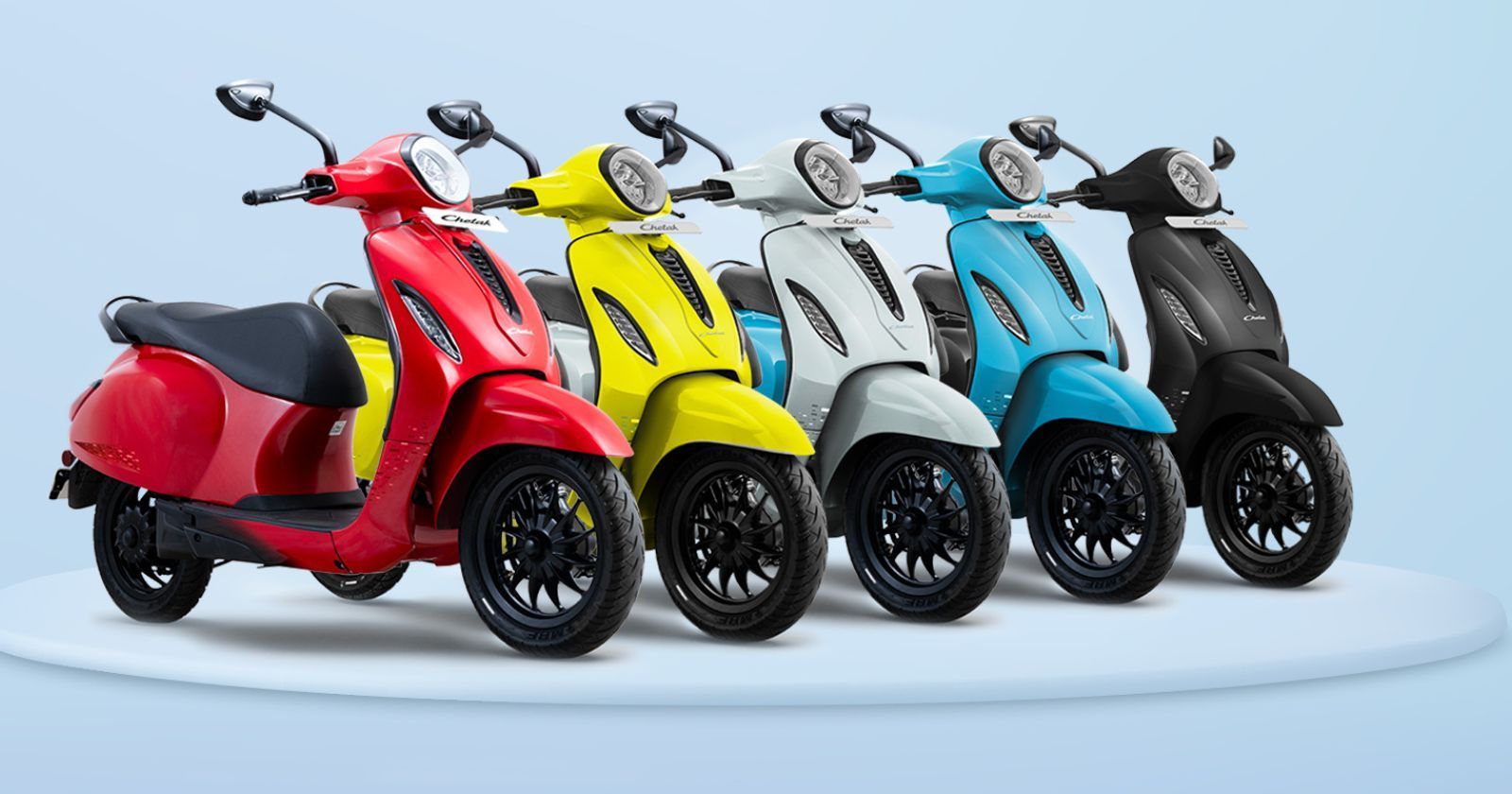
But dig a little deeper, and one name absolutely jumps out: the Bajaj Chetak. This electric scooter isn't just selling; it's exploding, recording an eye-watering 272.8 percent growth compared to last year. Yes, really. It wasn't just *on* the top 10 list, it was the *only* EV there, proving that electric isn't just a future dream anymore; it's a present reality gaining serious traction on our streets.
The Electric Revolution Takes A Firm Grip
Look, for years, we've heard about electric vehicles being the future, right? But the numbers from August 2026 tell a different story – the future is actually here, and it's rolling on two wheels. The Chetak's monumental growth isn't just a fluke; it's a testament to improving EV technology, growing charging infrastructure, and a clear shift in consumer mindset. People are seeing the long-term benefits, the lower running costs, and frankly, the sheer convenience of an electric scooter for city commutes.
This isn't just a win for Bajaj; it's a huge shot in the arm for the entire EV segment. When a premium electric scooter like the Chetak makes it to the top 10 alongside stalwarts like the Splendor or Activa, it shows that the Indian buyer is evolving. They're willing to embrace new tech, especially if it offers reliability and savings, which the Chetak clearly is doing. It challenges the notion that EVs are too expensive or impractical for the masses, and honestly, it shows.
India's Two-Wheeler Market: More Than Just EVs
While the Chetak steals the headlines, let's not forget the overall picture. An 8.4 percent year-on-year growth for the top 10 models combined, hitting 13.28 lakh units, is fantastic. This means the traditional petrol-powered two-wheelers – your usual suspects like the Hero Splendor, Honda Activa, TVS Jupiter, and Bajaj Pulsar – are still very much in demand. They form the backbone of our daily commutes and leisure rides across the country.
What this robust growth signifies is a healthy appetite for personal mobility. Be it for daily chores, commuting to work, or simply the joy of riding, Indians are opting for two-wheelers. The consistent performance of these conventional models indicates their enduring appeal: reliability, extensive service networks, and tried-and-tested technology. It also suggests that while EVs are gaining ground rapidly, there's still a massive market that values the familiarity and accessibility of petrol two-wheelers. This isn't a zero-sum game yet; both segments are thriving, albeit with different growth trajectories.
Sales Performance Snapshot
Metric | August 2026 Data | YoY Growth |
|---|---|---|
Total Top 10 Two-Wheeler Sales | 13.28 lakh units | 8.4% |
Bajaj Chetak Sales Growth | Not specified | 272.8% |
How Does It Stack Up Against The Competition?
This isn't a spec-for-spec comparison in the traditional sense, but rather a market performance showdown. The Bajaj Chetak, as the sole EV in the top 10, is essentially showing the way for its electric rivals. While other electric scooters like the Ather 450X, TVS iQube, or Ola S1 Pro are doing well in their own right, the Chetak's inclusion in the overall top 10 list – which is usually dominated by petrol giants – is a huge statement. It suggests Chetak has managed to appeal to a broader audience, perhaps even drawing buyers who might have otherwise considered a traditional 125cc petrol scooter like the Honda Activa 125 or TVS Jupiter 125.
For the petrol mainstays, the message is clear: innovate or risk losing significant market share. While the Splendor, Activa, and Jupiter continue their strong run, the Chetak's growth rate is a wake-up call. It proves that a well-packaged, reliable, and aspirational EV can compete with the best of ICE vehicles. The challenge for petrol scooters now is to retain their cost-effectiveness and familiar advantages while buyers increasingly look at the long-term savings and environmental benefits of electric.
The Good And The Not-So-Good
What We Like
- Explosive EV Growth: The Chetak's performance proves electric is viable and desired by the masses.
- Robust Market Health: Overall 8.4% growth is a great sign for the Indian economy and consumer spending.
- Wider Choice for Buyers: More successful EVs mean more options for people looking for diverse mobility solutions.
- Sustainable Shift: The increasing acceptance of EVs bodes well for India's long-term environmental goals.
What Could Be Better
- EV Infrastructure: While improving, charging infrastructure still needs significant expansion to truly support this kind of growth.
- EV Price Accessibility: Many good EVs are still priced at a premium; more affordable, quality options are needed.
- Traditional Player Innovation: Petrol two-wheeler manufacturers need to accelerate their EV plans or find new ways to make their ICE offerings even more compelling.
Price & When You Can Buy It
These are established models, so you know the drill. Current pricing for the Chetak and other top sellers like the Splendor, Activa, Jupiter, and Pulsar is readily available at your local dealerships across India. The Chetak, being a premium electric scooter, typically sits at a price point comparable to a well-specced 150cc petrol motorcycle or a premium 125cc scooter. Its price range is generally in the ₹1.25 lakh to ₹1.5 lakh (ex-showroom) bracket, though this can vary by variant and state subsidies. The strong sales figures, despite this price, highlight that buyers are now looking beyond just the initial cost.
Our Verdict
So, what does August 2026 tell us? It's a tale of two-wheelers, truly. On one hand, the traditional kings of the road – the workhorses we've all grown up with – are holding their ground, showing resilience and consistent demand. On the other, the electric revolution, spearheaded by the Bajaj Chetak, isn't just knocking; it's barging through the door with impressive numbers. Honestly, this signals a massive shift in how India moves. We're seeing consumers becoming more open to new technologies, valuing efficiency and sustainability alongside the traditional metrics of reliability and affordability. The future of Indian mobility is looking incredibly dynamic, and it's fantastic to be part of the ride.