What's The Big News?
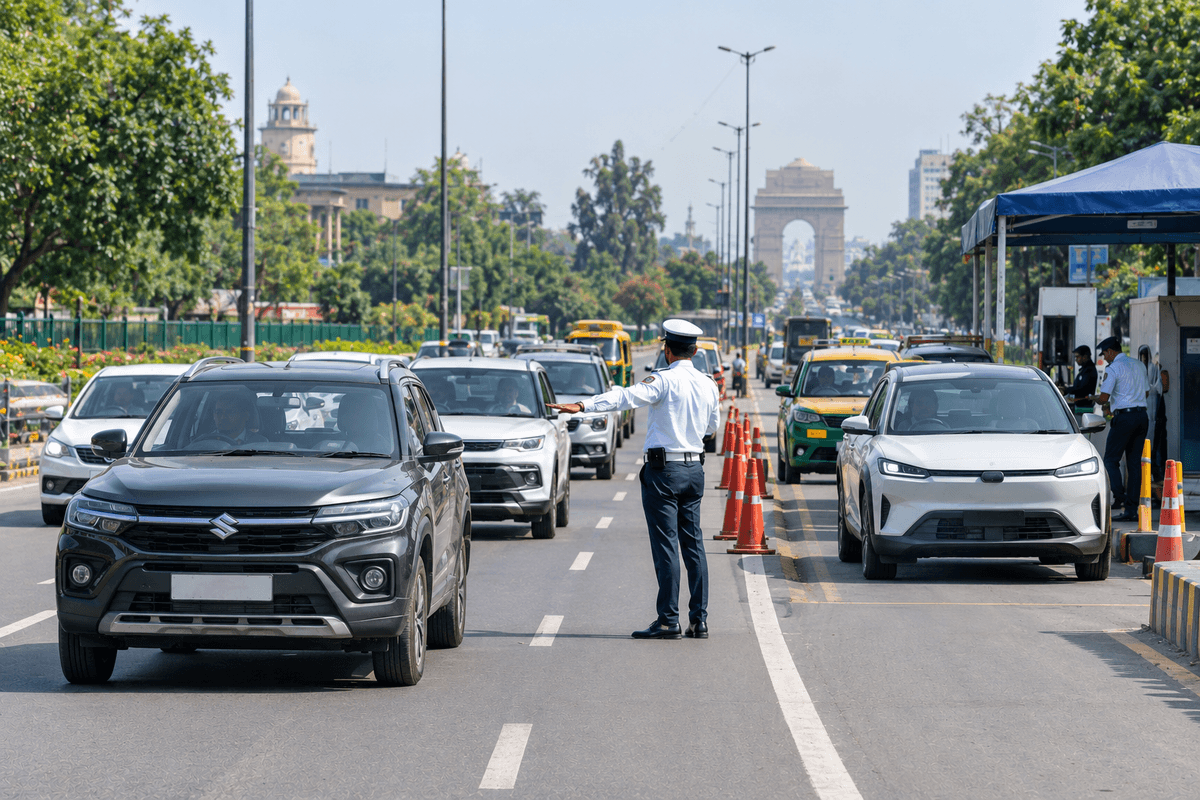
Alright, fellow enthusiasts, we've got a big one brewing for anyone driving in Delhi. The government, in its annual fight against the dreaded winter pollution, has announced a major move: non-BS6 vehicles are set to face restrictions from November 1. This isn't just another advisory; it's a direct impact on a huge chunk of cars on Delhi roads, and you need to pay attention.
This means if your car isn't BS6 compliant – and let's be honest, many of our trusty older steeds aren't – you might find your daily drives severely impacted. We're talking about everything from restrictions on specific days to outright bans in certain situations, depending on how bad the air gets. It's a tough pill to swallow for many, especially those who've maintained their vehicles well, but haven't upgraded to the latest emission standards.
What This Means for Delhi's Car Owners
So, what exactly does “non-BS6 restrictions” mean for you, the everyday Delhi driver? Well, typically, these measures fall under the Graded Response Action Plan, or GRAP, which kicks in as air quality deteriorates. When pollution levels go up, the restrictions get tighter. For starters, we're looking at things like diesel cars that are 10 years old and petrol cars that are 15 years old already facing bans. But this new announcement specifically targets *all* non-BS6 vehicles, regardless of age within those broader categories, when pollution hits specific levels.
You see, BS6 norms, implemented nationwide from April 2020, significantly reduce harmful emissions. Older BS4, BS3, and even earlier vehicles emit considerably more pollutants. So, when the air quality dips, these older, higher-emitting vehicles become prime targets for restrictions. For many families, their single car is their lifeline for work, school, and daily chores. Suddenly, that car could be parked for days, maybe even weeks, forcing a rethink of their entire commute strategy. And honestly, it shows the government's seriousness about tackling this issue, even if it's tough on the wallet for many.
We don't have the exact, granular details of *which* non-BS6 vehicles will be restricted under *which* GRAP stage just yet, but the blanket warning is clear: if your car isn't BS6, prepare for potential disruption. This could include odd-even schemes being brought back, or even full bans on private non-BS6 vehicles when air quality reaches severe levels. It's a scenario that will test the patience and planning skills of thousands of Delhi car owners, pushing them to consider alternatives they might not have thought about before.
Understanding the BS6 Standard and Why It Matters
Let's quickly get to the nuts and bolts of what BS6 actually is, for those who might not be fully clued in. BS stands for Bharat Stage, and it's basically India's version of emission standards, similar to Euro norms. Each stage sets stricter limits on pollutants like nitrogen oxides (NOx), particulate matter (PM), carbon monoxide (CO), and hydrocarbons released by vehicles. BS6, which rolled out a few years ago, is a massive leap from BS4.
For instance, BS6 diesel cars emit significantly less particulate matter – up to 80% less than BS4. NOx emissions are also cut drastically. For petrol cars, the improvements are notable too, though not as dramatic as diesel, with new particulate filters being a key addition. Moving to BS6 wasn't just about cleaner engines; it also required a switch to cleaner, lower-sulphur fuel across the country. This whole package was designed to make our air breathable again, especially in congested, polluted cities like Delhi.
The government's logic is straightforward: if older vehicles are a major contributor to pollution, restricting them during peak pollution periods is a direct way to try and clear the air. It's a tough call, no doubt, given the sheer number of non-BS6 vehicles still plying our roads. But looking at the health crisis that Delhi faces every winter, you can understand the urgency. We feel that while painful, these steps are deemed necessary by authorities to protect public health, even if they put a financial strain on many families.
Compliance Details at a Glance
Here’s a quick overview of what type of vehicles are likely to be impacted by these new restrictions. Remember, the exact implementation details can vary based on GRAP stages, but this gives you a general idea:
Vehicle Type | Emission Standard | Impact from Nov 1 (GRAP dependent) |
|---|---|---|
Older Petrol Cars | BS3, BS4, earlier | Likely Restricted/Banned during Severe+ pollution days |
Older Diesel Cars | BS3, BS4, earlier | Likely Restricted/Banned during Severe+ pollution days (more stringent) |
Newer Petrol Cars | BS6 | No Impact (Allowed to ply) |
Newer Diesel Cars | BS6 | No Impact (Allowed to ply) |
CNG Vehicles | (Generally cleaner than BS4) | Likely No Impact (often exempted from bans) |
Electric Vehicles | (Zero Emission) | No Impact (Always allowed) |
This table gives you a snapshot. If your car falls into the 'Older' category, you'll need to stay updated on the daily air quality index and corresponding GRAP measures once November hits.
What Are Your Options If Your Car Is Affected?
So, your beloved non-BS6 car might be sidelined. What now? You've got a few options, none of them perfectly easy or cheap, but worth considering. For starters, you could lean heavily on public transport – Delhi Metro, DTC buses, you name it. It's not always as convenient as your own car, but it's cost-effective and, well, mandatory if your car is banned.
Another path is ride-sharing apps. Uber and Ola will definitely see a surge in demand. But relying on them daily can quickly become more expensive than running your own car, especially for longer commutes. Then there's the big one: upgrading. If you've been eyeing a new car, now might be the time. A new BS6 petrol, diesel, or even an EV, will keep you on the road. For the price of a mid-spec Swift, you can sometimes get into a decent used BS6 or consider an entry-level electric two-wheeler for short distances, if not a full EV.
Selling your non-BS6 car in Delhi might be tough, as demand will likely dip. You could consider selling it in a neighbouring state where restrictions aren't as stringent, but you'll still take a hit on resale value. The government does have a vehicle scrappage policy, but the incentives aren't always enticing enough to make the jump for everyone. Honestly, for many, it's a real dilemma – a choice between financial strain and daily convenience.
The Good And The Not-So-Good
What We Like
- Cleaner Air: Let's be real, Delhi's winter air is a health hazard. Any step towards improving it is welcome.
- Push for Newer Tech: It incentivizes people to move towards cleaner, more efficient BS6 vehicles and EVs.
- Public Health Focus: The primary goal is to protect citizens from respiratory illnesses, which is crucial.
- Environmental Awareness: It keeps the pollution conversation at the forefront, hopefully leading to more sustainable practices in the long run.
What Could Be Better
- Sudden Impact: For many middle-class families, this comes as a sudden burden, with little time to plan financially.
- Lack of Incentives: Stronger incentives for scrappage or buying new, cleaner vehicles could soften the blow.
- Enforcement Challenges: Implementing such a widespread ban effectively across a sprawling city like Delhi is a monumental task.
- Second-Hand Market Woes: Resale values for non-BS6 vehicles in Delhi will tank, hurting owners.
- Clarity on Implementation: More transparent, stage-wise details would help owners plan better, rather than a general warning.
Costs & Next Steps for Owners
If your car is non-BS6, the 'cost' isn't about buying it, but about the cost of *not* being able to use it, or the cost of replacing it. We're talking about potentially significant daily expenses if you rely on cabs, or a major financial outlay if you decide to buy a new BS6 vehicle or an EV. An entry-level BS6 hatchback could set you back anywhere from ₹5-8 lakh, and an EV starts around ₹10 lakh upwards – a substantial sum for many.
For now, the crucial next step is to identify your vehicle's emission standard. Check your registration certificate (RC) – it should clearly state if it's BS4, BS6, etc. Then, stay glued to official announcements from the Delhi government and traffic police regarding the exact GRAP stages and which specific categories of non-BS6 vehicles will be restricted. These detailed guidelines are usually released closer to the implementation date. Don't rely on WhatsApp forwards; check official sources like the Delhi government's transport department website or reputable news outlets. Plan your commutes, explore public transport options, and if you're seriously considering an upgrade, start doing your homework now.
Our Verdict
Look, Delhi's pollution problem isn't new. Every winter, it chokes the city, and tough measures become inevitable. Restricting non-BS6 vehicles is a hard decision, one that will definitely sting a large number of car owners who've invested their hard-earned money. It's easy to point fingers, but the reality is, cleaner air requires collective action, and sometimes, that means painful sacrifices for individuals.
Honestly, while the intent to curb pollution is absolutely necessary and commendable, the execution often leaves the common man scrambling. A more phased approach with clearer, upfront incentives for upgrading or scrapping older vehicles would have been a lot fairer. As Arman, I understand the frustration, but I also see the necessity. For those affected, it's time to strategize, explore alternatives, and perhaps, start thinking about that BS6 upgrade or even an electric future. This November isn't just about winter; it's about a fundamental shift in how Delhi drives.