What's The Big News?
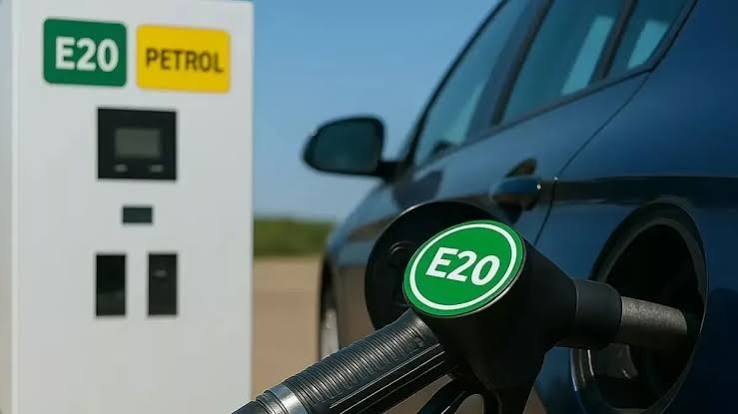
So, you've been hearing about E20 petrol for a while now, right? And maybe you were wondering if you'd still have the option of pure petrol or even E10 at the pump. Well, folks, the government has just dropped a bomb: that's not happening. They've clarified that E20, the 20% ethanol blend, is set to be the standard fuel across the country.
This isn't just a suggestion; it's a clear directive, meaning the days of choosing between different ethanol blends or pure petrol might soon be behind us, at least in a widespread manner. The message is pretty clear: E20 is the future, and we all need to get ready for it. This move certainly changes the game for Indian car owners, whether you drive a brand-new SUV or an old faithful hatchback.
What It Means For Your Car And Your Wallet
This move has huge implications for every car owner in India. First off, if your car is relatively new – say, launched after 2018 or so – chances are it's already E20 compliant, or at least designed to handle it with minor adjustments. Most manufacturers have been gearing up for this transition. But what about older vehicles? That's where the real questions come in.
Owners of older cars might face challenges. While a 10% ethanol blend (E10) generally works fine in most older petrol engines, a 20% blend can be a different story. Ethanol is more corrosive and can affect rubber and plastic components not designed for it. You might experience reduced fuel efficiency, and over time, potential wear and tear on fuel lines or seals. It's a real concern for those who've saved hard for their current ride, and it's something many are worried about (yes, really).
The Policy Push: Why E20, And What's The Long Game?
So, why this sudden, firm push for E20? It's multifaceted, but the core reasons are clear. Our government wants to reduce India's massive reliance on imported crude oil. By blending indigenous ethanol, we save precious foreign exchange and boost our own agricultural sector. It's a big step towards energy independence, which is crucial for a country like ours that imports over 80% of its oil needs.
Secondly, ethanol is considered a cleaner-burning fuel compared to pure petrol. This means lower carbon emissions, which is a definite plus for our fight against air pollution, especially in congested cities. It’s an environmental win, at least in theory. The transition will also likely push manufacturers to ensure all their upcoming models are fully E20 optimised, something they've already been working on for a while.
Specs At A Glance
Parameter | Details (E20 Fuel & Policy) |
|---|---|
Ethanol Blend Percentage | 20% Ethanol, 80% Petrol |
Government Policy Status | To be standard fuel nationwide |
Availability of Pure Petrol/E10 | Not planned to be offered simultaneously |
Primary Objectives | Reduce crude oil imports, lower carbon emissions, boost agriculture |
Target Implementation | Gradual rollout, aiming for full national coverage |
How Does It Stack Up Against The Policy of Pure Petrol/E10?
Compared to the era of readily available pure petrol, or even the E10 blend we've gotten used to, E20 is a different ballgame altogether. Previously, the choice was there, or at least the perception of it. Now, the government's stance makes it clear that E20 isn't just an option; it's *the* option. This means consumers won't have the luxury of choosing a fuel type based on their vehicle's age or perceived compatibility.
While E10 was a relatively smooth transition for most vehicles, E20 might demand more attention from owners of older cars. It's a definite push towards a greener and more self-reliant future, but it does mean some adjustments and potentially some retrofitting or increased maintenance for older petrol cars. The policy prioritizes national goals over individual vehicle compatibility, which is a tough pill for some to swallow.
The Good And The Not-So-Good
What We Like
- Significant reduction in crude oil imports, saving foreign exchange.
- Boost to local ethanol production and agricultural sector.
- Lower carbon emissions, contributing to cleaner air.
- Encourages manufacturers to build more E20-optimised vehicles.
What Could Be Better
- Potential compatibility issues for older, non-E20 compliant vehicles.
- Risk of reduced fuel efficiency in some cars.
- Concerns about long-term engine health for vehicles not designed for E20.
- Lack of alternative fuel options (pure petrol/E10) for consumer choice.
Price & When You Can Buy It
E20 is already available at many pumps across the country, especially in major cities and along key highways. The government's push means its availability will only expand rapidly, making it the dominant petrol option. Pricing for E20 is generally expected to be comparable to, or potentially slightly lower than, the current E10 petrol, thanks to the lower cost of ethanol compared to crude oil. However, fuel prices are always subject to market dynamics and taxation, so precise figures are yet to be revealed by oil marketing companies.
This isn't about *when* you can buy a car compatible with E20 – most new models already are. It's about when E20 becomes *the* fuel everywhere, and that transition is already well underway. Expect a gradual, but firm, rollout across all regions, making E20 the default petrol at your neighbourhood pump very soon.
Our Verdict
Honestly, this E20 standardisation is a double-edged sword. On one hand, the environmental benefits and the reduction in our import bill are undeniable and crucial for India's future. It's a bold move towards sustainability and energy independence, and frankly, it's a necessary step. But on the other hand, the government needs to address the very real concerns of owners with older vehicles. Not everyone can afford a new E20-compliant car, and forcing them to use a fuel that might harm their engines without clear guidelines or support isn't fair. We feel a clear roadmap for older vehicles, perhaps even incentives for retrofitting or exchange, is vital to make this transition truly equitable for every Indian motorist.