What's The Big News?
Alright, folks, buckle up because Tata Motors just dropped a bombshell in their June 2026 sales report. Forget your usual 5-10% bumps; we're talking about a mind-boggling 67.40% year-on-year growth in domestic passenger vehicle sales! That's not just a good month; that's a statement, loud and clear, from a manufacturer that's truly hitting its stride.
They've pushed out a massive 62,076 units last month, compared to a respectable 37,083 units in June 2025. This isn't just about numbers; it's about market momentum, about consumer trust, and about a brand that's clearly doing something very, very right in the highly competitive Indian automotive landscape. The question everyone's asking: how'd they pull it off?
Tata's Strategy: What's Working?
Look, a jump like this doesn't happen by accident. Tata Motors has been playing a long game, focusing on a few key pillars, and it's finally paying off handsomely. First up, their product offensive has been relentless. From the Punch creating a whole new micro-SUV segment to the Nexon holding its fort as a best-seller, they've got cars for almost every budget and need. And let's not forget the Altroz, which still looks fresh and offers solid value.
Then there's the safety card, which Tata played brilliantly. They were among the first to truly emphasize safety ratings, and Indian buyers, increasingly aware, are responding. It's a huge differentiator, especially when you're talking about family cars. Plus, the buzz around upcoming models like the Curvv and the Sierra is palpable, creating a halo effect for the entire brand. People are seeing Tata as a serious, innovative player, and honestly, it shows.
The Electric Advantage & Market Shift
Here's the thing — you can't talk about Tata's success without mentioning their absolute dominance in the electric vehicle (EV) space. The Nexon EV practically owns the budget-friendly electric SUV segment, and the tiago-ev">Tiago EV has democratized electric car ownership for many. They've invested heavily in EV tech and infrastructure, and it's given them an insurmountable lead over most rivals. As India slowly but surely shifts towards electric, Tata is miles ahead.
Beyond EVs, the broader market trend towards SUVs and crossovers has also played perfectly into Tata's hands. Their lineup, from the Punch to the Harrier and Safari, offers robust, feature-rich options that appeal to the Indian buyer who wants that commanding road presence and a bit of extra ground clearance for our diverse road conditions. They've understood what the average Indian family wants in their garage, and they're delivering it consistently.
Specs At A Glance
Metric | Details |
|---|---|
Domestic PV Sales (June 2026) | 62,076 units |
Domestic PV Sales (June 2025) | 37,083 units |
Year-on-Year Growth | 67.40% |
Key Contributing Models (from lineup) | Punch, Nexon, Tiago, Altroz, Harrier, Safari, Tigor, Curvv (upcoming), Sierra (upcoming) |
How Does It Stack Up Against The Competition?
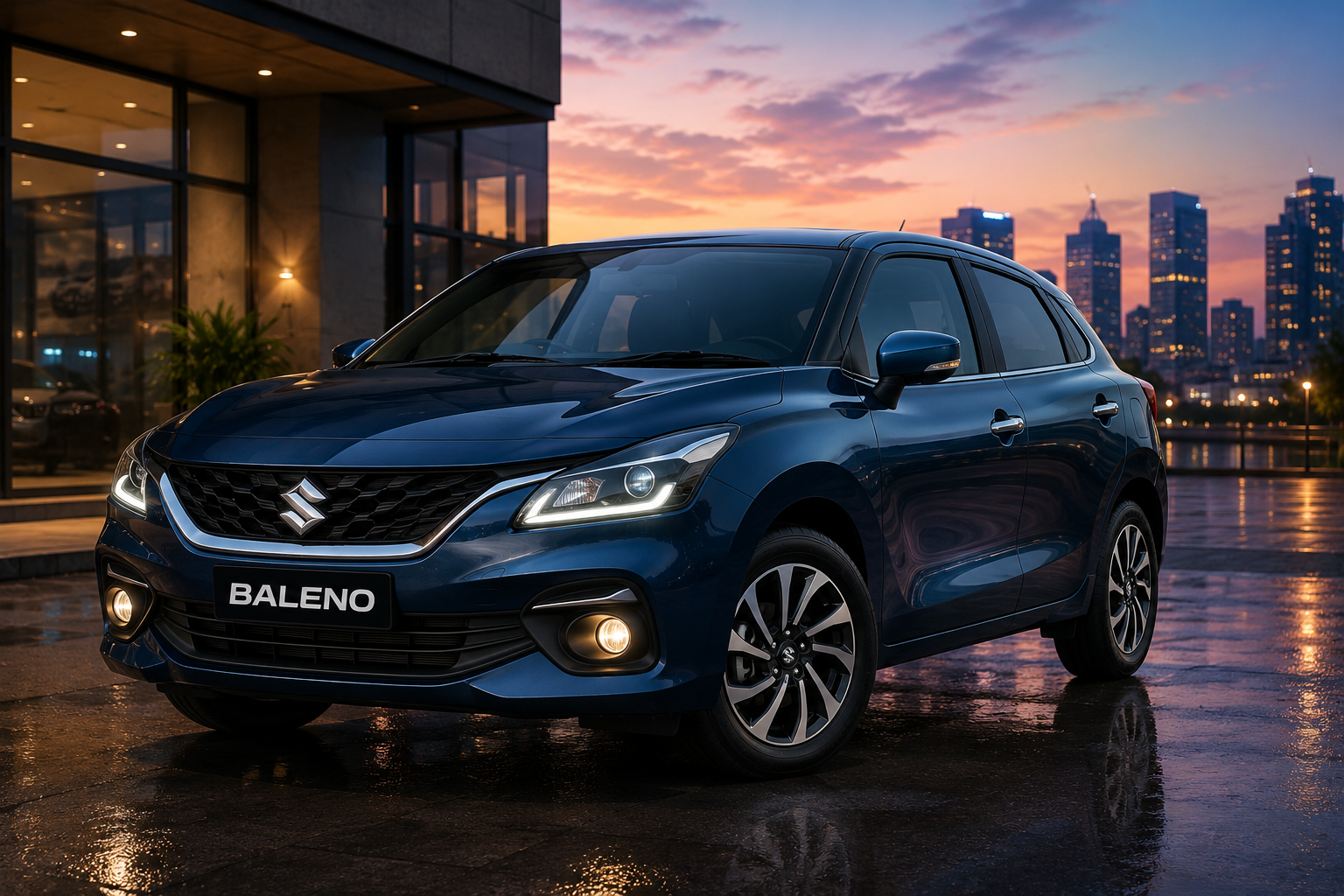
This kind of growth puts immense pressure on rivals, especially Maruti Suzuki and Hyundai. While Maruti still holds the volume crown, Tata is rapidly eating into their market share, particularly in the compact SUV and premium hatchback segments. They're offering a compelling alternative, often with better build quality and safety features, for the price of a mid-spec Swift or Baleno.
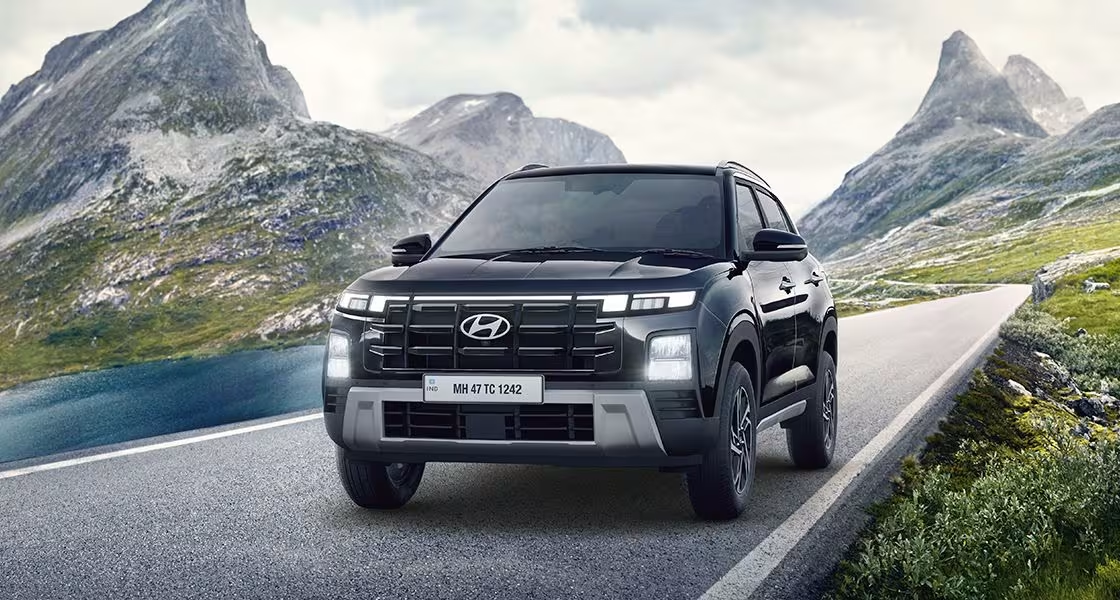
Against Hyundai, Tata is also holding its own, especially with models like the Nexon going head-to-head with the Venue and Creta. In the EV segment, frankly, there's no real competition that matches Tata's scale and breadth of offerings right now. Honestly, they're not just playing catch-up anymore; they're setting the pace in certain segments and forcing others to rethink their strategies. This isn't just a good month; it's a sign of a shifting power dynamic in the Indian auto scene.
The Good And The Not-So-Good
What We Like
- Phenomenal YoY Growth: A nearly 70% jump is an incredible feat and signals strong market acceptance.
- Robust Product Portfolio: A diverse lineup that caters to various buyer segments, from micro-SUVs to premium SUVs and EVs.
- Safety-First Approach: Tata's focus on GNCAP ratings has resonated deeply with safety-conscious buyers.
- EV Leadership: Their undeniable dominance in the electric vehicle market is a massive advantage for future growth.
- Anticipation for New Models: Upcoming vehicles like Curvv and Sierra are keeping the brand exciting and relevant.
What Could Be Better
- Service Network Consistency: While improving, the after-sales service experience can still be a mixed bag across different dealerships.
- Individual Model Sales Breakup: For a clearer picture, more detailed sales figures for each model would provide better insights into specific segment performance.
- Quality Control at Scale: As volumes grow rapidly, maintaining consistent build quality and fit-finish levels across all units will be crucial.
Price & When You Can Buy It
Since we're talking about overall sales performance, there aren't new launch prices to discuss here. Tata Motors' existing lineup continues to offer competitive pricing across its segments. You can walk into any Tata showroom today and find a car that fits your budget, from the Tiago to the Safari, each offering a compelling value proposition in its category. Pricing for individual models remains as per their respective segments, often undercutting or matching key rivals while offering superior safety or features. The strong sales figures simply show that buyers are finding these prices attractive for the value offered.
Our Verdict
This June 2026 sales report isn't just a win for Tata Motors; it's a testament to a manufacturer that's truly understood the pulse of the Indian market. They've built a reputation for safety, embraced the EV revolution head-on, and consistently brought out products that resonate with buyers. The 67.40% YoY growth isn't a fluke; it's the result of years of strategic planning and execution. Here's the thing — Tata isn't just selling cars; they're selling a vision of the Indian automotive future, and June 2026 shows buyers are clearly on board. The competition better take note, because Tata isn't slowing down anytime soon.