What's The Big News?
Okay, folks, listen up! This is the news many of you with older cars have been waiting for. For months, we've heard whispers and concerns about E20 petrol – the new blend with 20% ethanol – and whether it'll play nice with vehicles made before 2023. Well, the industry, along with government officials, has finally put those fears to rest. They've announced that after some serious, extensive testing, there's no evidence that E20 petrol damages older cars.
This is a big deal, right? Think about it: millions of cars on Indian roads are pre-2023 models. The thought of shelling out for expensive repairs because of a fuel change was a genuine headache for many. So, this official word from the top brass? It's like a collective sigh of relief for every owner who’s been eyeing the E20 pump with a bit of apprehension. Time to dive into what this really means for your beloved ride.
E20 Petrol: What Exactly Is It, And Why The Fuss?
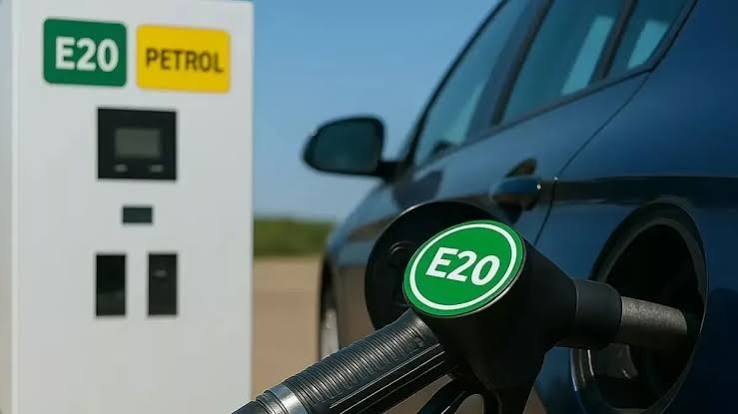
Let's break it down simply. E20 petrol isn't just regular petrol; it's a blend that contains 20% ethanol and 80% gasoline. The 'E' stands for ethanol, naturally. The Indian government has been pushing for this for a while now, and for good reasons. Primarily, it's about reducing our massive crude oil import bill. We import a huge chunk of our oil, and blending ethanol – which can be produced domestically from sugarcane and other agricultural waste – helps cut down on that dependency. Plus, ethanol is a cleaner-burning fuel, meaning it helps reduce tailpipe emissions, which is a win for our ever-so-polluted cities.
So, why all the worry? Well, older cars, those designed before E20 became the norm, weren't built with this higher ethanol content in mind. Ethanol is a solvent, and it can be corrosive to certain materials, especially the rubber and plastic components found in older fuel systems – things like fuel lines, seals, and O-rings. The fear was that over time, E20 would degrade these parts, leading to leaks, poor fuel delivery, and eventually, costly breakdowns. It’s a valid concern for anyone who's saved up for years to buy their dream machine, isn't it?
The "Pre-2023" Vehicle Dilemma: What Does "Safe" Really Mean?
This is where the rubber meets the road, quite literally. The industry's statement isn't just a casual remark; it comes after what they're calling 'extensive testing'. What does that entail? Typically, these tests involve running vehicles for thousands of kilometers on E20 fuel, often under varied conditions, and then meticulously inspecting the fuel system components. Engineers would be checking for any signs of corrosion, material degradation, leaks, or performance issues that could be directly attributed to the higher ethanol blend.
We're talking about tests conducted by automotive manufacturers themselves, research institutions, and potentially government agencies like the Bureau of Indian Standards (BIS). The focus would be on critical components: fuel tanks, fuel pumps, injectors, fuel lines, and all the seals and gaskets that come into contact with the fuel. When they say 'no evidence of damage', it means these rigorous tests didn't reveal any significant accelerated wear or failure in pre-2023 vehicles. Honestly, this is a massive relief, especially for those of us who believe in maintaining our cars for the long haul.
E20 Fuel Properties At A Glance
Property/Aspect | Details |
|---|---|
Ethanol Content | 20% by volume (80% petrol) |
Primary Goal | Reduce crude oil imports, lower greenhouse gas emissions |
Impact on Older Vehicles (Pre-2023) | Extensive industry testing shows no significant damage to fuel system components. |
Potential for Water Absorption | Ethanol attracts water, which can be a concern, but modern fuel systems and proper storage usually mitigate this. |
Calorific Value | Slightly lower than pure petrol, leading to a marginal, often negligible, drop in fuel efficiency for some vehicles. |
Emission Reduction | Expected to reduce CO and hydrocarbon emissions. |
Material Compatibility | Initial concerns for older rubber/plastic parts addressed by testing results for pre-2023 vehicles. |
How Does E20 Compare To Regular Petrol (E10/E5)?
So, how different is E20 from what we’ve been using? For a long time, India was largely on E5 (5% ethanol blend), and then we transitioned to E10 (10% ethanol). E20 is simply taking that ethanol content up another notch. The biggest difference, apart from the composition, lies in its environmental benefits and our energy security. With E20, we're cutting down more on our fossil fuel dependency, which is good for the environment and our national economy.
In terms of performance for your vehicle, the difference between E20 and E10 isn't night and day. Ethanol has a slightly lower energy density than pure petrol. This means that, theoretically, you might get a tiny bit less mileage per litre with E20. We're talking a marginal difference, often in the range of 1-3%, and for many drivers, it's barely noticeable in real-world conditions. Modern engines, even those pre-2023, are quite adaptable. The important part is that the industry has confirmed the *safety* aspect, which was the primary concern, not a slight tweak in mileage that you might not even feel.
The Good And The Not-So-Good
What We Like
- Peace of Mind for Owners: This is huge. No more constant worry about damaging your beloved pre-2023 car just by filling up.
- Environmental Benefits: Cleaner burning fuel means a step towards reducing air pollution in our cities.
- Reduced Import Dependency: Good for India's economy and energy security, helping us reduce reliance on foreign oil.
- Government Commitment: Shows a clear path forward for fuel policy in the country.
What Could Be Better
- Initial Confusion & Lack of Clear Communication: The early days of E20 rollout left many owners guessing, leading to unnecessary anxiety.
- Marginal Fuel Efficiency Drop: While often negligible, some vehicles might experience a slight dip, which can add up for high-mileage users.
- Wider Availability: While E20 is expanding, it's not universally available everywhere yet, especially in smaller towns and rural areas.
- No Retrofit Solution for Older, *Unsuitable* Vehicles: While pre-2023 is largely safe, some truly ancient or specific models might still have issues, and there's no clear retrofit path for them yet.
Availability & What It Means For Your Wallet
E20 petrol has been steadily rolling out across India. You'll find it at more and more fuel pumps, especially in major cities and along national highways. The government has a target for nationwide availability, and they're working towards that aggressively. So, if you haven't seen an E20 pump yet, you probably will soon.
As for your wallet, the pricing of E20 petrol is generally competitive with, or sometimes slightly cheaper than, regular petrol. This is because ethanol itself is often procured at a lower cost than crude oil, allowing for some flexibility in pricing. However, remember that fuel prices are dynamic and subject to central and state taxes, as well as global crude oil rates. So while it might not drastically reduce your fuel bill, it certainly isn't expected to be more expensive, which is always a plus.
Our Verdict
Here's the thing — for months, Indian car owners have been asking one question: Is my car truly safe with E20? This official confirmation from the industry is the answer we needed. It's a huge reassurance for millions who own pre-2023 vehicles, alleviating a major point of stress during this fuel transition. It means you can fill up with E20 without constantly fretting about your fuel lines or engine components.
Yes, there's always a theoretical minor hit on fuel efficiency for some, and wider availability is still a work in progress, but the core issue of compatibility and safety has been addressed. In my opinion, this move by the industry is a positive step. It allows India to move forward with its ethanol blending goals, benefiting both the environment and our economy, all while ensuring the existing fleet of vehicles isn't left in the lurch. So, go ahead, fill up responsibly, and enjoy your drive!