What's The Big News?
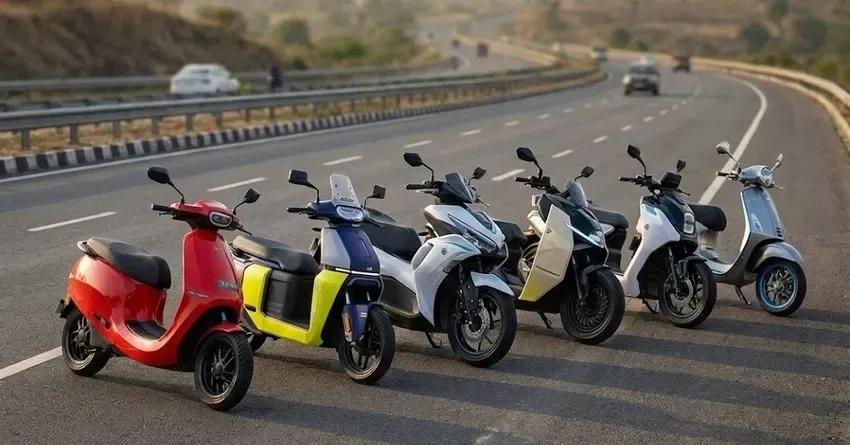
Indian roads are changing faster than we think. If you stood at a busy traffic light a couple of years ago, you'd hear the familiar, noisy hum of petrol engines, but today, it's a silent revolution. The numbers coming in are absolutely staggering, with June 2026 recording an unprecedented 75 percent year-on-year growth in electric two-wheelers, translating to over 1.93 lakh units flying off the showroom floors in just one month.
Think about that for a second. That's nearly two lakh people choosing to plug in their rides instead of waiting in long petrol pump lines. This massive surge isn't just a fluke; it's the direct result of some seriously impressive product launches in the first half of 2026 that have finally made buyers realize that electric scooters aren't just green experiments anymore.
The Practical Revolution: Why H1 2026 Was Different
Look, we've moved past the era where electric scooters were bought only by early adopters who didn't mind a few glitches. The first half of 2026 has been about mature, practical, and highly reliable machines that can easily replace your aging Activa or Jupiter. Leading Indian auto giants have stopped playing safe and are now throwing everything they have into this segment.
What makes this phase so exciting is the sheer variety on offer. Whether you want a high-speed corner carver that makes your daily commute feel like a racetrack, or a rock-solid family scooter with a massive boot to carry a week's worth of groceries, H1 2026 delivered. Brands have focused heavily on solving real-world issues like battery reliability, true range accuracy, and build quality. It's a massive win for the Indian consumer who wants maximum value for every single rupee spent.
The 5 Defining Launches That Shook Up The Market
Let's talk about the five key offerings that have dominated the conversation. First up, we saw the family-focused revolution led by Ather's latest spacious practical scooter, which finally gave traditional family buyers a reason to ditch petrol. It has a massive seat, a boot that can swallow almost anything, and a ride quality that puts old-school commuters to shame.
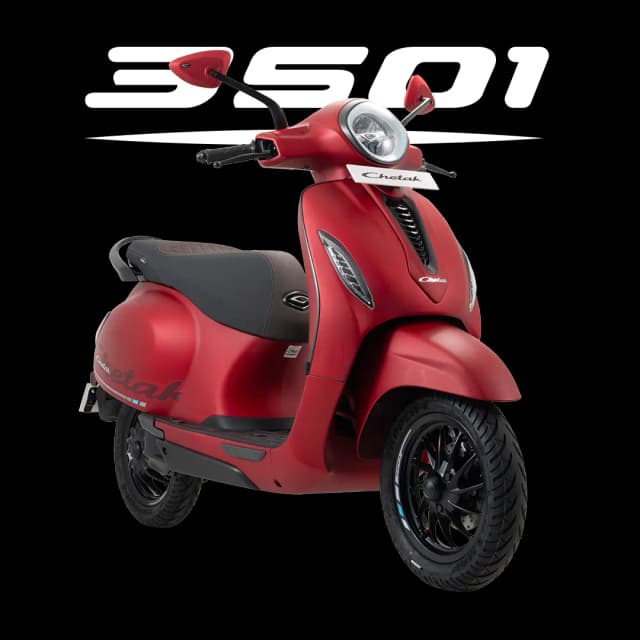
Then we have Bajaj's updated, premium metal-bodied Chetak lineup. Bajaj decided to double down on what they do best—classic styling combined with bulletproof build quality (and honestly, it shows)—while giving the tech inside a much-needed upgrade. It feels premium, looks like a million bucks on the road, and handles pothole-ridden Indian streets with ease.
TVS didn't stay quiet either, pushing out updated variants of their incredibly popular iQube series. They focused on delivering a balanced package that appeals to every generation in an Indian household, from college-going kids to grandparents.
Ola Electric kept the competitive heat turned up by expanding their mass-market S1 lineup with even more affordable variants. They've targeted the absolute entry-level petrol commuter space, making the transition to electric almost a no-brainer for budget-conscious buyers.
Finally, Hero's Vida brand expanded its reach with highly practical, modular battery setups that address the biggest fear of apartment dwellers: charging. Their focus on removable batteries has been a game-changer for people who don't have a dedicated plug point in their parking slots.
Specs At A Glance
Scooter Profile / Model Category | Battery Capacity (kWh Range) | Claimed Range (km) | Estimated Price Range (Ex-showroom) |
|---|---|---|---|
Ather Family Commuter Class | 2.9 - 3.7 kWh | 120 - 160 km | ₹1.10 Lakh - ₹1.45 Lakh |
Bajaj Chetak Premium Series | 3.2 kWh | 125 - 137 km | ₹1.15 Lakh - ₹1.35 Lakh |
TVS iQube Updated Range | 2.2 - 3.4 kWh | 95 - 145 km | ₹95,000 - ₹1.40 Lakh |
Ola S1 Entry-Level Mass Variants | 2.0 - 3.0 kWh | 90 - 143 km | ₹75,000 - ₹99,999 |
Hero Vida Modular Battery Series | 3.4 - 3.9 kWh | 110 - 165 km | ₹1.00 Lakh - ₹1.30 Lakh |
How Does It Stack Up Against The Competition?
When you pitch these fresh H1 2026 entrants against the old guard of petrol scooters, it's not even a fair fight anymore. For the price of a mid-spec petrol scooter, you are now getting a machine that costs literally pennies to run daily.
If we compare the performance rivals, Ather's family-focused and sporty offerings go head-to-head with Ola's aggressive tech-first approach. While Ola gives you insane top speeds and gadgets, Ather counters with unparalleled software stability and build quality. Meanwhile, the legacy battle between the TVS iQube and the Bajaj Chetak is closer than ever, with Bajaj winning on metal-body retro charm and TVS taking the crown for the most comfortable, fuss-free daily ride.
The Good And The Not-So-Good
What We Like
- Massive real-world range improvements that actually match what's on the screen.
- Spacious designs that respect the needs of an average Indian family.
- Significantly better build quality and water protection than earlier generations.
- Charging infrastructure is expanding rapidly, reducing range anxiety.
What Could Be Better
- Software bugs still creep in occasionally after over-the-air updates.
- Touchscreens can become unresponsive during heavy monsoon downpours.
- Initial purchase cost is still higher than entry-level petrol alternatives.
Price & When You Can Buy It
Most of these H1 2026 models are already on sale across major Indian metros, with dealerships expanding rapidly into Tier-2 and Tier-3 cities. Pricing for these game-changers typically starts from around ₹90,000 for the entry-level commuter variants and goes up to ₹1.5 lakh or more for the flagship, high-performance models (ex-showroom, before state subsidies).
You'll want to check local state subsidies as they can bring down the final on-road price significantly. Deliveries are currently active, though some popular colors and high-spec variants still command a waiting period of a few weeks depending on your city.
Our Verdict
Honestly, if you are still sitting on the fence waiting for the electric scooter market to mature, your wait is officially over. The crop of scooters launched in the first half of 2026 proves that the industry has finally grown up. You no longer have to compromise on reliability or comfort just to save on fuel bills.
We feel that the shift toward family-friendly, high-utility EVs is the best thing to happen to the Indian two-wheeler space in decades. Go take a test ride of any of these five contenders; we promise you won't want to go back to a noisy, vibrating petrol scooter ever again.