What's The Big News?
Alright folks, gather 'round, because Union Minister Nitin Gadkari just dropped a bit of a bombshell that's got everyone talking. You know how those long, buttery smooth expressways tempt you to push the pedal just a tad bit more? Well, it seems the government might actually be listening to our silent prayers, or at least our speedometer readings.
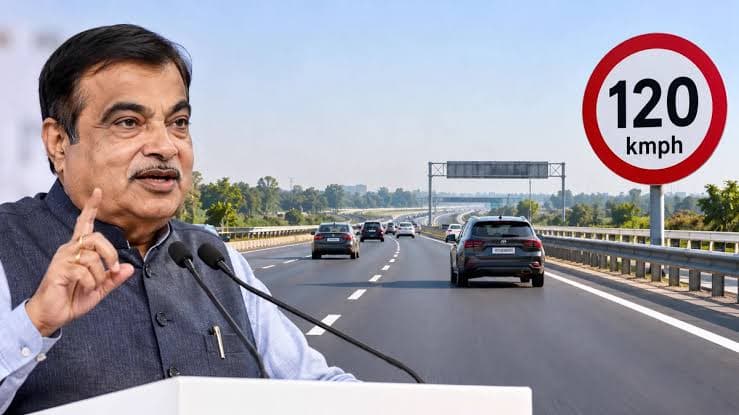
Gadkari-ji has proposed a new rule: allowing drivers to exceed the prescribed speed limits on expressways by up to 20% without getting a challan. Yes, you heard that right – a 20% buffer. This isn't a done deal yet, it's still a proposal, but it’s certainly sparked a huge discussion among us driving enthusiasts and everyday commuters alike. Is this the practical solution we've been waiting for, or a slippery slope towards more chaos on our roads?
Why This Proposal Matters Now
Let's be honest, India's road network has transformed dramatically over the past decade. We've gone from pothole-ridden two-laners to multi-lane expressways that rival some of the best globally. Think about the Delhi-Mumbai Expressway or the Purvanchal Expressway – these aren't your grandpa's highways. They're built for speed, designed for efficient travel, and frankly, driving at 100 km/h on them often feels like you're crawling, especially in a modern car.
The core of this proposal stems from a clear disconnect. Our current speed limits were largely set when road infrastructure wasn't as advanced, and vehicle technology wasn't as sophisticated. Now, with cars boasting better braking, stability, and safety features, and roads built to higher engineering standards, sticking rigidly to older limits feels a bit archaic. We've all been there: doing 110 km/h on a road designed for 120-140 km/h, constantly glancing at the rearview mirror for a lurking speed gun (and honestly, it shows).
Gadkari-ji's argument is straightforward: if the road quality allows for higher speeds, why penalize motorists for driving a little faster within a reasonable margin? It aims to address the common frustration of receiving challans for minor infringements, which often feel unfair given the road conditions. This isn't about promoting reckless driving; it's about acknowledging the reality of modern Indian highways and the capabilities of today's vehicles. It's about bringing policy in line with progress, and for many, that's a welcome change.
The Safety vs. Practicality Debate
Now, while the idea of a speed buffer sounds appealing, it immediately raises the age-old debate: safety versus practicality. India's road accident statistics are grim, among the highest in the world. So, any talk of increasing speed limits, even indirectly, is bound to trigger alarm bells.
Here's the thing — this proposal isn't a blanket permission to disregard speed limits. It's a tolerance margin, a recognition that real-world driving isn't always perfectly precise. If the limit is 100 km/h, driving at 110-120 km/h wouldn't be penalized. This could significantly reduce the number of minor speeding tickets, freeing up enforcement resources for truly dangerous driving – the kind that involves rash overtakes, lane cutting, and extreme speeds. It's about differentiating between a driver who's slightly over the limit and one who's driving dangerously.
However, the challenge lies in communication and enforcement. How do you ensure drivers understand this is a margin and not a new, higher speed limit? There's a fine line between giving a practical buffer and inadvertently encouraging people to push limits further. Education will be key. We don't want people interpreting 120 km/h on a 100 km/h road as the new minimum speed, do we?
Key Proposal Details At A Glance
Here's a quick rundown of what's been proposed:
Aspect | Details |
|---|---|
What's Proposed? | Allowing motorists to exceed prescribed speed limits by up to 20% without penalty. |
Where? | Primarily on Expressways; potential extension to National Highways (TBA). |
Who Proposed It? | Union Minister for Road Transport and Highways, Nitin Gadkari. |
Current Status | A proposal; not yet an enacted law. |
Primary Goal | Reduce minor speeding challans, align rules with modern infrastructure, improve traffic flow. |
Expected Impact | Potentially fewer penalties for slight over-speeding, more realistic driving conditions. |
What Does This Mean for Indian Drivers?
For us, the folks behind the wheel, this proposal could mean a real shift in how we approach expressway driving. Imagine this: you're on a fantastic stretch of road, your car feels planted, and you're maintaining a steady 115 km/h in a 100 km/h zone. Currently, that's a fine waiting to happen. With this buffer, that same speed becomes acceptable, reducing that nagging anxiety about a speed camera around the next bend.
It's about making the driving experience on our top-tier roads more fluid and less punitive for minor deviations. This isn't about giving a free pass to drive like a maniac, but about rationalizing the rules. Many developed countries have similar tolerance margins built into their speed enforcement systems, acknowledging that a few km/h over the limit isn't necessarily dangerous. It brings India's approach a bit closer to global norms, where infrastructure and vehicle capabilities are truly leveraged.
However, and this is crucial, it demands a higher degree of personal responsibility from every driver. A 20% margin isn't an invitation to drive recklessly; it's a window of flexibility. You'll still need to maintain safe distances, be aware of road conditions, and drive within your vehicle's and your own capabilities. The onus will be on us to use this flexibility wisely, ensuring safety remains paramount.
The Good And The Not-So-Good
What We Like
- Realistic Limits: Finally acknowledges the capabilities of modern cars and expressways. Driving at 100 km/h on a smooth, empty six-lane highway often feels too slow.
- Fewer Petty Challans: This could drastically reduce the number of fines issued for marginal over-speeding, which often felt like revenue generation rather than safety enforcement.
- Smoother Traffic Flow: When everyone is driving at a more consistent, slightly higher speed (within safe limits), it can actually improve traffic flow and reduce congestion caused by sudden braking.
- Modern Approach: Aligns India's traffic regulations more closely with international best practices for modern road networks.
What Could Be Better
- Clarity in Communication: The government needs to clearly communicate that this is a buffer, not a new, higher speed limit. Misinterpretation could lead to genuine over-speeding.
- Enforcement Consistency: Will all states and police departments apply this uniformly? In India, that's always a concern.
- Risk of Misuse: There's a real danger that some drivers might see this as a license to push even harder, leading to unsafe speeds beyond the buffer.
- Impact on Different Vehicles: Will this 20% margin apply to all vehicle types, including heavy commercial vehicles and buses? Their dynamics are very different.
- Driver Education: This proposal must come hand-in-hand with renewed focus on driver training and responsible driving campaigns.
Implementation Timeline & What's Next
Let's be clear: this is still a proposal. It's not a law that's come into effect overnight, so don't go testing it out tomorrow! Gadkari-ji's suggestion will now likely go through various rounds of discussions with relevant ministries, state transport departments, and legal experts. There's a legislative process involved, which means it could take some time to be formalized and implemented across the country.
Expect debates, consultations, and possibly some tweaks to the initial idea. The government will need to consider all angles – from legal implications to public safety concerns, and how it will impact accident data. We'll be keeping a close eye on the developments and will bring you updates as soon as anything concrete emerges. Until then, stick to the currently posted speed limits to avoid any unwanted challans!
Our Verdict
In my opinion, Gadkari-ji's proposal for a 20% speed buffer on expressways is a step in the right direction, a much-needed dose of practicality for modern Indian roads. For too long, we've had advanced infrastructure held back by outdated rules. This isn't about promoting reckless speed; it's about acknowledging the reality of how people drive on good roads and the capabilities of today's cars.
However, the success of this policy will hinge entirely on its implementation. The government needs to ensure crystal-clear communication that this is a tolerance margin, not an invitation to hit warp speed. Coupled with robust enforcement against truly dangerous driving and continuous driver education, this could lead to a more logical, less frustrating driving experience on our expressways. Without that careful balance, this well-intentioned proposal could easily become another point of confusion or, worse, a safety concern. But for now, it's certainly a conversation we needed to have.