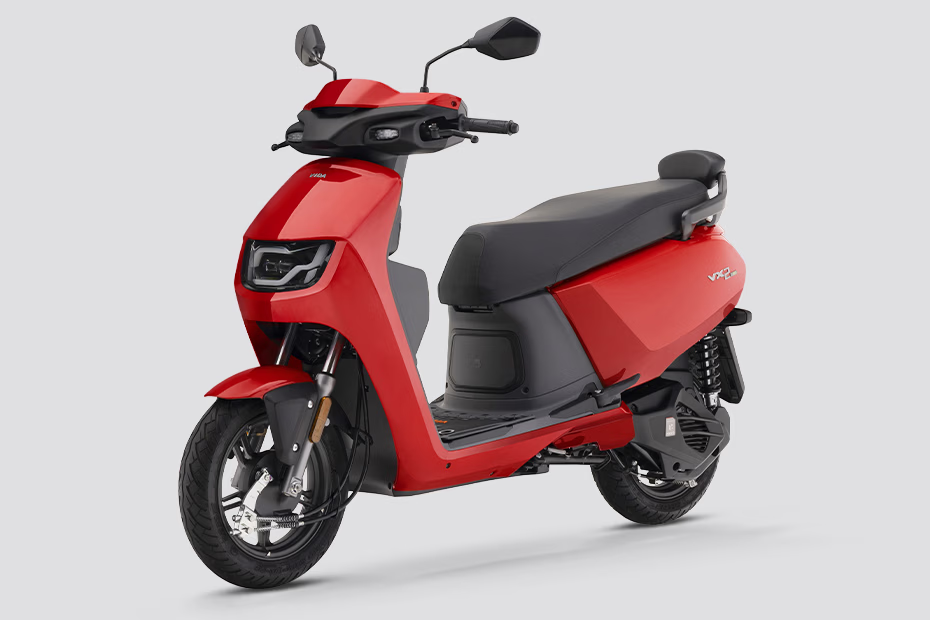
What's The Big News?
Hero MotoCorp, the undisputed king of commuter bikes in India, is gearing up for a massive shift. We've just heard that they're set to unleash their first mainstream electric motorcycle by 2027. This isn't a premium, niche offering; we're talking about an EV bike designed to appeal to the millions who ride Hero everyday.
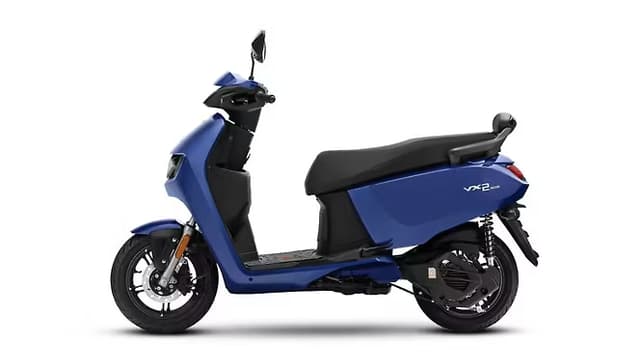
Forget the Vida scooters for a moment; this is about a proper electric bike hitting our roads, aiming to capture the hearts of the vast Indian two-wheeler market. It's a big deal for the industry, especially as the EV transition gathers serious momentum. Hero's entry could truly democratize electric motorcycling in India.
The Road Ahead: Hero's Electric Motorcycle Strategy
For years, we've seen Hero dip its toes into the EV waters with the Vida V1 scooter. It's been… well, an interesting start, let's say, but not exactly a market leader. But a mainstream electric motorcycle is a whole different ball game. This isn't just a tweak to an existing product; it's a fundamental shift in strategy for India's biggest bike maker.
We're talking about a motorcycle designed for everyday use – commuting, city rides, maybe even some light highway duties, much like their popular petrol commuters. It's not going to be a niche product for early adopters; Hero will be gunning for volumes. This means accessible pricing, reliable performance, and most importantly, leveraging their massive service network, which honestly, is Hero's undisputed strong suit across the country.
The 2027 timeline gives them a good few years to refine the tech, build out charging infrastructure partnerships, and truly understand the evolving market demands. They've seen how other players, both big and small, have struggled and succeeded in the EV two-wheeler space. So, they'll likely be bringing a well-thought-out, robust product to the table, hoping to avoid the pitfalls others have faced. They've got the R&D muscle and manufacturing prowess, so the potential here is immense.
What Can We Expect From This Vida EV Bike?
Alright, let's talk expectations. While concrete specs are still under wraps (and honestly, they're years away from being finalized), we can make some educated guesses based on the market trends and Hero's brand DNA. This won't be a performance monster like some of the premium EVs out there. Instead, think practical, efficient, and robust – a reliable workhorse for the electric age.
Expect a strong focus on range that makes sense for the average Indian commuter, perhaps something in the 100-150 km real-world range, similar to what we see with many successful electric scooters today. Charging times will be crucial too; fast charging capabilities, even if optional, would be a huge plus for daily usability. Battery swapping, a technology Hero has invested in, could also make an appearance.
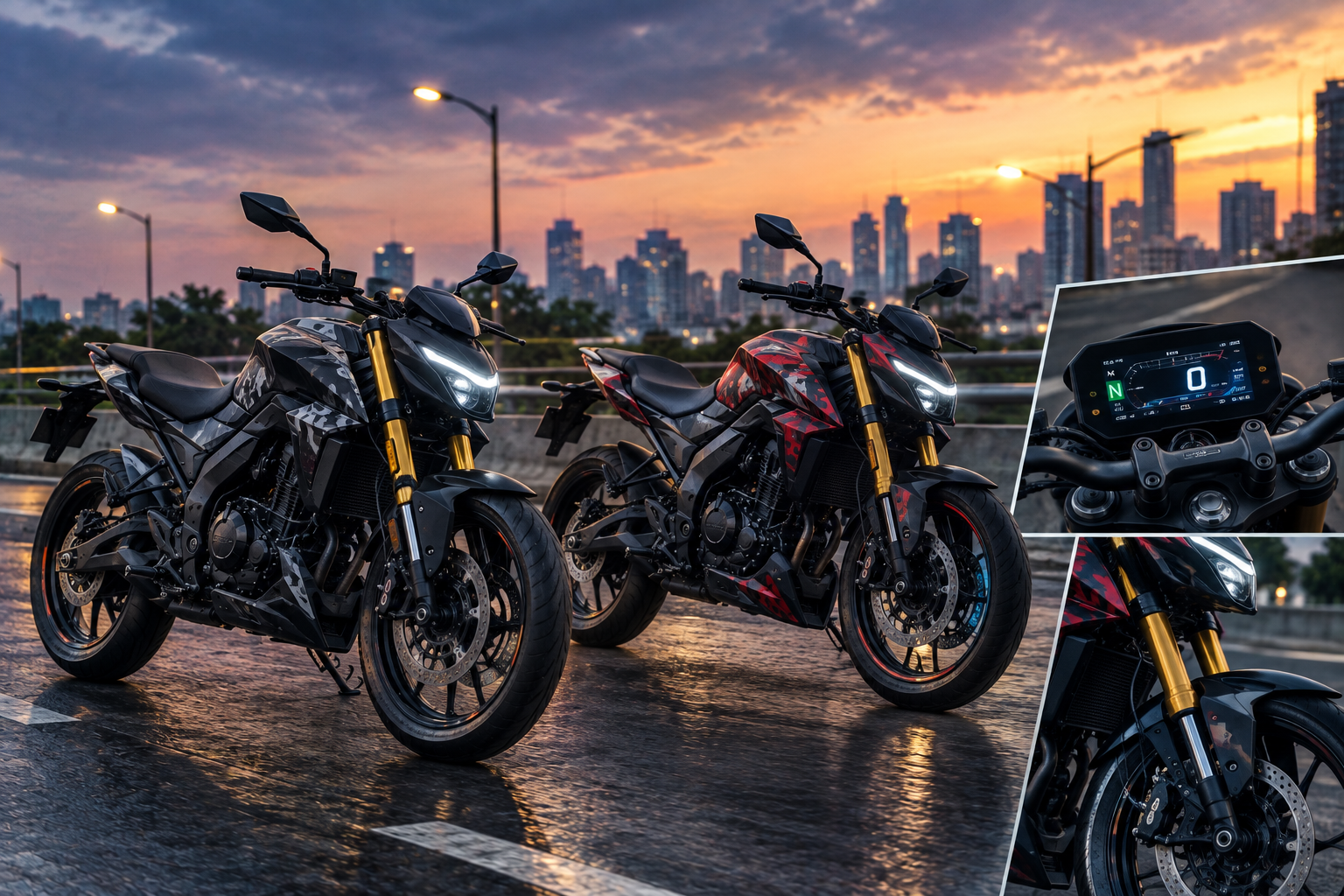
Styling-wise, it's anyone's guess, but Hero usually plays it safe and appealing to the masses. We might see something that blends modern EV aesthetics with traditional motorcycle ergonomics – comfortable for two-up riding, easy to maneuver in traffic. And of course, connectivity features will be a given – turn-by-turn navigation, ride stats, remote diagnostics, all the usual suspects we're seeing in new-age two-wheelers. Safety features like ABS (at least single-channel) should be standard, considering the mass-market segment it's likely targeting.
Specs At A Glance
Feature | Details |
|---|---|
Launch Year | Expected 2027 |
Brand | Vida (Hero MotoCorp) |
Type | Mainstream Electric Motorcycle |
Target Market | Indian Commuters |
Key Focus | Accessibility, Reliability, Practical Range |
Battery & Motor | Official figures TBA |
Expected Real-World Range | Likely 100-150 km |
Charging Capabilities | Details TBA, fast charging expected |
Connectivity Features | Expected (navigation, ride stats etc.) |
Safety Features | ABS expected (at least single-channel) |
How Does It Stack Up Against The Competition?
By 2027, the Indian electric motorcycle landscape will be significantly more crowded than it is today. We've already got players like Revolt with their RV400, Tork with the Kratos, and Oben with the Rorr carving out niches. New entrants like Ultraviolette are pushing performance, while established players like TVS and Bajaj are also expected to have more robust electric bike offerings by then.
The Revolt RV400, for instance, has carved out a niche with its unique battery swap model and decent performance. Tork Kratos offers a more premium feel and better performance, though its reach is limited. Hero's challenge will be to offer something compelling that stands out, not just another me-too product. Their biggest advantage? The Hero badge itself and their unparalleled sales and service network across the length and breadth of India. That's a massive trump card, something most EV startups can only dream of matching. They'll need to leverage this trust and reach with a product that truly delivers on its promises.
The Good And The Not-So-Good
What We Like
- Hero's massive reach: An unmatched sales and service network across India will be a huge confidence booster for potential buyers.
- Focus on mainstream: Targeting the masses means potentially affordable pricing and practical, everyday features.
- Learning from others: Hero has time to observe market trends and refine its product based on competitor successes and failures, hopefully avoiding common EV pitfalls.
- Vida brand potential: A successful electric motorcycle could give the Vida brand the significant boost and credibility it currently lacks.
What Could Be Better
- 2027 launch is a bit late: Competitors will have a significant head start and established user bases by then. They'll be playing catch-up.
- Vida's current performance: The V1 scooter hasn't exactly set the world on fire; they need to significantly step up their EV game for a motorcycle.
- Risk of being 'safe': Hero's tendency to play it safe might result in a product that's good but not groundbreaking enough to truly disrupt the market.
- Uncertainty of specs: With so much time till launch, specs could change dramatically, or rivals could leapfrog them with newer tech.
Price & When You Can Buy It
As of now, specific pricing details are obviously under wraps. With a 2027 launch timeframe, anything we say would be pure speculation. However, given Hero's mass-market strategy, we expect it to be competitively priced. It'll likely aim for a sweet spot that makes it accessible to a large segment of Indian buyers, perhaps in the ₹1.2 lakh to ₹1.8 lakh (ex-showroom) range, depending on battery capacity, range, and features. Think of it competing with petrol bikes in the 125cc-160cc segment.
You'll be able to get your hands on this electric motorcycle sometime in 2027. We'll keep you posted as Hero releases more official information and teasers closer to the launch date. Stay tuned to CarBikeGPT.com for all the updates!
Our Verdict
Look, Hero entering the mainstream electric motorcycle space is a crucial development for the Indian EV market. While 2027 feels like a long wait, it also gives them ample time to get it right. They've got the brand equity and the distribution muscle to make a real impact, provided they bring a compelling product to the table that genuinely meets rider needs. Honestly, if they can deliver a reliable, practical, and affordable electric motorcycle with a decent real-world range and Hero's legendary service, it could be a game-changer. But the competition won't be sitting idle, and Hero needs to ensure this Vida EV bike isn't just another entrant, but a true contender. The next few years will be interesting, and we'll be watching closely to see what they cook up.