What's The Big News?
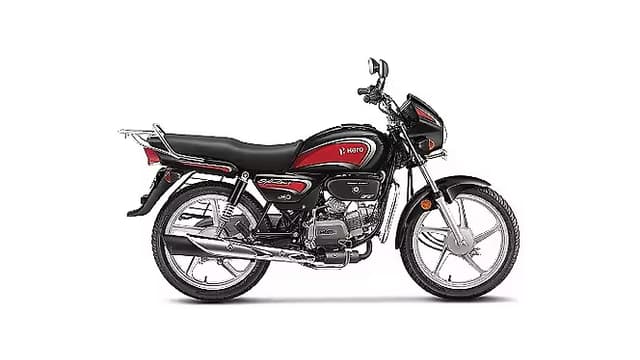
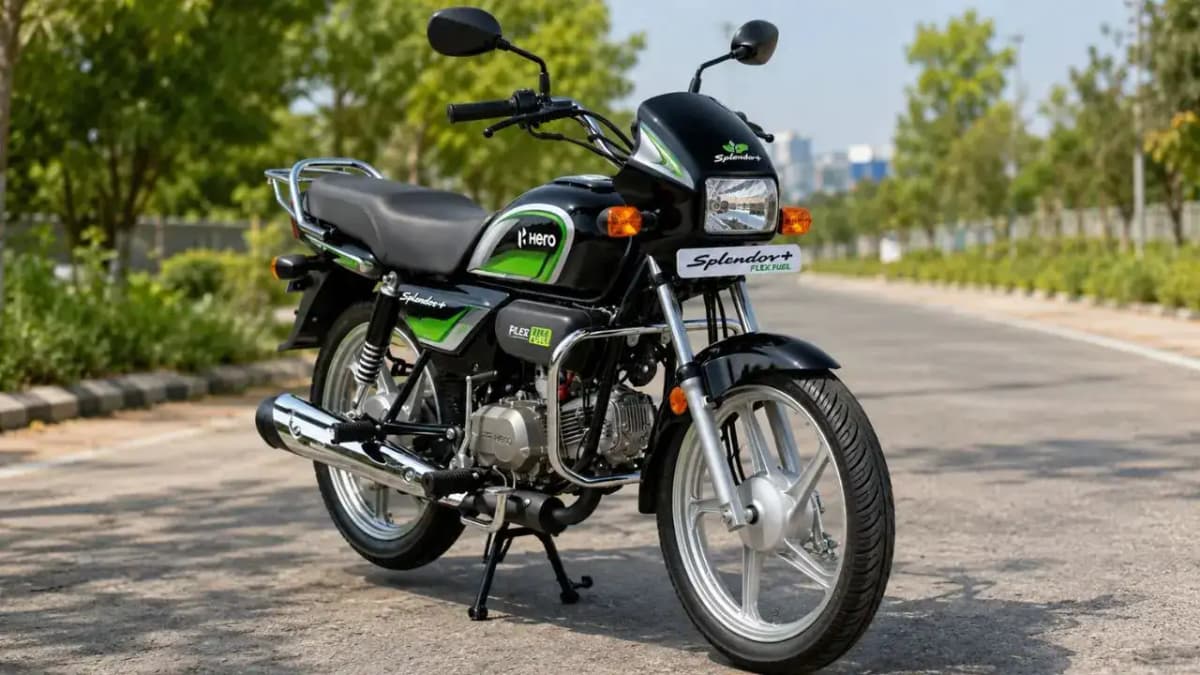
Alright, listen up, folks! Hero MotoCorp, the undisputed king of the commuter segment, just made a seriously big move. They've officially launched flex-fuel versions of their two workhorses: the Splendor+ and the HF Deluxe. This isn't some concept bike or a faraway dream; these are real machines you can buy, and they're designed to handle ethanol blends from E20 all the way up to E85.
For the average Indian rider, the guy who covers kilometres daily and watches every rupee, this is massive. Fuel costs are always a headache, right? Well, Hero's betting that flex-fuel tech will help ease that pain, and honestly, it shows they're listening to what the market needs. They're starting the rollout in Delhi and select areas of Maharashtra from July 2024, so if you're in those regions, you can get your hands on one soon.
Hero's Flex-Fuel Play: What's Under the Hood?
So, what exactly does 'flex-fuel' mean for your Splendor+ or HF Deluxe? Simply put, these bikes come with engines specifically engineered to run on a mix of petrol and ethanol. The existing, super-reliable engines that power millions of commuters across India have been tweaked. We're talking about modifications to the fuel system, the engine's internal components, and crucially, the Engine Control Unit (ECU) to ensure it can detect and adapt to varying ethanol-petrol ratios seamlessly.
This isn't just about reducing dependence on fossil fuels, though that's a big part of it. The real draw for the end-user is the potential for lower running costs, especially if ethanol becomes widely and affordably available. You're getting the same bulletproof reliability Hero is known for, but now with a clever twist that could save you money at the pump. Don't expect a radical increase in power or a huge design overhaul; the focus here is on fuel adaptability and efficiency.
Beyond the Fuel: What Else is New?
Now, while the flex-fuel capability is undoubtedly the headline act, don't go expecting a host of other flashy new features with these versions. The primary upgrade here is the engine's ability to run on ethanol blends. Hero knows its audience for these bikes: they want dependability, fuel efficiency, and low maintenance, not necessarily a digital instrument cluster or fancy LED lights. This is a practical upgrade for a practical segment, and it's aimed at long-term savings.
This move also positions Hero smartly for the future. With India pushing for more sustainable fuel alternatives, getting their highest-selling models ready for ethanol is a strategic masterstroke. It ensures their bikes remain relevant and appealing even as fuel policies evolve. It's a testament to Hero's understanding of the Indian market — they're not just selling a bike; they're selling peace of mind and potentially, a lighter load on your wallet.
Specs At A Glance
Feature | Splendor+ Flex-Fuel | HF Deluxe Flex-Fuel |
|---|---|---|
Fuel Compatibility | E20 to E85 | E20 to E85 |
Engine | TBA (Expected 97.2cc Air-cooled, 4-stroke, Single Cylinder) | TBA (Expected 97.2cc Air-cooled, 4-stroke, Single Cylinder) |
Power | TBA | TBA |
Torque | TBA | TBA |
Starting Price (Ex-showroom, Delhi) | ₹82,710 | ₹72,792 |
Availability | Delhi, select Maharashtra regions | Delhi, select Maharashtra regions |
How Does It Stack Up Against The Competition?
Here's where Hero really takes an early lead. In the fiercely competitive 100-110cc commuter segment, bikes like the Bajaj Platina and TVS Radeon are strong contenders. They offer good mileage, competitive pricing, and robust build quality. However, none of them currently offer flex-fuel capability. Hero, by launching flex-fuel versions of the Splendor+ and HF Deluxe, has carved out a unique selling proposition right out of the gate.
This isn't just a minor update; it's a significant technological differentiator. While other manufacturers might eventually follow suit, Hero has stolen a march, especially in the crucial budget-conscious segment. For a rider comparing options, the potential for reduced running costs with ethanol blends could be a powerful deciding factor that rivals simply can't match right now.
The Good And The Not-So-Good
What We Like
- Future-Proof Technology: Ready for India's evolving fuel landscape.
- Potential for Savings: Ethanol blends could mean lower running costs.
- Reliability Intact: Built on the trusted platforms of Splendor+ and HF Deluxe.
- Early Mover Advantage: Hero leads the charge in mass-market flex-fuel bikes.
- Environmental Benefits: Reduced emissions with ethanol usage.
What Could Be Better
- Limited Availability: Only Delhi and select Maharashtra regions for now.
- Ethanol Infrastructure: Widespread availability of E85 might take time.
- No Other Major Updates: Primarily a fuel system upgrade, not a complete overhaul.
- Performance Impact: Unclear how higher ethanol blends will affect long-term performance or mileage (official figures awaited).
Price & When You Can Buy It
Let's talk brass tacks. The Hero Splendor+ Flex-Fuel starts at ₹82,710, and the HF Deluxe Flex-Fuel comes in at ₹72,792 (both ex-showroom, Delhi). These prices are competitive, especially considering the advanced fuel technology you're getting. You'll be able to buy these bikes from Hero dealerships in Delhi and specific parts of Maharashtra, with sales kicking off in July 2024. For those outside these regions, we'll have to wait and see when Hero decides to expand the rollout, but this is a solid start.
Our Verdict
Look, the Hero Splendor+ and HF Deluxe are legends for a reason — they're affordable, dependable, and incredibly efficient. Adding flex-fuel capability only strengthens their appeal, especially for the millions of daily commuters who are always looking for ways to save a buck. This isn't just about new tech; it's about practical solutions for real-world problems like rising fuel prices. Honestly, this is a smart move by Hero, tackling the very real concern of fuel costs for the common man head-on. If you're in the market for a no-nonsense commuter bike and want to future-proof your ride against fluctuating petrol prices, these new flex-fuel models deserve a serious look. They're not just bikes; they're a statement about sustainable, affordable mobility for the masses.