What's The Big News?
Hyundai isn't sitting back while Tata dominates the small SUV and entry-level EV game. South Korea's automotive giant is cooking up two massive weapons for India: an all-new compact crossover based on the global Bayon platform, and a purpose-built micro-EV designed to dethrone the Tata Punch EV.
If you've been eyeing an upgrade from a hatchback, these upcoming Hyundai offerings might change your plans completely. We've got the scoop on what Hyundai is planning, how these machines fit into the Indian lineup, and why Tata Motors should be paying close attention.
Hyundai's Bayon Crossover Strategy: What Is It?
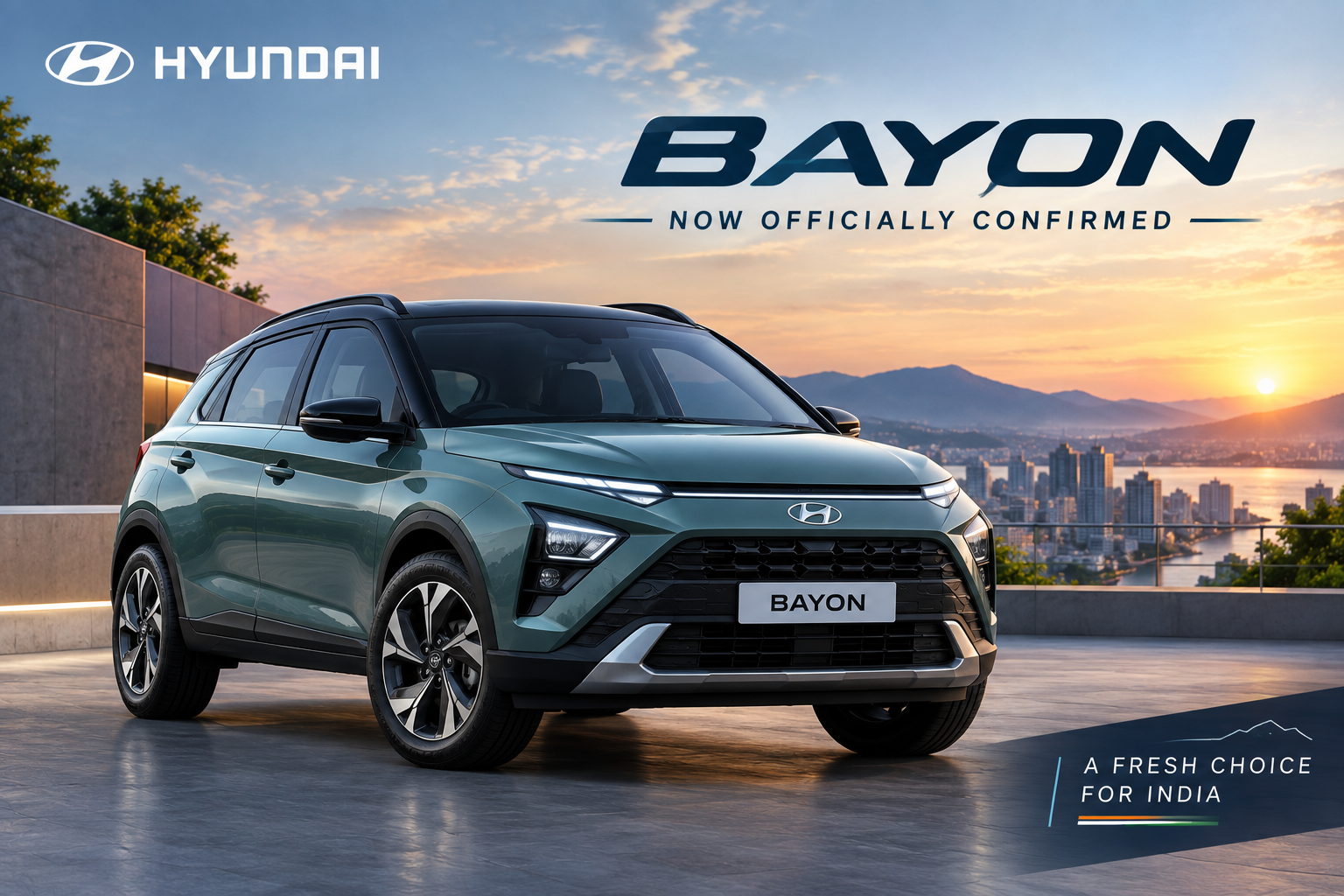
Let me break down the Bayon first. Overseas, the Bayon is essentially Hyundai's stylish crossover built on the i20 platform. Think of it as a sleek, high-riding hatchback that bridges the gap between the Grand i10 Nios and the Venue (and honestly, it's about time Hyundai brought something fresh to this price bracket).
For India, Hyundai isn't expected to just import the European-spec car line-by-line. Instead, we'll likely get a heavily localized crossover derived from the Bayon's design language and architecture. This means rugged body cladding, high ground clearance, and that striking split-headlamp design Hyundai is known for. Under the hood, expect familiar petrol options—possibly the trusty 1.2-litre Kappa atmospheric motor or the punchy 1.0-litre turbo petrol, paired with manual and automatic gearbox options.
Taking On The Punch EV: Hyundai's Micro-EV Gameplan
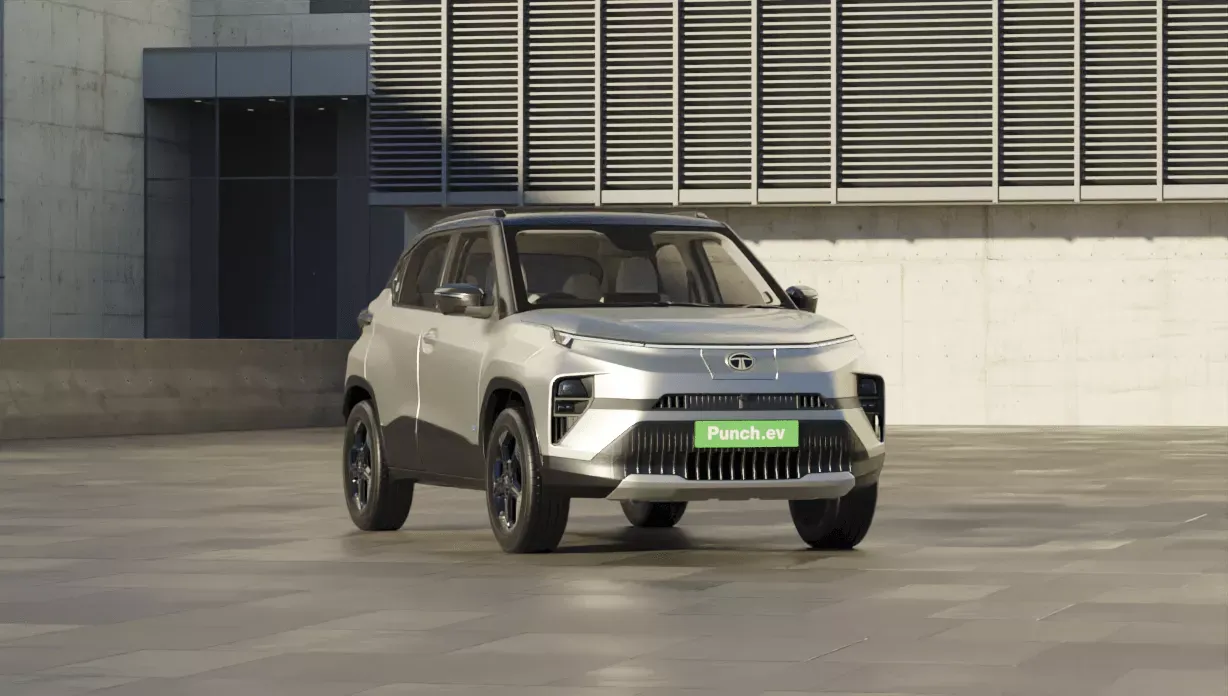
While the ICE Bayon derivative targets buyers looking for a stylish urban crossover, the real headline maker is Hyundai's upcoming micro electric SUV. Tata Motors currently rules the roost with the Punch EV, leaving rivals scrambling to get a piece of the pie. Hyundai knows this all too well and isn't willing to let Tata hold the monopoly.
This new electric vehicle will likely share its underpinings with Hyundai's localized small vehicle platforms or an adapted version of the Casper/Inster EV architecture seen globally. You can expect a realistic real-world range around 250 to 300 km on a single charge, fast-charging capabilities, and a cabin loaded with tech to shame cars costing twice as much.
Specs At A Glance
Feature / Spec | Bayon-based SUV (ICE) | New Micro EV (Punch EV Rival) |
|---|---|---|
Body Style | Sub-4m Crossover / SUV | Micro Electric SUV |
Engine / Motor | 1.2L Petrol / 1.0L Turbo Petrol (Expected) | Single Electric Motor (TBA) |
Battery Capacity | N/A | Expected 25-35 kWh |
Estimated Range | N/A | 250 - 300 km (Expected) |
Transmission | 5-speed MT / AMT / DCT (Expected) | Single-speed Automatic |
Expected Launch | Late 2025 / Early 2026 | 2026 |
How Does It Stack Up Against The Competition?
Maruti Suzuki's Fronx has already proven that Indian buyers love coupe-like, high-riding crossovers derived from hatchbacks. Hyundai's Bayon-based SUV will go straight after the Fronx, Toyota Taisor, and upper variants of the Tata Punch. With Hyundai's reputation for refined engines and feature-packed cabins, it could pose a severe threat to Maruti's monopoly in this crossover niche.
On the electric front, the upcoming Hyundai micro-EV will go head-to-head with the Tata Punch EV and Citroen eC3. Tata currently enjoys first-mover advantage, but Hyundai's superior infotainment tech, better fit-and-finish, and robust warranty packages could tip the scales for urban buyers who want hassle-free EV ownership.
The Good And The Not-So-Good
What We Like
- Fresh design language that stands out from typical boxy sub-4m SUVs
- Feature-packed interiors expected, including touchscreen, connected car tech, and digital cluster
- Proven engine options likely borrowed from Hyundai's existing reliable lineup
- Much-needed direct competition to the Tata Punch EV
What Could Be Better
- Cabin space might be closer to a premium hatchback than a full-sized compact SUV
- Top-spec turbo petrol and EV variants could carry a premium price tag
Price & When You Can Buy It
Official pricing figures are yet to be revealed by Hyundai India. However, going by market position, the Bayon-based petrol SUV is expected to start around ₹7 lakh to ₹8 lakh (ex-showroom), topping out near ₹11 lakh for the fully loaded turbo variant.
As for the electric rival to the Punch EV, pricing will likely be announced closer to its official debut, but we expect it to sit in the ₹10 lakh to ₹14 lakh range. Official debuts for both vehicles are expected between late 2025 and 2026.
Our Verdict
Here's the thing — Hyundai knows how to read the Indian car buyer better than almost anyone else. They saw how Maruti took off with the Fronx and how Tata captured the entry EV market with the Punch EV, and now they're ready to make their move. If you're planning to buy a micro-SUV or a budget electric car in the next year or two, keep your eye on Hyundai—they're about to make this segment very exciting.