What's The Big News?
If you grew up in India during the 2000s, the distinct exhaust note of a Pulsar 150 is probably etched into your core memories. It wasn't just another commuter motorcycle; it was every college student's dream ride and the poster child of affordable performance. Fast forward to today, and Bajaj is finally giving this iconic legend the comprehensive remake it has desperately needed for years.
Dealership floors are already receiving stock ahead of the official debut scheduled for August 12, 2026, and clear, undisguised pictures have surfaced online. The wait is almost over for motorcycle enthusiasts across the country. Let's dive into what this brand-new machine brings to the table and whether it has what it takes to reclaim its crown in the highly competitive 150cc segment.
Design Overhaul: Old School Charm Meets Modern Sharpness
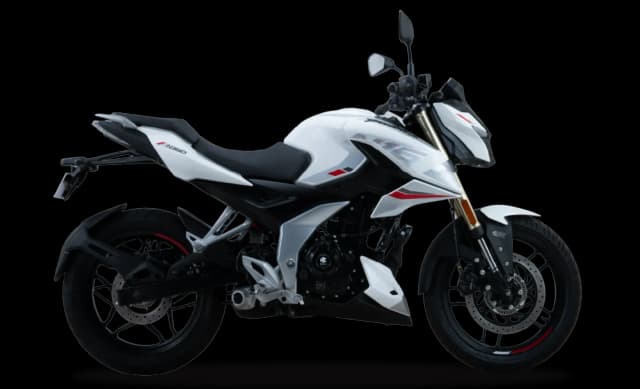
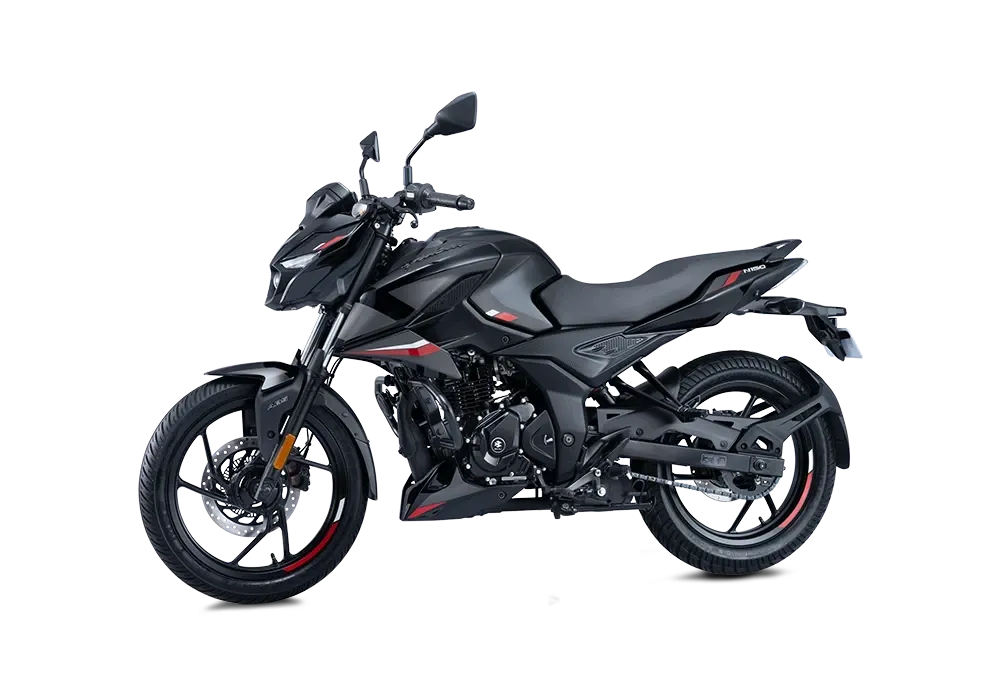
Staring at the leaked dealership images, one thing hits you right away — Bajaj didn't just slap on a new set of graphics and call it a day. The entire silhouette gets a much sharper, more aggressive visual treatment that aligns closely with the brand's newer N-series family. You get an updated headlight cowl, sculpted side shrouds, and a redesigned fuel tank that maintains the muscular stance Indian buyers have loved for decades.
Look closer at the handlebar area, and you'll spot a modern digital instrument cluster replacing the classic semi-digital unit we've stared at for over ten years (and honestly, it shows how much ground Bajaj needed to cover against TVS). The alloy wheel design, tail section, and exhaust end-can also sport clean, modernized lines that give the motorcycle a fresh lease on life without losing its signature silhouette.
Engine & Underpinnings: What To Expect
Mechanics and detailed hardware specifications are still under wraps officially, but the visible components tell a compelling story. The frame structure looks refined, while the front suspension relies on robust telescopic forks paired with twin gas-charged rear shock absorbers. Braking duties on the spotted model are handled by a front disc setup equipped with single-channel ABS, while the rear gets a standard setup designed for cost-conscious buyers.
Under the fuel tank, we expect a tweaked air-cooled, single-cylinder engine tuned specifically to deliver punchy low-end torque while squeezing out maximum kilometers per liter. It won't break land speed records, but for navigating chaotic city traffic during weekday commutes and taking casual weekend highway runs without burning a hole in your pocket, this engine formula has always been a winner.
Specs At A Glance
Feature / Spec | Details |
|---|---|
Engine Type | Air-cooled, single-cylinder (Expected) |
Displacement Class | 150cc Segment |
Maximum Power | TBA |
Maximum Torque | TBA |
Instrument Console | Fully Digital Display |
Braking System | Front Disc with ABS / Rear Drum or Disc |
Official Launch Date | August 12, 2026 |
How Does It Stack Up Against The Competition?
Bringing a updated 150cc motorcycle into the Indian market today means stepping straight into a dogfight. The TVS Apache RTR 160 2V has been taking a huge bite out of Pulsar's market share with its feature-packed digital consoles and race-inspired styling. Apache buyers expect connected tech, aggressive exhaust notes, and sharp handling right out of the box.
Meanwhile, the Honda Unicorn continues to draw in sensible, conservative buyers who prioritize silky smooth engine refinement and bulletproof long-term reliability over sporty bodywork. For Bajaj to dominate this space once again, this new-gen Pulsar 150 must deliver the perfect middle ground: aggressive looks, modern convenience features, and bulletproof mechanical reliability at a price point that makes competitors sweat.
The Good And The Not-So-Good
What We Like
- Sharper, modern design language inspired by the newer Pulsar N-series
- Upgraded fully digital instrument cluster replacing the outdated semi-digital unit
- Time-tested comfortable riding posture suitable for daily city commutes
- Extensive Bajaj service network and affordable spare parts availability
What Could Be Better
- Official engine power and torque outputs are still kept under wraps
- Continues with standard telescopic forks instead of premium USD setups
- Segment rivals already offer Bluetooth connectivity and riding modes
Price & When You Can Buy It
Mark your calendars for August 12, 2026. That is the day Bajaj will formally take the wraps off this motorcycle, announce the official pricing, and open order books across dealerships nationwide. Since display units are already arriving at showroom stockyards, customer deliveries are expected to begin shortly after the official launch event.
Speaking of pricing, expect the new-gen Pulsar 150 to be slotted competitively in the ₹1.15 lakh to ₹1.25 lakh (ex-showroom) bracket. That pricing strategy places it comfortably above 125cc commuter bikes while keeping it well within reach for buyers who want extra performance without stretching their budget to 200cc territory.
Our Verdict
Here's the thing — Bajaj took its sweet time giving the iconic Pulsar 150 a real update, almost allowing its fiercest rivals to walk away with the segment. However, judging by these clear dealership leaks, the Indian two-wheeler giant is ready to reclaim its space with renewed vigor and sharper styling.
If you've been saving up your hard-earned cash for a stylish daily commuter that feels fresh and delivers reliable performance, holding off until August 12 is a smart move. This new generation might just prove that the classic Pulsar moniker still has plenty of fight left in it.