What's The Big News?
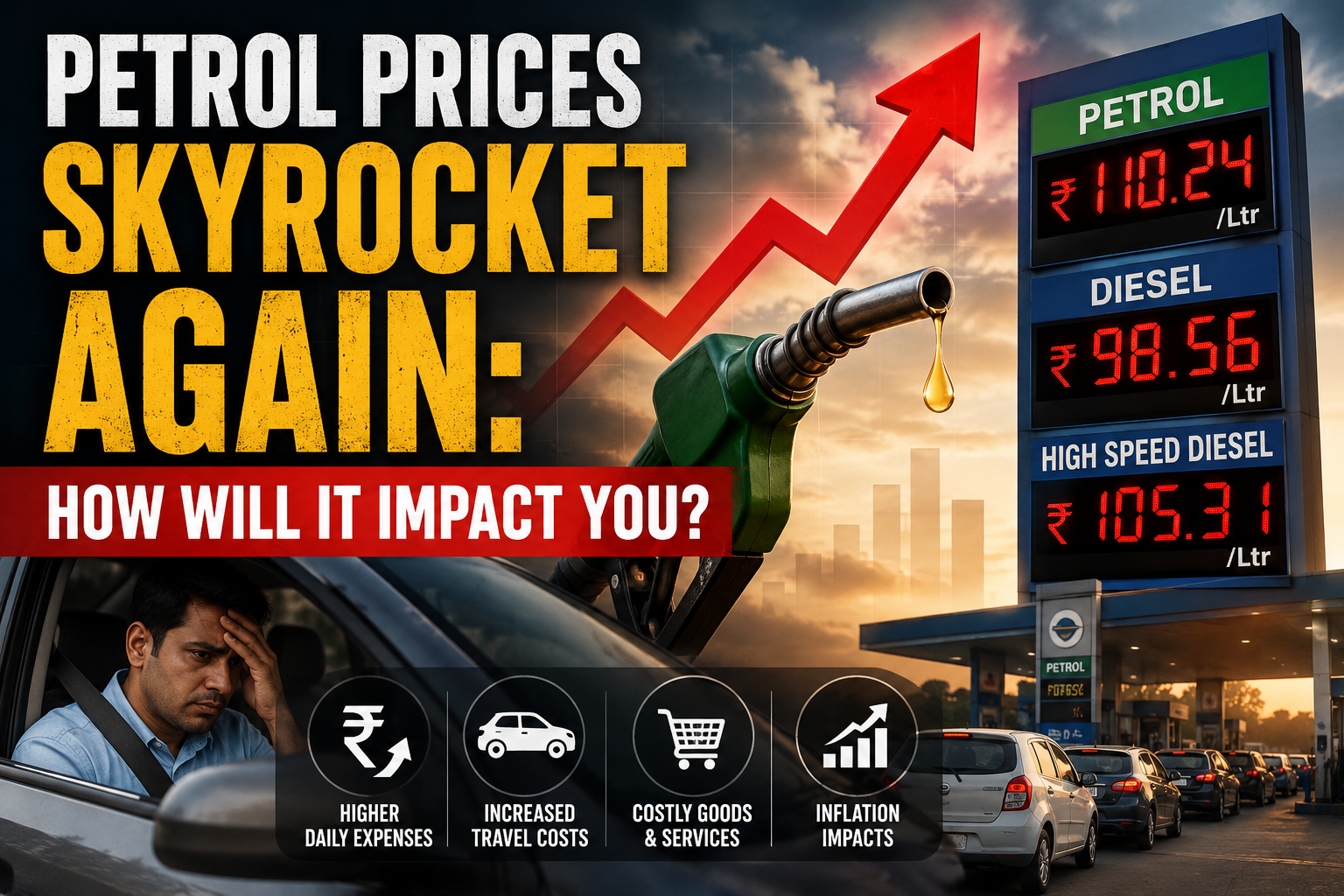
Another week, another petrol price hike. Seems like we just can't catch a break, can we? Prices have been hiked yet again, pushing petrol past ₹100 in Delhi. Your daily commute just got a whole lot more expensive.
This isn't just a minor blip; it's a significant increase that's going to impact everyone, from daily commuters to businesses relying on transportation. With petrol and diesel both seeing substantial jumps, the ripple effect will be felt across the board.
The Price Breakdown & What It Means
Let's get straight to the numbers. In Delhi, petrol prices have been hiked by ₹2.61 per litre. Diesel isn't far behind, with a ₹2.71 per litre increase. As of today, petrol costs ₹102.12 per litre, and diesel is at ₹95.20 per litre. This is the fourth increase we've seen in recent times, and it's starting to feel like a never-ending climb.
What does this mean for you? Well, if you're filling up your tank regularly, you're going to feel the pinch. Whether you're driving a Maruti Alto or a fancy BMW, the cost of fuel is going to eat into your monthly budget. It also affects the prices of essential commodities, as transportation costs rise for businesses.
The Broader Economic Impact
These hikes don't just affect individual car owners. They have a cascading effect on the entire economy. Increased transportation costs lead to higher prices for goods and services. This can fuel inflation and reduce consumer spending power. Small businesses, already struggling with the pandemic, will find it even harder to stay afloat.
For the auto industry, this could mean a shift in consumer preferences. People might start considering more fuel-efficient vehicles or even electric vehicles (EVs) to cut down on fuel costs. Used car sales may also see a boost as people look for more affordable options. Honestly, it's a complex situation with no easy solutions.
Specs At A Glance
Since this news is about prices, there aren't specific car specs to list. However, here's a general table showing the impact on your wallet depending on your car's fuel efficiency:
Car Type | Average Fuel Efficiency (kmpl) | Monthly Fuel Consumption (approx. 1000km driving) | Approx. Monthly Fuel Cost (Petrol @ ₹102/litre) |
|---|---|---|---|
Hatchback | 20 | 50 litres | ₹5,100 |
Sedan | 15 | 66.67 litres | ₹6,800 |
SUV | 12 | 83.33 litres | ₹8,500 |
How Does It Stack Up Against The Competition?
In this scenario, the 'competition' isn't about cars, but rather about alternative transportation options. Let's compare:
- Public Transport: Still the most affordable option, but often crowded and inconvenient.
- Electric Vehicles (EVs): Higher initial cost, but significantly lower running costs. An investment for the long term.
- CNG Vehicles: A decent compromise, but CNG availability is still limited in many areas.
The Good And The Not-So-Good
What We Like
- Forces us to consider more fuel-efficient options.
- May push for faster adoption of EVs.
- Encourages better public transport infrastructure (hopefully!).
What Could Be Better
- Increased financial burden on the common man.
- Potential for inflation and economic slowdown.
- Hits small businesses and transportation services hard.
Price & When You Can Buy It
There's no 'buying' involved here, unfortunately. You're already 'buying' petrol and diesel every time you fill up. The price is what it is: ₹102.12 for petrol and ₹95.20 for diesel in Delhi as of today. Expect these prices to fluctuate in the coming weeks.
Our Verdict
Look, these fuel price hikes are a serious concern. They affect everyone, from the average Joe commuting to work to businesses trying to stay afloat. While we can't control global oil prices, we can demand better policies and infrastructure that promote sustainable transportation options. It's time to seriously consider EVs or more fuel-efficient cars. In my opinion, the government needs to step in with some relief measures, or things could get very tough for a lot of people.