What's The Big News?
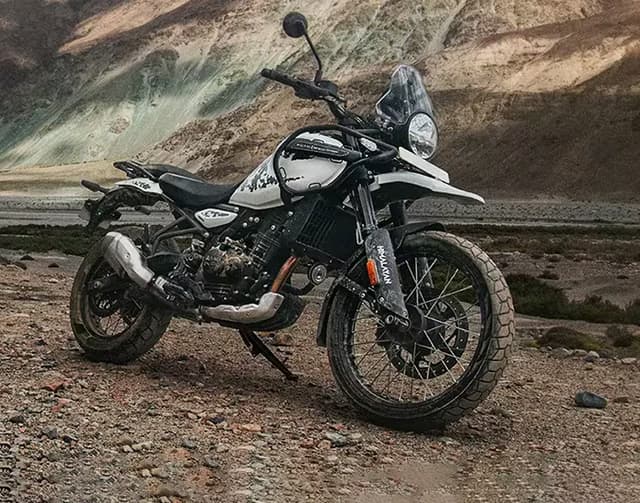
Alright folks, buckle up! You know how we've all been buzzing about Royal Enfield's electric plans? Well, it looks like the rumors are firming up, and the big news is that the legendary Himalayan is next in line for an electric avatar. This isn't just another concept bike; it's Royal Enfield taking a serious dive into the EV space with arguably their most capable and beloved platform.
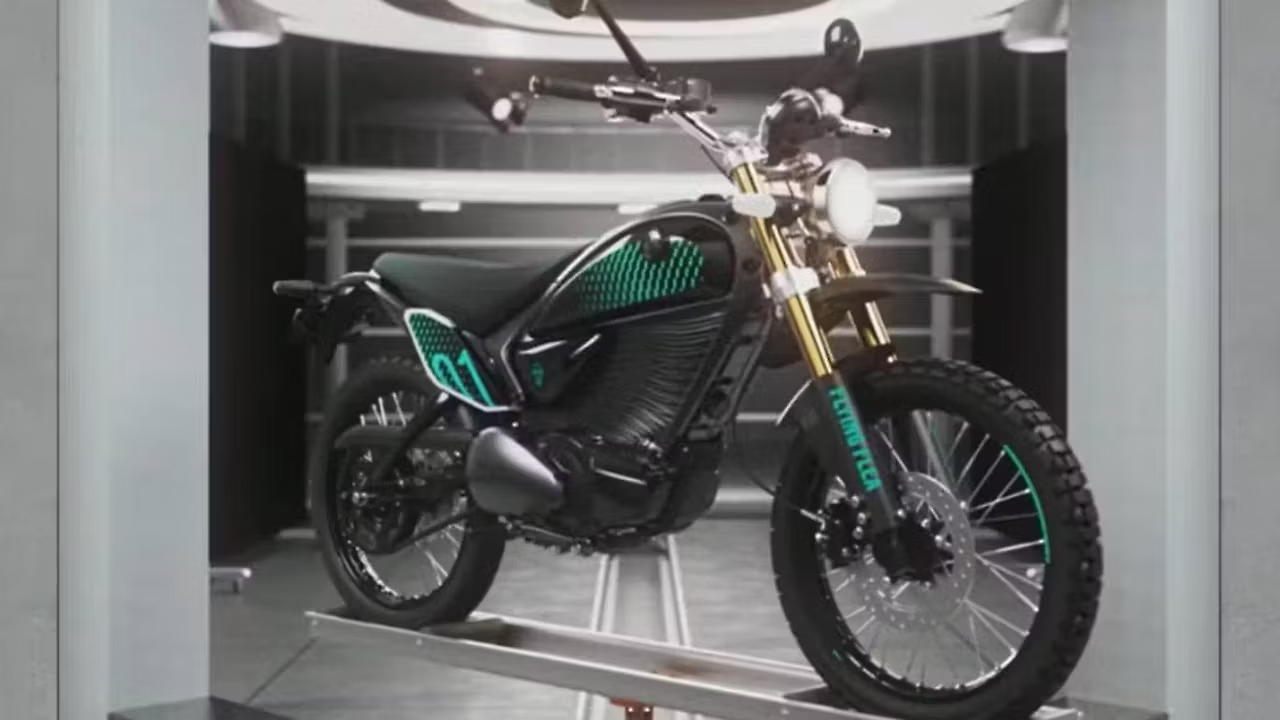
We're talking about a motorcycle that's tackled everything from Ladakh's high passes to Kerala's winding ghats. Now, imagine that same go-anywhere spirit, but with a silent, emissions-free powertrain. Royal Enfield's already dipped its toes in with the Flying Flea C6 earlier this year, proving they aren't shy about electrification. But the Himalayan EV? That's a whole different animal, and it's got everyone's attention.
The Electric Heart: Battery & Range Expectations
Here's where the rubber meets the road, or rather, where the battery meets the motor. Our sources indicate the Himalayan Electric is likely to pack a substantial 14 kWh battery pack. Now, that's a serious number for a motorcycle, especially an ADV. To put it in perspective, many electric scooters hover around the 2-4 kWh mark, and performance bikes like the Ultraviolette F77 are in the 10-12 kWh range. So, 14 kWh is quite generous, suggesting RE isn't playing around with range anxiety.
With a battery that big, the expected range is in the ballpark of 200-250 km on a single charge. Honestly, that's a pretty respectable figure for an electric adventure tourer. Think about it: a full tank of petrol on the current Himalayan gives you about 400-450 km. While 200-250 km isn't quite at that level yet, for daily commutes, weekend explorations, and even shorter multi-day trips with planned charging stops, it's very practical. It's better than what most current electric bikes offer you at this price point, that's for sure. The challenge will be how it performs off-road and with luggage, where energy consumption can spike dramatically.
Design & Performance: Will It Still Feel Like a Himalayan?
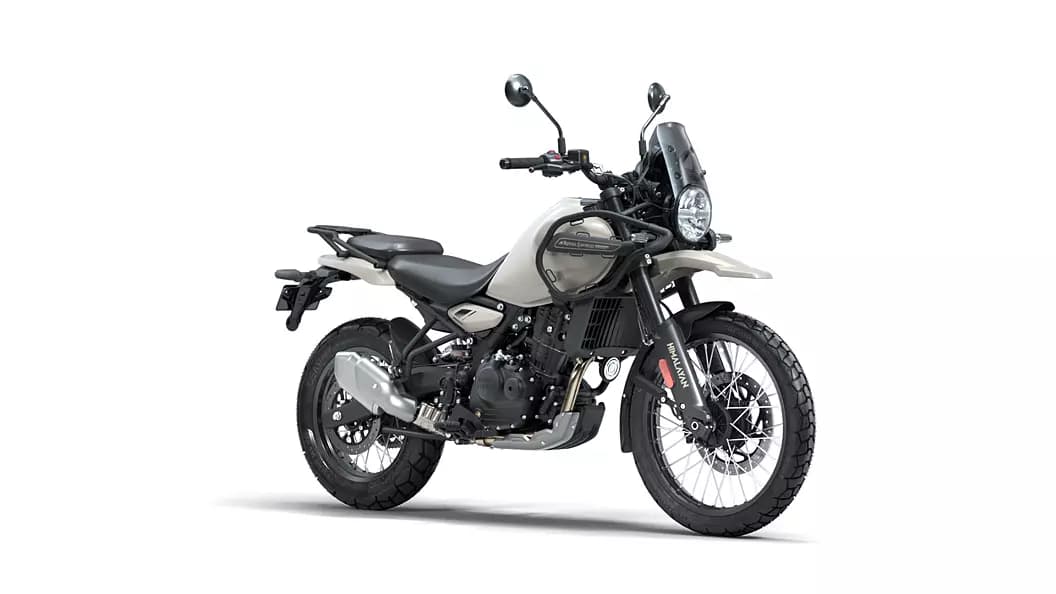
This is the million-dollar question for existing Himalayan owners and enthusiasts. Will the electric version retain that rugged, utilitarian charm and bulletproof reliability we associate with the ICE model? Royal Enfield has a unique design language, and we expect the EV to carry over some of the familiar styling cues – the round headlamp, the robust frame, and perhaps even the iconic jerry can mounts, albeit repurposed. It's got to look the part, otherwise, what's the point?
Performance-wise, electric motors deliver instant torque, which could be a game-changer for off-roading. Imagine tackling a steep incline with that immediate push, no gear changes, just pure, unadulterated grunt. On the flip side, the added weight of that large battery pack is something to consider. The current Himalayan isn't exactly a lightweight, and an electric version will likely add another 20-30 kg, maybe more. How will that impact handling, especially at low speeds or in tricky terrain? That's something we'll only know after a proper test ride (and honestly, it shows).
Specs At A Glance
Feature | Details (Expected) |
|---|---|
Battery Pack | 14 kWh |
Range (Claimed) | 200-250 km per charge |
Motor Type | TBA (likely mid-mounted) |
Charging Time | TBA |
Top Speed | TBA |
Suspension | Expected similar to ICE Himalayan |
Brakes | Expected disc brakes with ABS |
How Does It Stack Up Against The Competition?
Here's the thing — direct competition for an electric adventure tourer in India doesn't really exist yet. This puts the Himalayan EV in a unique position. If you look at other premium electric motorcycles like the Ultraviolette F77 or the Tork Kratos R, they're more focused on sporty road riding or urban commuting. The F77, for instance, offers impressive performance and range, but it's a sleek sportbike, not something you'd take over broken tarmac or through a river crossing. The Kratos R is a good commuter, but nowhere near an ADV.
So, the Himalayan EV isn't just competing with other electrics; it's also got to win over current adventure bike buyers, especially those considering the petrol Himalayan or even bikes like the KTM 390 Adventure. Its unique selling proposition will be that silent, torquey off-road capability combined with Royal Enfield's brand legacy and service network. If they get the charging infrastructure and price right, it could carve out a massive niche for itself.
The Good And The Not-So-Good
What We Like
- Generous Range: 200-250 km is genuinely usable for varied riding conditions.
- Instant Torque: Electric motors excel here, great for off-road prowess.
- Royal Enfield Brand: Huge trust factor, established service network.
- Unique Proposition: First proper electric ADV in India, no direct rivals.
- Silent Running: Imagine riding through a forest, hearing only nature (yes, really).
What Could Be Better
- Weight Concern: A large battery means a heavier bike, affecting handling.
- Charging Infrastructure: Still a challenge for long-distance adventure touring.
- Price Point: Electric tech isn't cheap; will it be accessible to the masses?
- Off-road Durability: How will the electric components hold up against extreme conditions?
- Heat Management: Important for motors and batteries in Indian climates.
Price & When You Can Buy It
As of now, Royal Enfield hasn't spilled the beans on pricing or an official launch date. But looking at the likely 14 kWh battery pack and the current cost of EV components, we expect it won't be cheap. Pricing is likely to be in the ₹3.0–3.5 lakh (ex-showroom) range, possibly even higher. That's a significant jump from the petrol Himalayan, but it's also for cutting-edge technology.
As for when you can get your hands on one, official figures are yet to be revealed. We anticipate a launch sometime next year, possibly in the latter half of 2024. Royal Enfield usually takes its time to perfect a product, and an electric adventure bike is no small feat. So, a bit of patience will likely be required for this one.
Our Verdict
Look, the Royal Enfield Himalayan EV is more than just a new motorcycle; it's a statement. It shows that a legacy brand like RE isn't afraid to innovate and adapt to the future. The expected 14 kWh battery and 200-250 km range are strong points, making it a genuinely viable option for those looking to electrify their adventure. However, the success will hinge on how well they integrate the electric powertrain without losing the core character and ruggedness that define the Himalayan.
In my opinion, if Royal Enfield can nail the balance between modern EV tech and its traditional appeal, and crucially, price it competitively, they'll have a winner on their hands. It's going to be a fascinating ride, and we can't wait to test it ourselves when it finally hits the Indian roads. This could truly be a game-changer for adventure biking in India.