What's The Big News?
Imagine planning a weekend getaway with your parents, kids, and luggage, but without the dread of visiting a noisy fuel pump or spending a small fortune on diesel. That is the future Indian carmakers are building right now as they transition from compact electric crossovers to massive, three-row family haulers. We are no longer talking about tight city runabouts; instead, the market is preparing for full-sized family cruisers running on pure electricity.
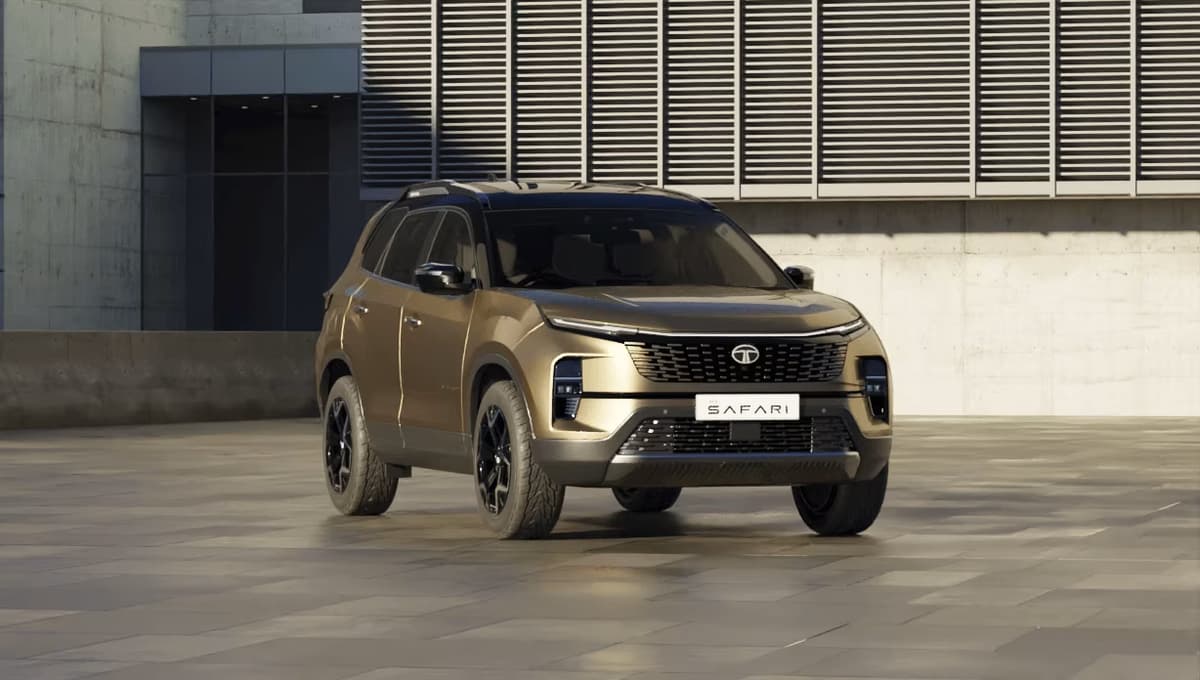
Tata Motors and Maruti Suzuki are leading this charge, ready to expand their electric portfolios with spacious 7-seater options designed specifically for Indian highway duties. If you have been holding back on buying an EV because your family simply cannot fit into a nexon-ev">Nexon EV, your patience is about to pay off in a big way. Let's break down what is coming and whether you should wait for them.
Tata's Grand Plan: The Safari.EV and Harrier.EV Duopoly
Tata is currently ruling the Indian EV space with an iron fist, but they know they cannot rest on their laurels. To maintain this lead, they are bringing their biggest icons into the battery-powered era using the advanced acti.ev architecture. This isn't just about slapping a battery pack under an old platform; it's a ground-up re-engineering process that brings flat floors, massive boot space, and serious road presence. You'll get the same commanding seating position that Safari owners swear by, but with a futuristic cabin that feels like a lounge on wheels.
Under the hood—or rather, under the floorboards—these electric giants are expected to pack battery capacities upwards of 60 kWh to ensure they can easily handle long-distance road trips. We expect all-wheel-drive (AWD) capabilities to be on the table too, giving these premium electric SUVs some genuine off-road credentials to match their butch styling. Plus, with vehicle-to-load (V2L) technology, you'll be able to power your camping gear directly from the car's battery pack. It's a level of utility that makes traditional diesel engines feel instantly outdated.
Maruti Suzuki's Secret Weapon: The YMC 3-Row EV
Maruti Suzuki might have been slow to join the electric party, but they are planning a massive entry with their first born-EV, the eVX. What many do not know is that they are already working on a larger, three-row sibling based on the same platform, internally codenamed the YMC. This 7-seater EV will share its skateboard platform with the eVX (about time, Maruti), meaning we get maximum cabin space with minimal overhangs. It's going to be a packaging masterclass that prioritizes third-row legroom, something most current ICE SUVs struggle with.
Suzuki's global expertise in packaging means this vehicle could offer segment-leading cabin space for the price of a mid-spec premium SUV. Reports suggest a battery pack of around 60 kWh, which should comfortably deliver a real-world range of over 400 kilometers on a single charge. By sharing components with Toyota, Maruti will likely price this incredibly competitively, making big family EV road trips accessible to a much wider audience. It's the kind of practical engineering that everyday Indian buyers have been waiting for.
Specs At A Glance
Model | Expected Battery Size | Estimated Real Range | Seating Capacity |
|---|---|---|---|
Tata Harrier.EV | 60 kWh | 400-450 km | 5-Seater |
Tata Safari.EV | 60 kWh+ | 400+ km | 6 / 7-Seater |
Maruti Suzuki YMC | 60 kWh | 400-450 km | 7-Seater |
How Does It Stack Up Against The Competition?
Currently, if you want a 7-seater electric vehicle in India, your options are mostly limited to ultra-premium luxury imports like the Kia EV9 or the Mercedes-Benz EQB, which cost astronomical sums. These upcoming offerings from Tata and Maruti will democratize the segment by slotting into the ₹25 lakh to ₹35 lakh price bracket. This is where the real action is, targeting buyers who want premium luxury without paying luxury badge taxes.
Compared to existing ICE stalwarts like the Mahindra XUV700 or the diesel Safari, these EVs will offer whisper-quiet cabins, instant torque for effortless overtaking on mountain passes, and rock-bottom running costs. While the initial acquisition cost will be higher than a petrol or diesel equivalent, heavy highway users will find the math adding up in favor of electric power within a couple of years of ownership. It's a compelling argument that's hard to ignore.
The Good And The Not-So-Good
What We Like
- Massive cabins with flat floors offer incredible legroom for all rows
- Big battery packs mean real-world ranges that make highway road trips stress-free
- Instant electric torque makes driving a heavy 7-seater feel effortless
- Lower running costs compared to heavy diesel and petrol highway haulers
What Could Be Better
- Initial purchase prices will be significantly higher than petrol/diesel equivalents
- Public charging infrastructure on highways is still a work in progress for large-battery EVs
- Third-row space in Safari.EV might still be tight for tall adults on long journeys
Price & When You Can Buy It
Expect Tata to roll out its premium electric SUVs first, with launches likely lined up over the next 12 to 18 months as they finish testing their new architectures on public roads. Maruti's YMC, on the other hand, is expected to make its official debut sometime in 2026, following the launch of the smaller eVX crossover. This gives buyers plenty of time to plan their upgrades.
Pricing for these family haulers is expected to start around ₹25 lakh for the entry-level variants and go up to ₹35 lakh for the top-tier, dual-motor AWD versions. Official prices will only be revealed closer to their respective launch dates, but they will certainly offer a lot more metal and technology for your money than current premium electric offerings.
Our Verdict
Here's the thing — buying a family car in India is an emotional decision because we do not just travel alone; we travel with our entire world packed into the cabin. If you are in the market for a 3-row SUV right now and your daily running is high, waiting for these electric giants makes immense sense. Honestly, the sheer comfort of a vibration-free cabin combined with negligible running costs will make your old diesel highway cruiser feel like ancient history. It is a transition that is worth waiting for.