Hyundai i20 Safety Rating
Comprehensive safety analysis of the Hyundai i20 covering all safety aspects including passive safety systems, active safety features, ADAS technology, and child safety provisions. Our detailed review helps you understand the safety credentials and protection levels offered by this vehicle.
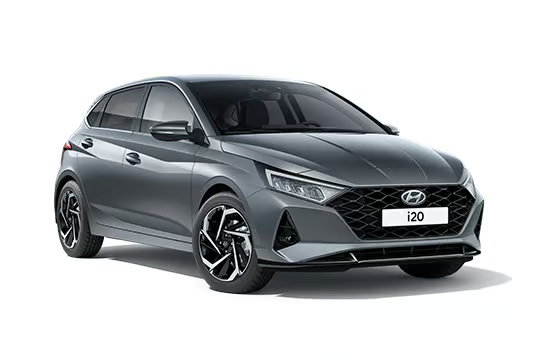
Hyundai i20 Price
Safety Score
Based on available safety features, active safety systems, and passive safety equipment.
Key Safety Highlights
Airbag Configuration
6 Airbags (Driver, Front Passenger, 2 Curtain, Driver Side, Front Passenger Side)
TPMS
Tire Pressure Monitoring System
NCAP Rating
3 Star (Global NCAP)
Latest Hyundai i20 News
Stay updated with the latest automotive news, reviews, and trends
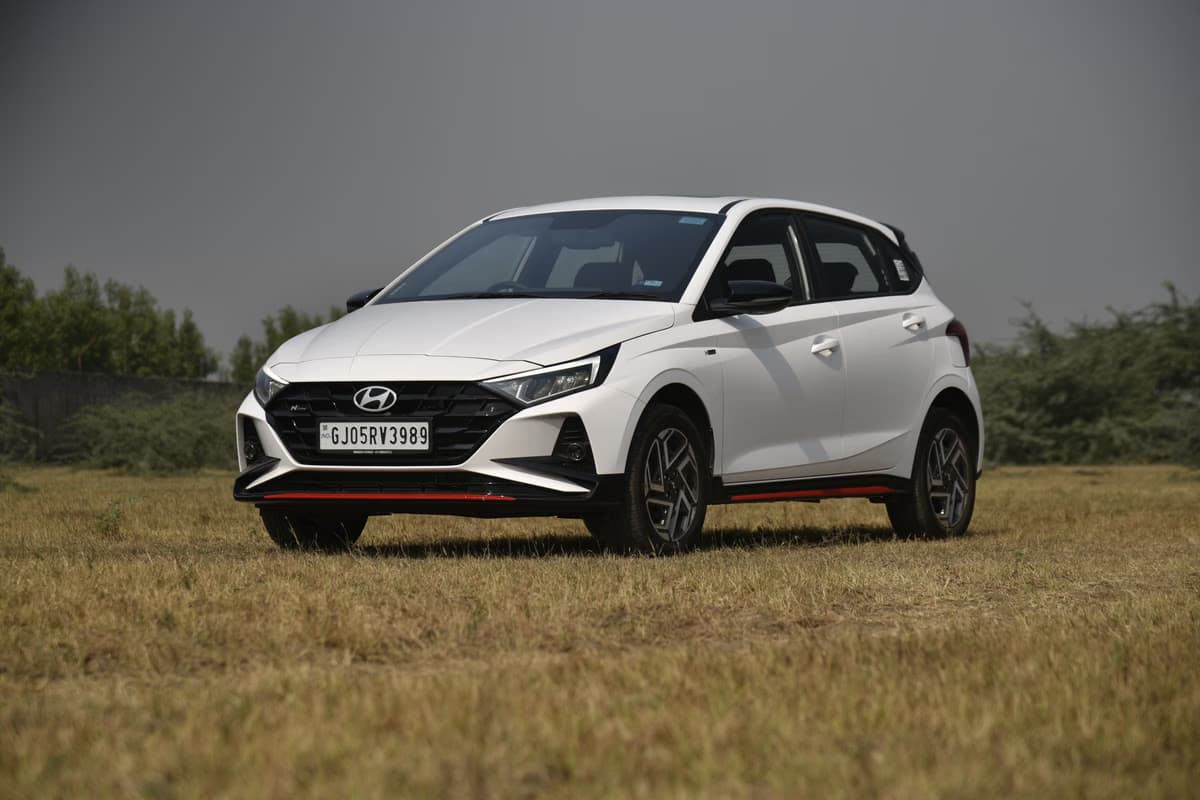
New Hyundai i20 Hybrid: Will It Challenge Maruti's Mileage Crown?
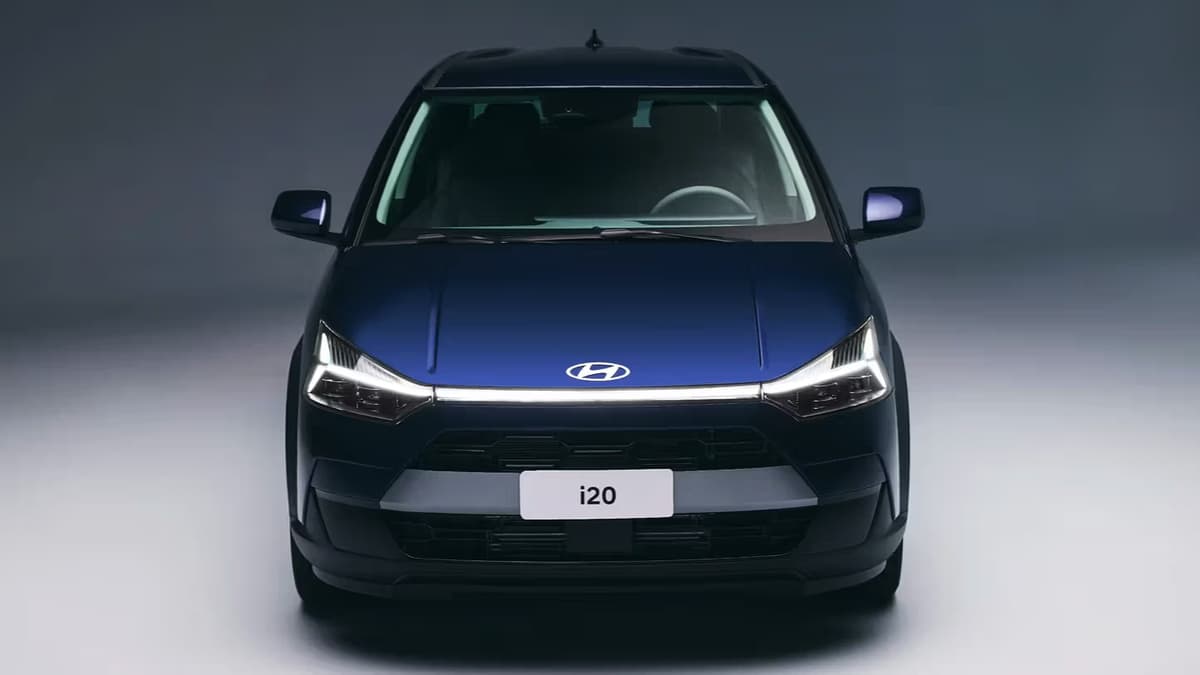
Hyundai i20 Facelift: ADAS & Hybrid Power Coming to India?
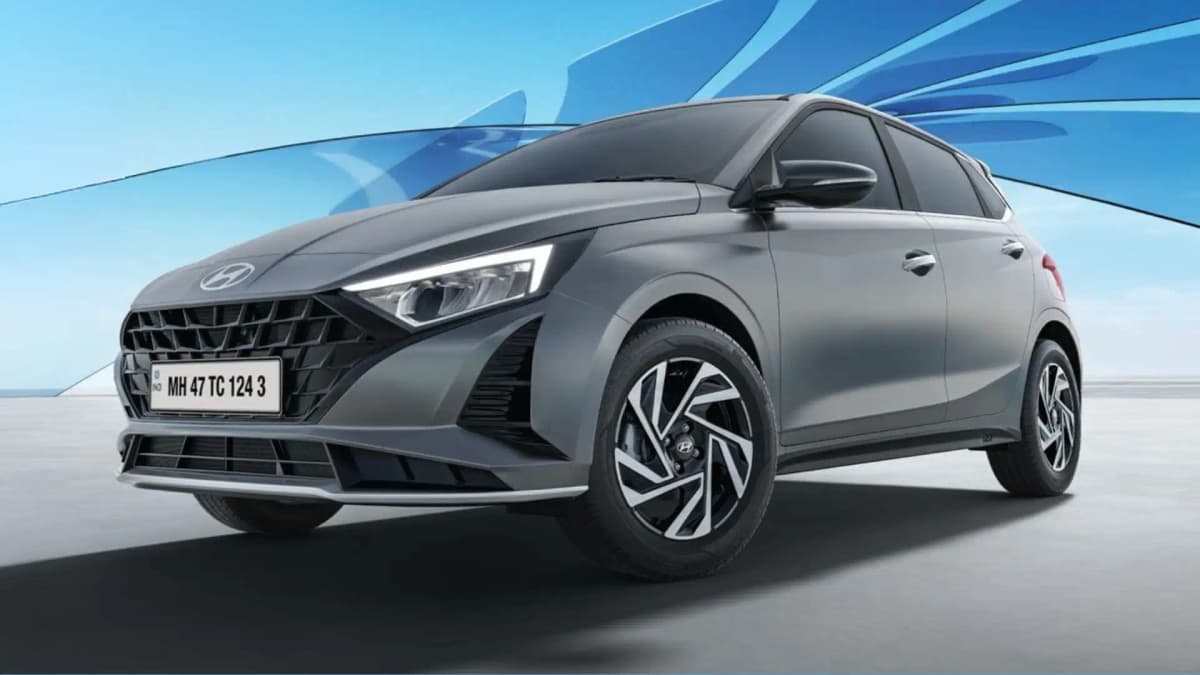
Hyundai i20 entry price drops with return of Era trim

2025 Hyundai i20 Magna Executive Launched at ₹7.50 Lakh
Frequently Asked Questions About Hyundai i20 Safety
Get answers to common questions about Hyundai i20 safety features, ratings, and crash test performance.
What is the safety rating of Hyundai i20?
The Hyundai i20 has received a safety score of 3/5 stars based on available safety features and systems. It has an NCAP rating of 3 Star (Global NCAP).
This rating is based on comprehensive analysis of passive safety features (airbags, body structure), active safety systems (ABS, ESC, TPMS), ADAS features, and child safety provisions.
How many airbags does the Hyundai i20 have?
The Hyundai i20 comes with 6 airbags as standard safety equipment.
Airbag Configuration: 6 Airbags (Driver, Front Passenger, 2 Curtain, Driver Side, Front Passenger Side)
This comprehensive airbag system provides protection for front occupants, side impacts, and head protection through curtain airbags, ensuring maximum safety in case of a collision.
What active safety features are available in the Hyundai i20?
The Hyundai i20 comes with 3 active safety systems designed to prevent accidents and enhance driving safety.
Key Active Safety Features:
- Emergency Brake Light Flashing : Yes
- Tyre Pressure Monitoring System (TPMS): Yes
- Tyre Pressure Monitoring System: Yes
Is the Hyundai i20 safe for children and families?
Yes, the Hyundai i20 includes 9 child safety and family-oriented safety features to ensure the protection of younger passengers.
Child & Family Safety Features:
- Child Seat Anchor Points: Yes
- Puncture Repair Kit: Available
- NCAP Rating: 3 Star (Global NCAP)
- Clutch Lock : Yes
These features ensure that child seats can be properly installed and that children are protected during travel, making it an excellent choice for families.
How does the Hyundai i20 safety compare to other cars in its segment?
The Hyundai i20 stands out in its segment with a comprehensive safety package that includes:
- 6 airbags - Above average for its class
- 3 active safety systems - Comprehensive protection suite
- Structural safety - Reinforced body construction for impact protection
- Child safety provisions - Family-friendly safety features
With a safety score of 3/5 stars, it offers competitive safety standards that meet or exceed industry benchmarks for its vehicle category.
What safety technologies are standard vs optional in the Hyundai i20?
The Hyundai i20 offers a mix of standard and variant-dependent safety features:
Variant-Dependent Features:
- Emergency Brake Light Flashing - Available in select variants
- Airbags - Available in select variants
- Tyre Pressure Monitoring System (TPMS) - Available in select variants
- Clutch Lock - Available in select variants
- Dashcam - Available in select variants
Standard safety features are available across all variants, while advanced features like ADAS and premium safety systems may be available in higher variants. Check with your dealer for specific variant-wise safety feature availability.
How often should I service safety systems in my Hyundai i20?
Regular maintenance of safety systems is crucial for optimal performance. Here's what you should know:
- Airbag System: Check during regular service intervals (every 6 months)
- ABS & Braking System: Inspect brake fluid and system every 3-6 months
- TPMS: Check tire pressure monthly and calibrate sensors annually
- ADAS Sensors: Clean and calibrate during regular service
- Seat Belts: Inspect for wear and proper function every service
Follow the manufacturer's recommended service schedule and always use authorized service centers for safety system maintenance to ensure proper functionality.
What should I do if safety warning lights appear in my Hyundai i20?
If any safety system warning lights appear on your dashboard, take immediate action:
- ABS Warning: Drive carefully to nearest service center, avoid hard braking
- Airbag Warning: Get inspected immediately - airbags may not deploy in crash
- TPMS Warning: Check tire pressure immediately and inflate if needed
- ESC Warning: Reduce speed and drive cautiously to service center
- Any Red Warning: Stop safely and contact roadside assistance
Never ignore safety warning lights. They indicate potential issues that could compromise your safety and that of other road users.
Need More Information About Hyundai i20 Safety?
Contact authorized Hyundai dealers for detailed safety demonstrations, crash test reports, and variant-specific safety feature information.
Is Hyundai i20 Among the Safest Cars in the World?
When evaluating the safest car in the world, multiple factors come into play including crash test ratings, safety technology, structural integrity, and real-world accident data. The Hyundai i20 competes in this space with its comprehensive safety package.
The most safe car in the world typically features advanced safety systems like the ones found in the Hyundai i20:
- Multiple Airbags: The i20 comes with 6 airbags for comprehensive occupant protection
- Advanced Safety Systems: 3 active safety features to prevent accidents
- Structural Safety: High-strength steel construction for maximum crash protection
- Safety Rating: 3/5 stars based on comprehensive safety analysis
While the title of "safest car in the world" is often debated and varies by testing organization, the Hyundai i20 demonstrates strong safety credentials that place it among the safer vehicles in its segment. Its combination of passive and active safety features makes it a reliable choice for safety-conscious buyers.
Hyundai i20 Safety Rating: Complete Analysis
The hyundai i20 safety rating is based on comprehensive evaluation of all safety systems, crash test performance, and real-world safety features. Our detailed analysis covers:
🛡️Crash Test Performance
The i20 has achieved an NCAP rating of 3 Star (Global NCAP), demonstrating excellent crash protection capabilities.
🎯Safety Technology
Equipped with 6 safety features including 6 airbags, and comprehensive active safety systems.
👨👩👧👦Family Safety
Child safety features and family-oriented protection systems make the i20 an excellent choice for families prioritizing safety.
⭐Overall Rating
3/5 stars - Based on comprehensive analysis of all safety parameters, placing it competitively in its segment.
The hyundai i20 safety rating reflects its commitment to occupant protection through a combination of proven safety technologies and modern safety innovations. Whether you're comparing it to other vehicles or evaluating it as a potential purchase, the i20's safety credentials stand out in its class.
How Hyundai i20 Compares to Global Safety Standards
When discussing the most safe car in the world, it's essential to understand global safety standards. The Hyundai i20 is designed to meet or exceed safety regulations in multiple markets:
Global Safety Certifications
While the safest car in the world title may vary by testing organization and criteria, the Hyundai i20 demonstrates strong safety performance that aligns with international best practices. Its safety features are comparable to vehicles that consistently rank high in global safety assessments.
For buyers researching hyundai i20 safety rating, it's important to note that safety is not just about ratings—it's about the comprehensive package of features, build quality, and real-world performance. The i20 delivers on all these fronts, making it a safe choice for Indian roads and driving conditions.
Understanding Global NCAP and Vehicle Safety Ratings
Global NCAP (New Car Assessment Programme) is the world's leading independent authority on vehicle safety ratings. The Hyundai i20 has been evaluated against these stringent auto safety ratings standards to ensure maximum protection.
⭐What is Global NCAP Rating?
Global NCAP rating evaluates vehicles through comprehensive crash safety ratings tests including:
- Frontal Impact Test: Simulates head-on collision at 64 km/h
- Side Impact Test: Evaluates protection in side collisions
- Pole Test: Assesses head protection in side impacts
- Pedestrian Protection: Tests vehicle's safety for pedestrians
- Child Occupant Protection: Evaluates child safety systems
The Hyundai i20 has achieved a 3 Star (Global NCAP) rating, placing it among vehicles with strong car safety rankings in its segment.
5 Star Safety Rating Cars: What Makes Them Special?
5 star safety rating cars represent the pinnacle of automotive safety. To achieve a 5 star car rating, vehicles must excel in multiple areas:
🛡️Adult Occupant Protection
- • Multiple airbags (6 in i20)
- • Strong body structure
- • Effective seatbelt systems
- • Head and chest protection
👶Child Occupant Protection
- • ISOFIX anchor points
- • Child seat compatibility
- • Rear door child locks
- • Airbag deactivation option
⚡Safety Assist Systems
- • Electronic Stability Control
- • Anti-lock Braking System
- • Traction Control
- • Active safety systems
🚶Pedestrian Protection
- • Energy-absorbing bumpers
- • Pedestrian-friendly design
- • Active hood systems
- • Visibility enhancements
NCAP Ratings: Global Standards vs Hyundai i20
Understanding NCAP ratings helps you make informed decisions. Different regions have their own testing protocols:
🇮🇳 Bharat NCAP
India's official crash testing program
🌍 Global NCAP
International safety assessment
🇪🇺 Euro NCAP
European safety standards
The Hyundai i20's hyundai i20 safety rating reflects its performance against these standards. With 6 airbags and 3 active safety features, it demonstrates strong automobile safety ratings credentials.
Hyundai i20 Crash Test: Detailed Analysis
The i20 crash test results provide crucial insights into real-world safety performance. Understanding crash safety ratings helps you evaluate how well the vehicle protects occupants during accidents.
💥Crash Test Performance Breakdown
Frontal Impact Protection
The i20's body structure is designed to absorb and distribute impact forces, protecting the passenger compartment. With 6 airbags, occupants receive comprehensive protection during frontal collisions.
Side Impact Protection
Side airbags and reinforced door beams provide crucial protection in side-impact scenarios, one of the most dangerous types of collisions.
Rollover Protection
The vehicle's low center of gravity and electronic stability control systems help prevent rollovers, while the strong roof structure provides protection if a rollover occurs.
Safest Cars: How Does Hyundai i20 Compare?
When researching safest cars in India, the Hyundai i20 stands out with its comprehensive safety package. Here's how it compares to other car safety ranking leaders:
Hyundai i20 Safety Highlights
Comprehensive occupant protection
Based on comprehensive analysis
Accident prevention systems
Official crash test rating
ISOFIX and child protection
Among safest cars in its segment, the Hyundai i20 offers excellent value with its comprehensive safety package. While the title of "safest car in the world" varies by testing organization, the i20 demonstrates strong safety credentials that make it a reliable choice for safety-conscious buyers.
Popular Car Safety Ratings in India
Indian buyers frequently search for safety ratings of popular models. Here's how vehicle safety ratingswork and what to look for when comparing different cars:
Key Safety Rating Factors to Consider
🔍 What to Check:
- •NCAP Rating: Look for Global NCAP or Bharat NCAP scores
- •Airbag Count: More airbags = better protection
- •Active Safety: ABS, ESC, TPMS availability
- •ADAS Features: Advanced safety technology
- •Child Safety: ISOFIX anchors and child locks
⚠️ Red Flags:
- •No NCAP rating or crash test data
- •Less than 2 airbags as standard
- •No ABS or EBD in base variant
- •Missing child safety features
- •Poor structural integrity reports
The Hyundai i20 addresses these concerns with its 3/5 star rating, 6 airbags, and comprehensive active safety systems. When comparing auto safety ratings across different models, the i20 offers competitive safety features that meet modern safety standards.
💡 Pro Tip for Safety-Conscious Buyers:
Don't just rely on star ratings. Check the detailed crash test reports, read about real-world accident performance, and test the safety features yourself during a test drive. The Hyundai i20's safety systems are designed to work together, providing comprehensive protection in various scenarios.
Experience Hyundai i20 Safety First-Hand
Schedule a test drive and safety demonstration at your nearest Hyundai dealership. Our experts will walk you through all safety features and answer your questions.