What's The Big News?
Picture this: you're sitting at a local tea stall with your riding mates, arguing about when Chakan will finally drop a real, high-performance electric Pulsar or Dominar equivalent. Well, Bajaj Auto has finally dropped a timeline hint, but there's a slight catch that might sour your evening chai.
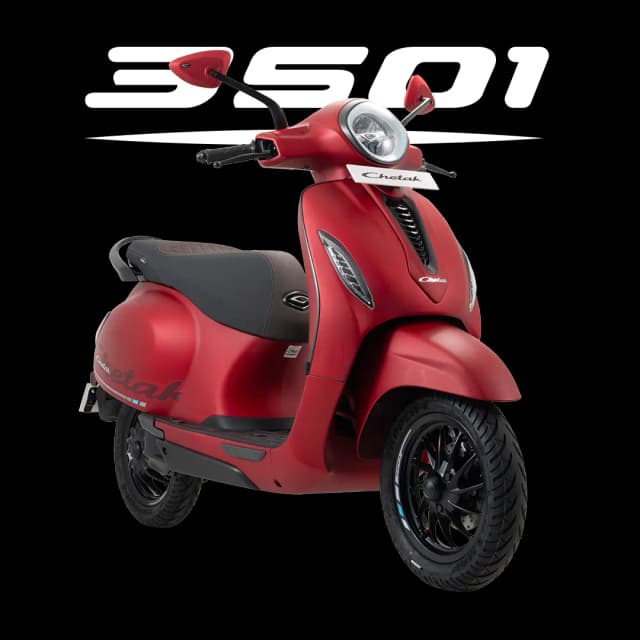
Bajaj is targeting Financial Year 2028 for its brand-new electric motorcycle line, but foreign buyers will get their hands on it before we do in India (yes, really). While Chakan continues to expand its Chetak electric scooter range locally, the high-voltage motorcycling scene from Bajaj will start its journey across international seas first.
Why Bajaj Is Sending Its Electric Motorcycle Abroad First
Export markets offer a totally different playing field for high-capacity electric two-wheelers. European and Latin American nations already have established charging corridors and buyers willing to pay top dollar for eco-friendly performance bikes. Building an electric motorcycle with decent range and punchy performance requires large, expensive battery packs, which can push showroom prices to levels that make Indian buyers flinch.
By targeting overseas markets first, Bajaj can validate its motor and battery tech at scale where profit margins are significantly healthier. Furthermore, strict global emission norms and steep EV incentives in certain regions make high-powered electric two-wheelers an easier sell abroad right now. It gives Chakan the perfect testing ground to iron out real-world software and thermal bugs before serving the mass-market Indian rider who demands indestructible reliability at a price better than what Maruti gives you on entry-level cars.
What This Means For Indian Enthusiasts Waiting For A Pulsar EV
Waiting until FY28 means Indian enthusiasts need to exercise a serious amount of patience. That is roughly three years down the line, giving local competitors plenty of breathing room to establish their foothold in the premium EV space. Currently, brands like Revolt, Tork, and Matter are trying hard to warm up Indian buyers to the idea of an electric motorcycle, but market adoption remains slow compared to practical family e-scooters.
Chakan isn't rushing in blind because they know the Indian market inside out. We want solid highway range, zero thermal throttling in peak May heat, and a sticker price that doesn't feel like buying a mid-spec Swift. By the time FY28 rolls around, battery chemistry costs like LFP and localized motor assembly should become way cheaper. That cost benefit will eventually trickle down to our local showrooms when the domestic launch finally happens after the global rollout.
Specs At A Glance
Feature / Spec | Details |
|---|---|
Manufacturer | Bajaj Auto |
Vehicle Type | Electric Motorcycle |
Target Launch Window | FY28 (2027–2028) |
First Priority Markets | International Exports |
Domestic India Launch | Post-Export Rollout |
Battery & Range | TBA (Official figures yet to be revealed) |
Motor Power & Top Speed | TBA (Official figures yet to be revealed) |
How Does It Stack Up Against The Competition?
Right now, the Indian electric motorcycle space is still in its infancy compared to the absolute explosion of e-scooters. If you walk into a showroom today with around ₹1.5 lakh to ₹1.8 lakh, options like the Revolt RV400 or the Tork Kratos R stand out as early pioneers. They offer decent city usability, but they lack the high-speed thrill and long-haul stamina that petrol-powered Pulsars and Apaches deliver effortlessly.
Meanwhile, TVS is also quietly brewing its own high-performance electric two-wheelers, and foreign players like Ultraviolette cater strictly to the high-end niche end of the spectrum. Bajaj entering in FY28 means they will likely bypass the basic commuter EV phase entirely and drop a highly refined, premium electric machine that aims straight for performance-hungry buyers globally and locally.
The Good And The Not-So-Good
What We Like
- Rigorous real-world validation in international markets before Indian buyers touch it.
- Strong Chakan engineering heritage ensures high durability and build quality.
- Late entry allows Bajaj to leverage cheaper, next-gen battery chemistries.
- Puts Indian manufacturing talent on a global stage.
What Could Be Better
- Long wait time till FY28 for Indian enthusiasts eager for an e-Pulsar.
- Home market takes a backseat initially while exports get priority.
- Uncertainty around local pricing until production scales up.
Price & When You Can Buy It
Official pricing details are strictly under wraps, as the launch is slated for around FY28. However, given that export markets will receive the first batch, expect the initial motorcycle to lean towards a premium price band rather than an entry-level commuter segment. Official pricing will be announced closer to the international rollout.
If you're waiting to buy one in India, you'll need to keep your savings in the bank until at least late 2027 or early 2028. Bajaj will likely gauge export feedback before commencing domestic production and retail deliveries through its expansive dealer network across major Indian cities.
Our Verdict
Look, nobody likes waiting at the back of the line, especially when it comes to an iconic home-grown brand like Bajaj. Seeing overseas riders get first dibs on Chakan's flagship electric bike might sting a bit for local petrolheads who have backed the brand for decades.
Honestly, rushing a half-baked electric bike into the Indian market just to capture quick headlines would do far more harm than good. By testing the waters globally, Bajaj ensures that when the motorcycle finally hits Indian roads in FY28, it'll be a bulletproof, well-engineered product ready for our brutal weather and chaotic traffic.