What's The Big News?
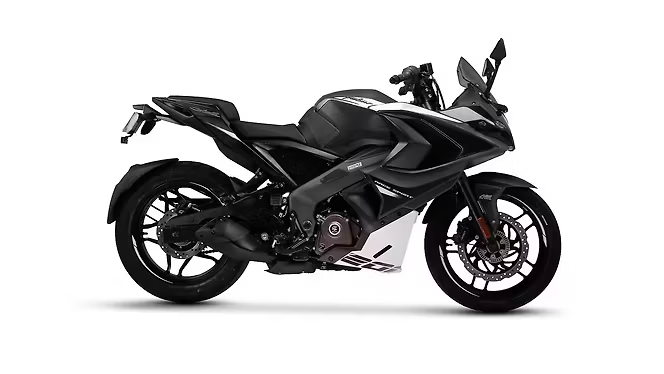
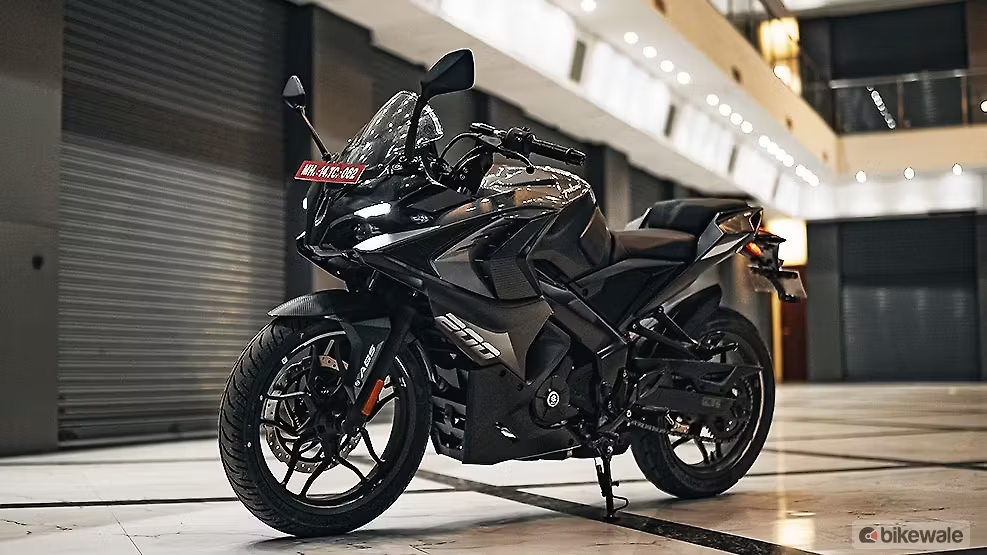
Alright folks, grab a cutting chai because we've got some news that's going to hit Pulsar loyalists right in the feels. Just six short months after making a quiet return to showrooms across India, Bajaj has once again pulled the plug on the venerable Pulsar 180.
Yeah, you heard that right. The bike that for many of us was a gateway to performance motorcycling, the one that screamed 'sporty' without breaking the bank, is off the menu. It's a surprising move, especially after the excitement of its recent relaunch. What gives, Bajaj?
The Pulsar 180’s Tumultuous Comeback & Exit
Look, the Pulsar 180 has always held a special place. It was the sensible upgrade from a 150, offering that extra punch without jumping straight into the 200cc beasts. When it came back a few months ago, many thought Bajaj was finally acknowledging a niche demand, offering a simpler, more classic Pulsar experience amidst the Ns, NSs, and RSs.
But it seems that reunion was short-lived. Dealers are confirming that orders for the 180 have stopped, and fresh stock isn't coming in. This isn't the first time Bajaj has done this – the 180 has a history of disappearing and reappearing, almost like a cult classic that makes cameo appearances. Honestly, it makes you wonder about Bajaj’s long-term strategy for this specific displacement.
In my opinion, this on-again, off-again approach doesn't do justice to the Pulsar nameplate. It confuses potential buyers and dilutes the brand's consistency. It's a shame, really, because the 180 always offered a distinct flavour compared to its siblings.
Why The Sudden Pullback? Market Dynamics At Play
So, why would Bajaj discontinue a bike that just returned? It's not like the 180 was a bad bike. It was simple, reliable, and had that classic Pulsar DNA. The most obvious reason points to Bajaj's own evolving lineup. With the Pulsar 150 still doing strong numbers and the NS160/Pulsar N160 offering a more modern, liquid-cooled, feature-rich package just above it, the 180 found itself in a rather awkward middle ground.
It was a bit like bringing a feature phone to a smartphone launch – tried and tested, but perhaps not compelling enough for today's buyer who wants ABS, fuel injection, and a digital console, which the 180 did offer in its last avatar, but perhaps not with the same pizzazz as its N-series counterparts. Pricing would also have been a crucial factor; positioning it between the 150 and the N160 without cannibalizing either is a tough tightrope walk.
The market has moved on, demanding more premium features and sharper styling even in the sub-200cc segment. The Pulsar 180, despite its updates, retained much of its older design language, which, while nostalgic for some, might not have appealed to younger buyers looking for the latest tech and aggressive looks.
Specs At A Glance
For those wondering what the last iteration of the Pulsar 180 brought to the table, here's a quick look:
Feature | Specification (Discontinued Model) |
|---|---|
Engine | 178.6cc, 4-stroke, SOHC 2-valve, air-cooled, DTS-i |
Fuel System | Fuel Injection |
Max Power | 17.02 PS @ 8500 rpm |
Max Torque | 14.52 Nm @ 6500 rpm |
Gearbox | 5-speed manual |
Front Brake | Disc, Single Channel ABS |
Rear Brake | Disc |
Suspension (Front) | Telescopic |
Suspension (Rear) | Twin Shock Absorber with Nitrox |
Tyre Size (Front) | 90/90-17 |
Tyre Size (Rear) | 120/80-17 |
Headlamp | Halogen with LED DRLs |
Instrument Cluster | Semi-digital |
How Did It Stack Up Against The Competition?
When the Pulsar 180 was around, it primarily competed with bikes like the TVS Apache RTR 160 4V and even some variants of the Hero Xtreme 160R. Compared to the Apache, the 180 felt a bit more old-school, with its air-cooled engine and traditional Pulsar styling. The Apache 160 4V, on the other hand, brought a sportier, more modern package with a refined engine and better handling dynamics.
The 180’s main draw was its torquey, punchy engine feel and that classic Pulsar riding position, which many riders swear by. It wasn't the most feature-packed, nor the sharpest handler, but it delivered decent performance for daily commutes and occasional highway runs. However, with the new Pulsar N160 now in the market, offering a smoother, more refined engine, better chassis, and single-channel ABS as standard, the 180’s value proposition simply got overshadowed. It just couldn't compete with the newer generation, even within its own family.
The Good And The Not-So-Good
What We Like
- Classic Pulsar DNA: That familiar feel, the solid build, and the distinctive exhaust note that many grew up with.
- Punchy Mid-Range: The 178.6cc engine, while not ultra-modern, offered good tractability and decent power for city riding and highway cruising.
- Comfortable Ergonomics: A slightly upright, sporty riding posture that was good for both short sprints and longer rides.
- Affordable Performance: Historically, it offered a stepping stone to higher displacement without burning a hole in your pocket.
What Could Be Better
- Outdated Design: Despite updates, the core design was showing its age against modern rivals and even Bajaj's own N-series.
- Feature Set: Lacked some premium features that rivals (and even its siblings) offered, like full LED lighting or a fully digital console.
- Lack of Consistency: This on-again, off-again discontinuation really hurts consumer confidence and brand perception for the model.
- Internal Competition: Struggled to justify its existence when the Pulsar 150 and the more modern Pulsar N160 offered compelling alternatives.
Price & When You Can Buy It
Well, here's the thing – you can't buy a brand new Pulsar 180 anymore. Since it's been discontinued, your best bet for getting your hands on one would be the used bike market. When it was last on sale, the Pulsar 180 was priced roughly around ₹1.17 lakh (ex-showroom, Delhi), sitting snugly between the Pulsar 150 and the Pulsar N160.
If you're still keen on a Pulsar in this segment, Bajaj has you covered with the Pulsar N160, which is a significant upgrade in terms of refinement, features, and overall package. Its pricing starts from ₹1.23 lakh (ex-showroom), which, for the added tech and modern feel, makes a strong case for itself.
Our Verdict
The Pulsar 180's latest, and perhaps final, departure is a bittersweet moment for many. It represents the end of an era for a bike that introduced countless riders to the thrill of performance biking in India. While its discontinuation is sad for nostalgic reasons, it's also a clear sign that Bajaj is consolidating its lineup, pushing forward with more modern, feature-rich offerings like the Pulsar N160.
We feel that while the 180 had its charm, the market has moved on, and Bajaj has to move with it. It’s a classic case of evolution. So, if you're looking for a new Pulsar in that sweet spot between 150cc and 200cc, the N160 is undoubtedly the way to go. Farewell, old friend, you'll be missed by those who knew your simple, raw appeal. Honestly, it's probably for the best; Bajaj needs to focus its energy on a streamlined, competitive portfolio.