What's The Big News?
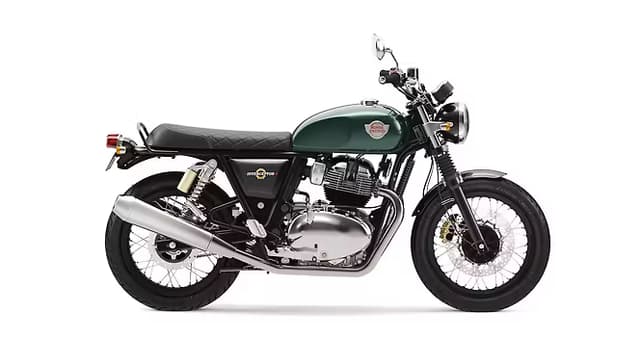
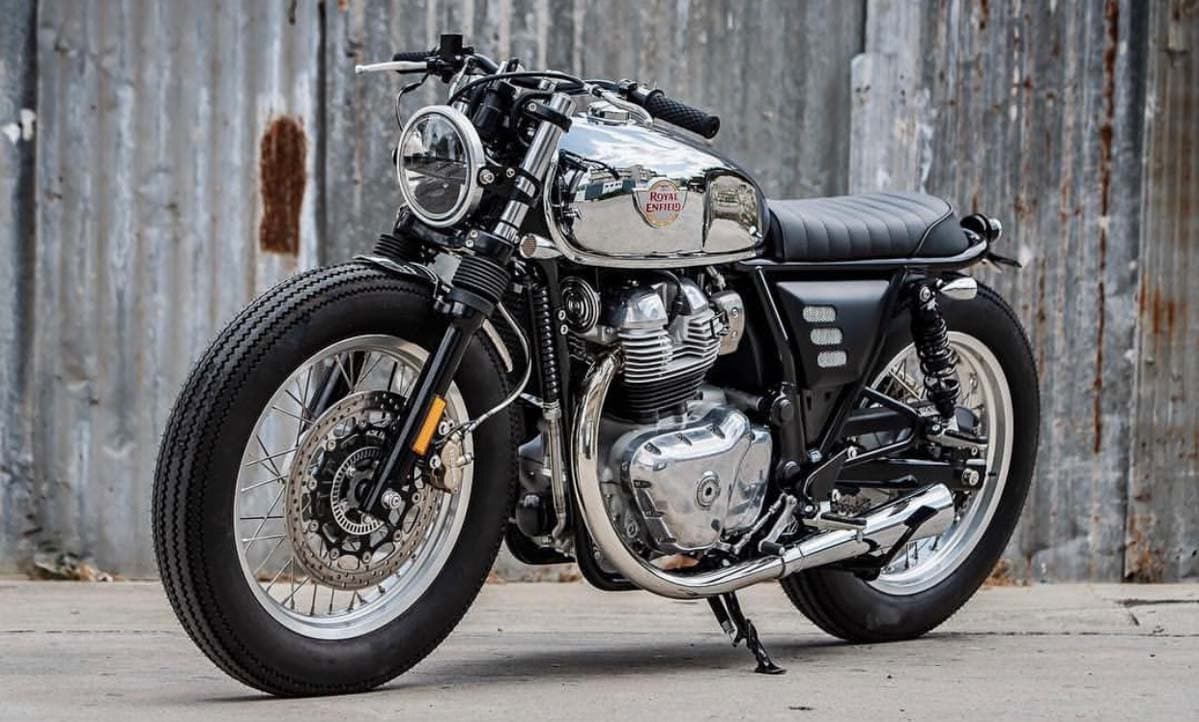
Alright folks, gather 'round, because there's some interesting chatter coming out of the Royal Enfield camp about the upcoming 2027 Interceptor 650. For months, everyone, including us, was speculating that the beloved twin-cylinder roadster">roadster would finally get a significant power bump, perhaps even the new 750cc engine we saw in the Himalayan 750 and Continental GT 750 at EICMA 2026. The excitement was palpable, wasn't it?
Well, here's the scoop straight from the horse's mouth, or at least, very reliable sources: put those dreams of a 750cc Interceptor on hold. The 2027 model, it seems, will continue to be powered by the very same 648cc parallel-twin engine we've come to love. And get this – the power and torque figures are expected to remain almost identical. Disappointed? You're not alone, but let's dig into why this might actually be a smart move from Royal Enfield, and what else could be brewing.
The Engine Story: Why No 750cc?
Honestly, when I first heard this, I scratched my head a bit. Why stick with the 648cc when you've got a brand new 750cc powerhouse ready to go? But then you think about it. The current 648cc parallel-twin isn't exactly a slouch, is it? It's a proven, reliable, and characterful engine that delivers a smooth, tractable powerband perfect for both city commutes and highway cruising. It’s got that quintessential Royal Enfield thump, albeit a more refined one, and it's super accessible for riders upgrading from smaller bikes.
Keeping the 648cc engine likely boils down to a few factors. First, cost. Developing and integrating a new engine isn't cheap, and it inevitably drives up the price. Royal Enfield has always excelled at offering fantastic value, and maybe they want the Interceptor 650 to remain the accessible, mid-range classic twin that it is. Second, market segmentation. We know the Himalayan 750 and Continental GT 750 are coming. Royal Enfield might be aiming to position those new 750cc bikes in a slightly different, more premium segment, leaving the Interceptor to hold its ground as the "everyman's" 650.
Now, "almost identical power and torque figures" doesn't necessarily mean absolutely no change. We could see minor tweaks for better emissions compliance, perhaps a slightly different tune for improved low-end grunt or a smoother power delivery, but don't expect a dramatic surge in horsepower. It's more about refinement than revolution here, folks.
Beyond The Engine: What Else To Expect?
So, if the heart of the Interceptor isn't changing much, what else can we look forward to in the 2027 model? This is where Royal Enfield usually sprinkles some magic, and honestly, it shows. They've been on a roll with updates across their lineup, and the Interceptor shouldn't be an exception. We're talking about updates that improve the riding experience and bring the bike up to modern standards without losing its retro charm.
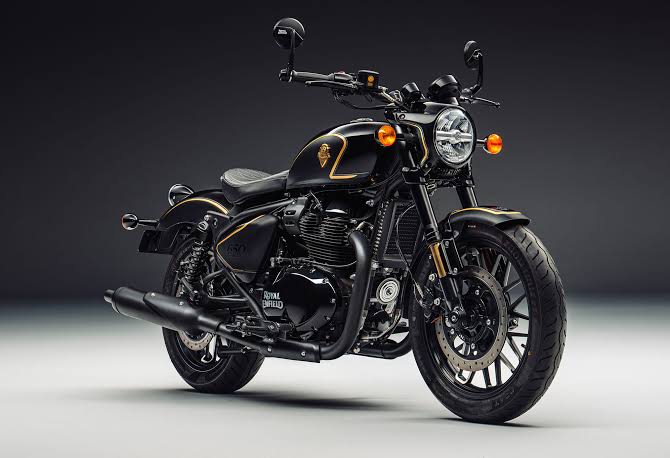
Expect some cosmetic refreshes for sure. New paint schemes, fresh graphics, perhaps different finishes on the engine casings or exhaust. They might even introduce some new alloy wheel options alongside the classic spokes. But it won't just be skin deep. We could finally see LED lighting all around – headlights, taillights, indicators – which isn't just about aesthetics but also a huge safety upgrade. A revised digital-analog instrument cluster, similar to what we've seen on the Super Meteor 650, is also highly probable, possibly with turn-by-turn navigation via their Tripper system. A USB charging port? That's almost a given in today's bikes, isn't it?
Beyond that, Royal Enfield might also look at improving rider comfort. A more plush seat, slightly revised handlebar positioning, or even adjustable levers would be welcome changes for those long rides. While major suspension overhauls are unlikely to keep costs down, minor tweaks for better damping could be on the cards. These small, thoughtful updates can make a world of difference in daily rideability and overall ownership experience.
Specs At A Glance
Feature | Details (Expected for 2027 Interceptor 650) |
|---|---|
Engine | 648cc Parallel-twin, Air/Oil-cooled, Fuel Injected |
Power Output | Almost identical to current model (approx. 47 bhp) |
Torque Output | Almost identical to current model (approx. 52 Nm) |
Gearbox | 6-speed manual |
Front Suspension | TBA (Expected Conventional Telescopic Fork, possibly with minor revisions) |
Rear Suspension | TBA (Expected Twin Shock Absorbers, possibly with minor revisions) |
Brakes | TBA (Expected Disc Brakes F&R with Dual-channel ABS) |
Lighting | Expected Full LED setup (Headlight, Taillight, Indicators) |
Instrument Cluster | Expected Digital-Analog with Tripper Navigation (optional/standard) |
How Does It Stack Up Against The Competition?
The Interceptor 650 has carved out a unique niche for itself, blending retro charm with modern reliability and a price point that's hard to beat. Even without a major engine upgrade, its primary rivals remain largely the same. You've got bikes like the Benelli Leoncino 500, which offers a different flavour of retro-modernity, but with a smaller engine and slightly higher pricing. Then there's the Kawasaki Z650RS – a beautiful machine with a more performance-oriented engine, but it comes with a significantly steeper price tag, easily the cost of two Interceptors if you're not careful with the specs.
For someone looking for a proper, big-bike feel without breaking the bank, the Interceptor 650 still delivers tremendous value. It's not chasing outright speed or cutting-edge electronics; it's about the experience, the sound, and the classic appeal. Even against some of the higher-capacity 400cc bikes from Bajaj or KTM, the Interceptor offers a fundamentally different, more relaxed, and torquey riding experience, which many Indian riders prefer for touring and daily usability. It’s got that “paisa vasool” feel, you know?
The Good And The Not-So-Good
What We Like
- Proven Engine Reliability: The 648cc twin is a workhorse, refined and dependable.
- Classic Styling Retained: It's gorgeous, and any updates will only enhance its timeless appeal.
- Expected Feature Upgrades: LED lighting, digital cluster, Tripper navigation – these are welcome modern touches.
- Accessible Performance: Still a great step-up bike, offering a friendly power delivery.
- Value Proposition: Continues to offer a lot of bike for your money, making it a compelling choice.
What Could Be Better
- No Power Bump: Enthusiasts craving more grunt will be disappointed by the lack of a 750cc option.
- Weight: It's not the lightest bike out there; a reduction would always be welcome.
- Basic Suspension: While functional, more advanced suspension would elevate the ride quality further, though it might push up costs significantly.
- Limited Feature Differentiation: Without a new engine, other updates might feel incremental rather than revolutionary.
Price & When You Can Buy It
Given that the core engine platform remains the same, we're not expecting a seismic shift in pricing. However, with the inevitable feature upgrades like LED lights, a digital console, and potentially minor component improvements, you should prepare for a slight bump over the current Interceptor 650's pricing. We're talking about an expected increase, not a massive overhaul, likely keeping it competitive in its segment.
As for when you can swing a leg over one, the topic hints at a "2027 Royal Enfield Interceptor 650", so expect an official reveal and launch sometime in late 2026 or early 2027. Pricing details and final specifications will, of course, be announced closer to the official launch date. Keep your eyes peeled on CarBikeGPT.com – we'll bring you all the updates as they drop!
Our Verdict
So, the 2027 Royal Enfield Interceptor 650 isn't getting the bigger heart many of us hoped for. Is that a bad thing? Not necessarily. Royal Enfield is playing to its strengths here: a proven, enjoyable engine, classic looks, and a value proposition that's tough to beat. While a 750cc option would have been exciting, keeping the 648cc allows them to refine what's already good and potentially keep the price point sweet. In my opinion, this move solidifies the Interceptor's position as a reliable, charming, and accessible middleweight twin, leaving the bigger, more powerful engines for other segments. It's not about being the fastest, but about being the most endearing ride you can get your hands on for the money. And sometimes, that's exactly what riders in India want.