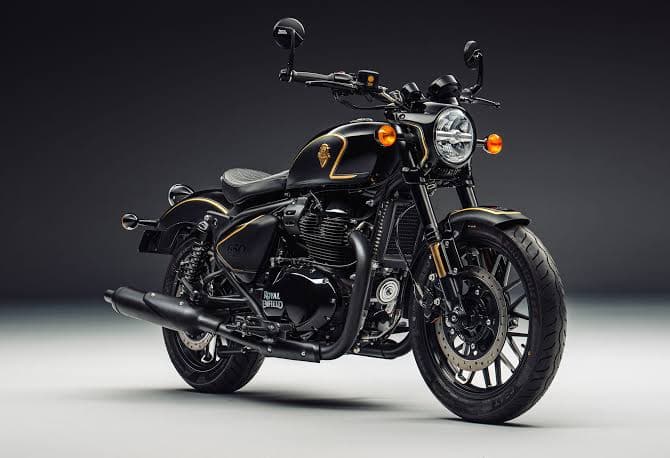
What's The Big News?
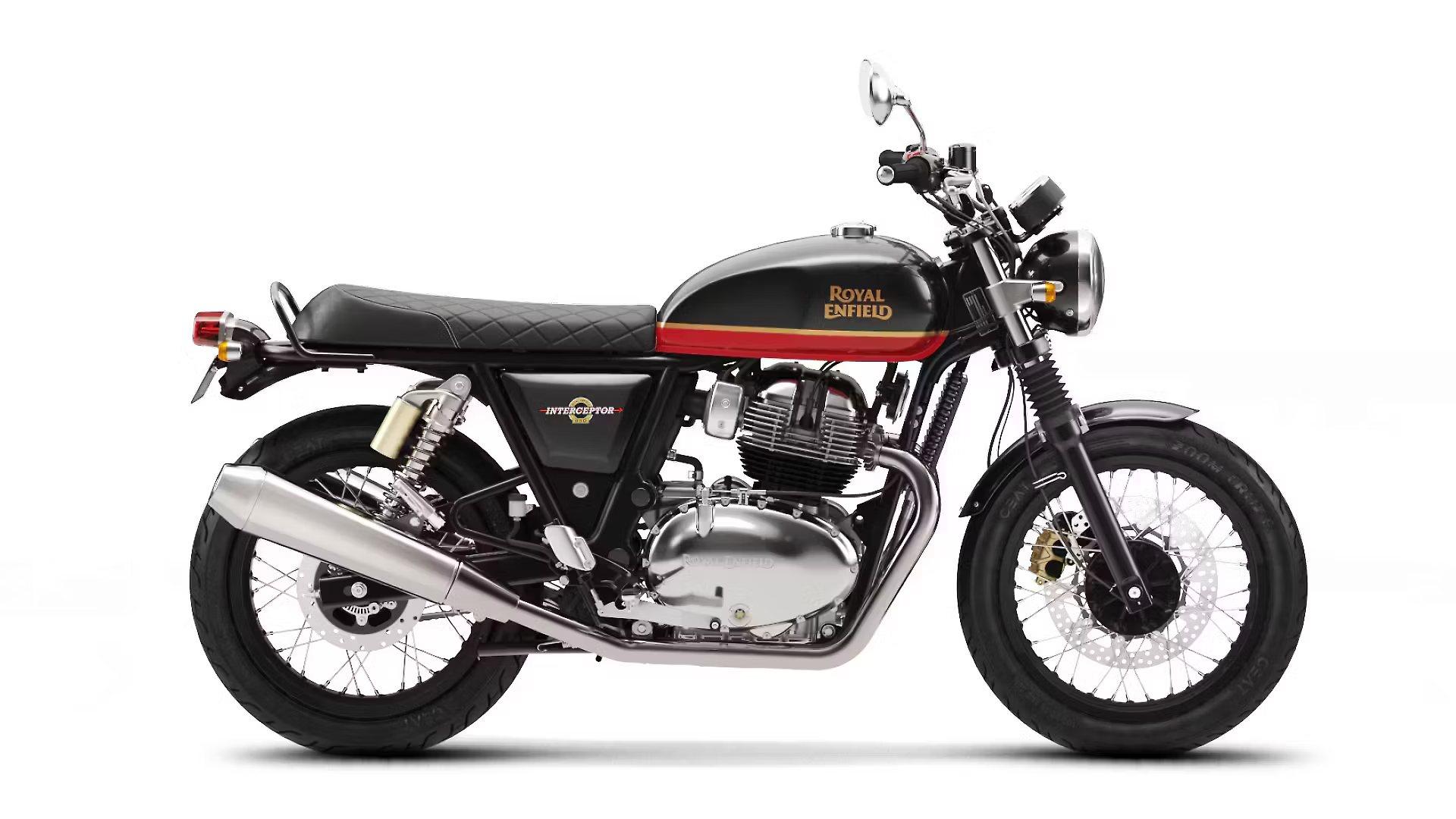
Alright folks, if you’ve been keeping an eye on the Indian two-wheeler scene, you’d know Royal Enfield has been on a roll. But even I was surprised by the latest numbers coming out of Chennai. Royal Enfield has officially registered its best-ever quarterly sales performance in Q2 FY27, that's July to September 2026, for those counting. We’re talking about a whopping 3,76,722 motorcycles sold in just three months!
This isn't just a good quarter; it's a historical one for the brand. Compared to the 3,27,067 units sold in the same period last year (Q2 FY26), that’s a solid 15 percent year-on-year growth. For a company that’s already a household name, pushing these kinds of numbers consistently shows they’re not just riding on legacy; they’re actively dominating a crucial segment of our market. It's a clear signal that their strategy is working, big time.
Royal Enfield's Winning Formula: Riding on New Waves
So, how did Royal Enfield manage to pull off such an impressive feat? It's not just one thing, but a mix of smart moves. First up, their product offensive has been relentless and, more importantly, effective. Bikes like the Hunter 350 have been absolute game-changers, bringing in a whole new demographic of riders who might have found other REs a bit too hefty or pricey. It's affordable, nimble, and still carries that unmistakable RE thump – a perfect recipe for urban India.
Then there’s the updated Classic 350. That bike, for many, is the quintessential Royal Enfield, and the refreshed model, with its improved engine and chassis, has managed to keep its loyalists happy while attracting new buyers. And let’s not forget the more recent launches, like the new Himalayan. While its full sales impact might not be entirely reflected in Q2 FY27, the buzz and anticipation it generated surely helped keep the brand in the spotlight, reminding everyone that RE isn't just about cruisers. They’ve successfully broadened their appeal without diluting their core identity, and honestly, it shows.
The Indian Mid-Capacity Market: A Royal Reign
This record-breaking performance isn’t just about Royal Enfield; it also tells a story about the Indian two-wheeler market. While some segments, particularly the entry-level commuter bikes, have seen some headwinds, the mid-capacity segment (think 250cc to 650cc) is absolutely booming. Indian buyers are increasingly looking for aspirational products, bikes that offer more than just point-to-point commuting, and RE has tapped into that desire brilliantly.
They’ve also managed to fend off rising competition from brands like Bajaj with its Dominar series, TVS with the Apache RR 310, and even some new entrants in the 400cc space. While these rivals offer compelling packages, Royal Enfield's brand pull, extensive service network, and the sheer emotional connection riders have with their machines give them an edge that’s hard to beat. It's not just about specs; it's about the feeling, the community, and that distinct thumping sound that resonates deeply with Indian enthusiasts.
Sales At A Glance
Metric | Q2 FY27 (Jul-Sep 2026) | Q2 FY26 (Jul-Sep 2025) | YoY Growth |
|---|---|---|---|
Total Motorcycles Sold | 3,76,722 units | 3,27,067 units | 15% |
Market Position | Highest-ever quarterly sales | Strong performance | Increased market share |
How Does It Stack Up Against The Competition?
When you look at the mid-capacity segment in India, Royal Enfield isn't just participating; it's leading the charge. While specific sales figures for direct competitors like the Bajaj Dominar 400 or even some of the smaller capacity KTMs for the same quarter aren't out yet, RE's numbers dwarf most of them in their respective niches. The sheer volume of over 3.7 lakh units in a quarter is something most manufacturers can only dream of in this segment. They've not only retained their traditional loyalists who swear by the Classic and Bullet, but they've also successfully poached customers from smaller displacement bikes looking to upgrade.
Brands like Honda's H'ness CB350 and Jawa/Yezdi have made commendable efforts to challenge RE's dominance, offering retro-modern alternatives with their own unique appeal. However, none have been able to match Royal Enfield's scale of sales or its deep-rooted presence across Tier 1, Tier 2, and even Tier 3 cities. Royal Enfield has built an ecosystem – from apparel to riding events – that makes owning an RE more than just owning a bike; it's a lifestyle. That's a huge advantage that most competitors are still struggling to replicate, especially for the price of a mid-spec Swift, you get a piece of motorcycling heritage.
The Good And The Not-So-Good
What We Like
- Phenomenal Sales Growth: 15% YoY growth and highest-ever quarterly sales speak volumes about the brand's health.
- Effective Product Strategy: New models like the Hunter 350 successfully expand market reach, while core products like the Classic 350 remain strong.
- Strong Brand Loyalty: RE continues to foster an incredibly loyal community, which translates directly to sales.
- Expanding Market Share: Dominating the crucial mid-capacity segment in India.
- Broad Appeal: Successfully attracting both traditional and new-age riders.
What Could Be Better
- Reliance on 350cc Platform: While successful, over-reliance could be a long-term risk if market preferences shift dramatically.
- Service Network Consistency: With such rapid growth, maintaining consistent service quality across all dealerships, especially in smaller towns, can be challenging.
- Faster Innovation in EV Space: While they have electric concepts, a quicker move into the mainstream EV segment could future-proof the brand even more.
- Quality Control for Newer Models: Early adopters sometimes report minor niggles, which RE is generally quick to address, but tightening QC from the start would be ideal.
What This Means for Bike Prices & Availability
With such a strong sales performance, don't expect any massive discounts on popular Royal Enfield models anytime soon. High demand usually means stable or even slightly increasing prices, especially for their best-selling bikes like the Hunter 350 and Classic 350. You might still find some deals during festive seasons, but don't hold your breath for fire-sale prices.
As for availability, waiting periods for the most in-demand models could potentially increase. Royal Enfield has been ramping up production, but a 15% growth means the factories are working overtime. If you’re planning to pick up a new RE, it’s always best to book well in advance. New launches or special editions, whenever they arrive, will likely see immediate demand, so be prepared to put down your booking quickly if you've got your eye on something special.
Our Verdict
Look, the numbers don't lie. Royal Enfield isn't just selling motorcycles; they're selling an experience, a lifestyle, and a piece of motorcycling heritage that resonates deeply with Indian riders. This record-breaking Q2 FY27 performance is a testament to their shrewd understanding of the market, their consistent product development, and their unwavering connection with their community. They’ve proven that even in a competitive landscape, a strong brand with a focused strategy can achieve remarkable success.
Honestly, Royal Enfield has truly cracked the code, offering bikes that are both aspirational and accessible, blending retro charm with modern reliability. They're not just leading the mid-capacity segment; they're defining it. For enthusiasts like us, this means more exciting products down the line and a robust, thriving Indian motorcycling scene led by a truly homegrown hero. It's a great time to be a Royal Enfield fan, or indeed, just an Indian motorcyclist.