What's The Big News?
For months now, the rumour mill has been churning non-stop about Royal Enfield’s popular 650 twins. Specifically, there was a lot of chatter, and frankly, a lot of hope, that the beloved Interceptor 650 would soon get a bigger heart – a beefier 750cc engine to be precise. Enthusiasts across India, from Mumbai to Chennai, were eagerly waiting, imagining those extra cubic centimetres translating into more grunt on the highway.
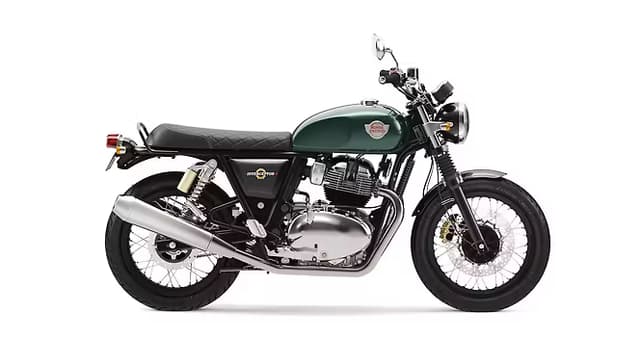
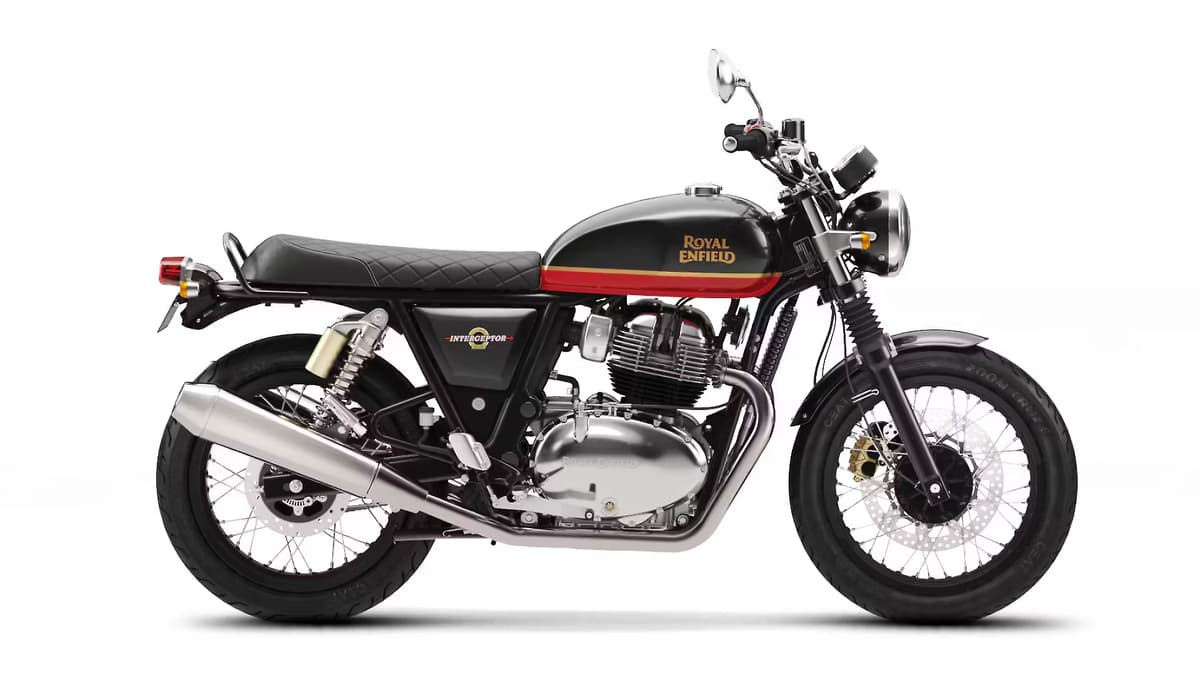
Well, here's the kicker: a new report suggests you might want to temper those expectations. It seems the Interceptor 650 isn't destined for that 743cc upgrade after all. While its sportier sibling, the Continental GT 650, reportedly did receive some form of 750cc treatment, the classic roadster">roadster will likely continue with its tried and tested 648cc parallel-twin. It's a bit of a damp squib for some, but let's be honest, the current engine is no slouch either.
No 750cc Upgrade For The Interceptor 650?
This news, if true, puts a halt to a lot of speculation. Many of us imagined a 750cc Interceptor with even more highway cruising capability, perhaps better low-end torque for city overtakes, or just that bragging right of a bigger engine. But Royal Enfield, it seems, has other plans for the INT 650.
Let's talk about the current 648cc engine for a moment. It's an absolute gem, isn't it? When it first came out, it redefined what a Royal Enfield twin could be. Smooth, refined, with enough grunt to keep you smiling whether you're commuting through Bangalore traffic or cruising down the Delhi-Jaipur highway. The 47 horsepower and 52 Nm of torque might not sound like much on paper compared to some international rivals, but the way it’s delivered – that’s where the magic is. It’s got a lovely, flat torque curve that makes it incredibly tractable, meaning you don't have to constantly row through the slick 6-speed gearbox.
So, why would RE stick with it? Well, for starters, this engine is a known quantity. It’s proven its reliability over years, and the supply chain is well-established. Introducing a new, larger engine – even if it's based on the same platform – involves significant re-engineering, testing, and production costs. Royal Enfield might also be looking at market segmentation. The Interceptor 650 is already a massive success, striking a perfect balance between performance, heritage, and affordability. Pushing it into a higher performance bracket with a 750cc engine might also push its price up, potentially alienating its core audience. Sometimes, 'if it ain't broke, don't fix it' makes a lot of business sense (and honestly, it shows in their sales numbers).
What Does This Mean For RE's 650 Twins Lineup?
This report suggests a clear distinction in Royal Enfield's strategy for its 650 twins. If the Continental GT 650 does indeed get the 743cc engine, it positions it as the more performance-oriented, sportier offering in the lineup. The Interceptor, on the other hand, would continue to champion the classic, relaxed roadster vibe. This makes sense from a product portfolio perspective, avoiding direct cannibalisation.
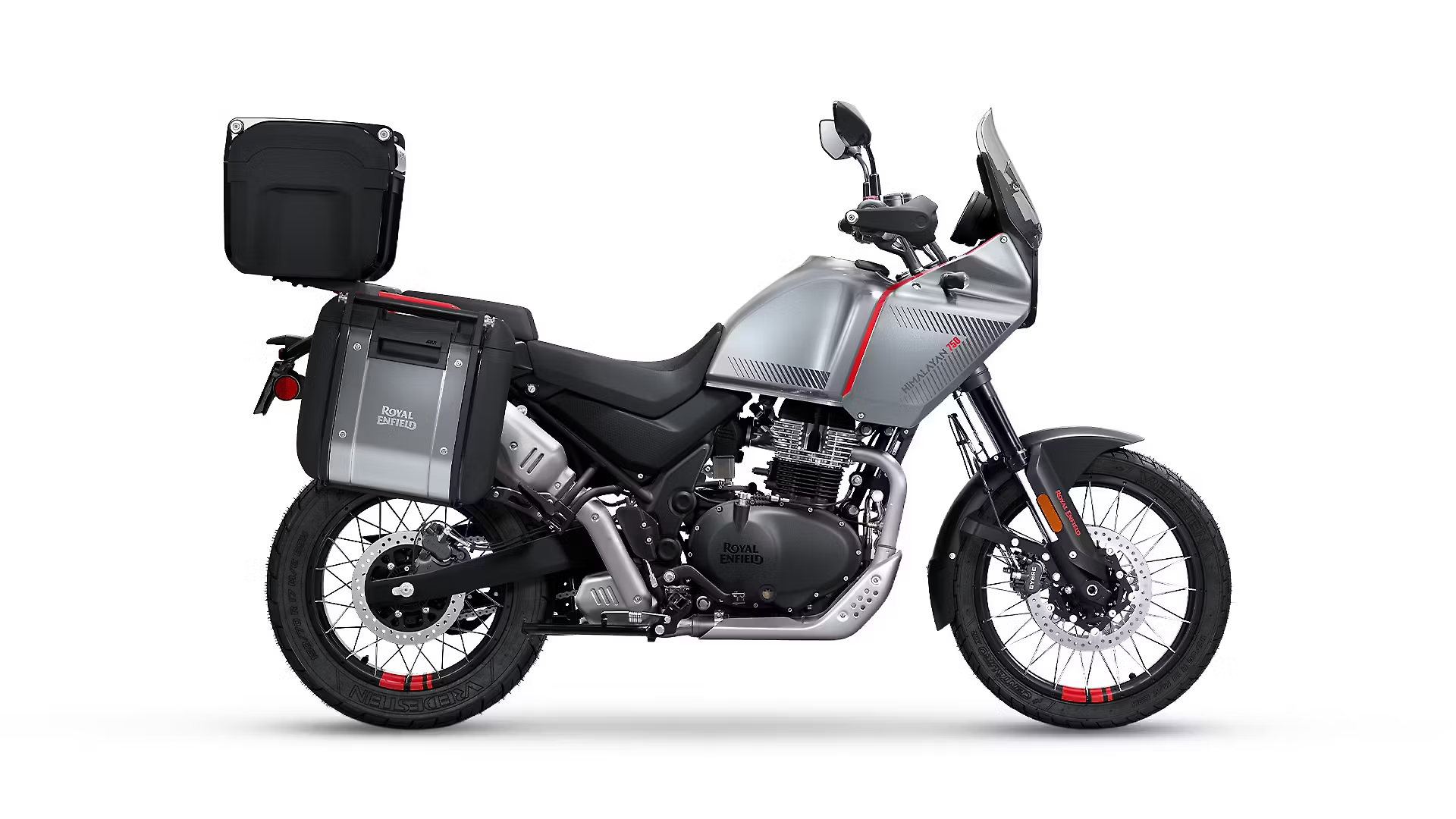
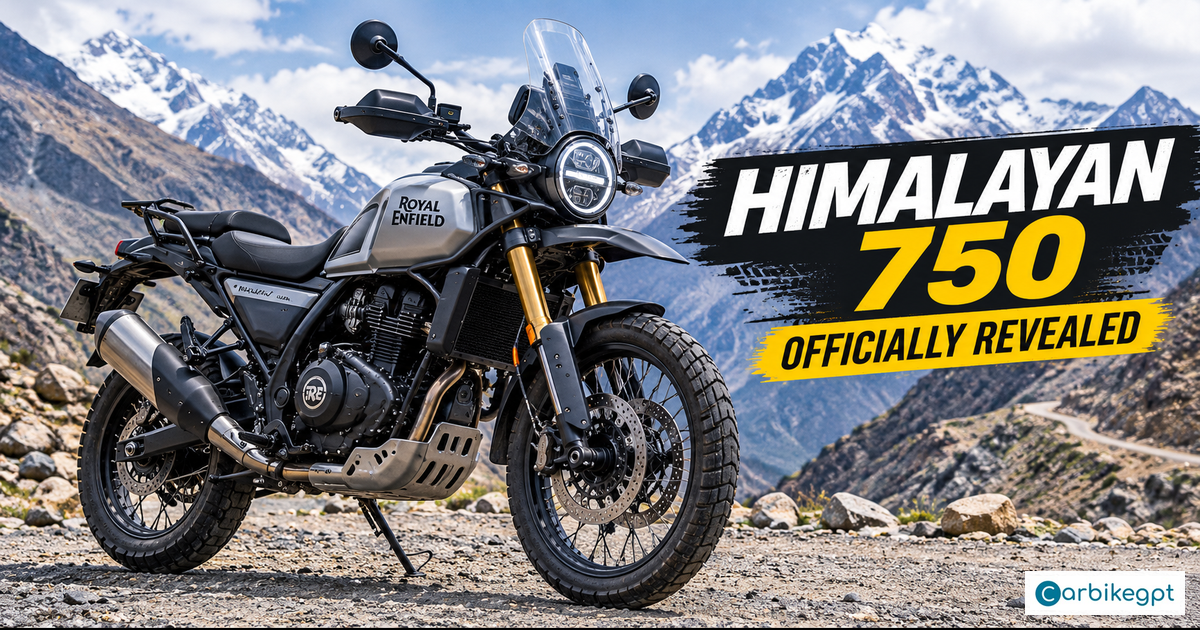
It also indicates that Royal Enfield might be saving the 743cc engine, or perhaps an even larger displacement, for entirely new models. Think about the Himalayan 450's success; a more powerful ADV like a Himalayan 750, or a new cruiser based on a bigger engine, could be in the pipeline. Keeping the Interceptor 650 as is allows it to remain a strong, accessible choice in the middleweight segment, a true people's bike that offers great value. It's a smart move to keep the current model's appeal intact while potentially exploring new segments with the bigger engine.
Specs At A Glance
Feature | Specification (Interceptor 650) |
|---|---|
Engine Type | 648cc, Parallel-Twin, 4-stroke, SOHC, Air/Oil-cooled |
Max Power | 47 bhp @ 7150 rpm (approx.) |
Max Torque | 52 Nm @ 5250 rpm (approx.) |
Gearbox | 6-speed Constant Mesh |
Front Suspension | 41mm Telescopic Fork, 110mm Travel |
Rear Suspension | Twin Coil-over Shocks, 88mm Travel |
Front Brake | 320mm Disc, ABS |
Rear Brake | 240mm Disc, ABS |
Fuel Tank Capacity | 13.7 Litres |
Kerb Weight | 202 kg (without fuel) |
How Does It Stack Up Against The Competition?
The Royal Enfield Interceptor 650 plays in a very interesting part of the market. For the price of a well-specced premium hatchback, you’re getting a proper twin-cylinder motorcycle with undeniable road presence and heritage. Its direct rivals are few and far between at its price point.
You've got bikes like the Benelli Leoncino 500, which offers a 500cc parallel-twin, good features, but comes with a slightly higher sticker price. Then there are the new entrants like the Triumph Speed 400 and Scrambler 400X, which are fantastic single-cylinder bikes, but at a lower displacement and different character. Higher up, you find bikes like the Kawasaki Z650RS, which is significantly more expensive, albeit with more power and premium components.
The Interceptor 650’s strength lies in its balance. It’s got enough power for almost all Indian road conditions, it looks fantastic, and it’s relatively easy to maintain. Its air/oil-cooled engine is simpler than liquid-cooled units, which often translates to lower service costs. For someone looking for a proper big bike experience without breaking the bank, and without getting into the complexities of high-strung, tech-laden machines, the Interceptor 650 still holds a very strong hand. The lack of a 750cc update doesn't change its fundamental value proposition.
The Good And The Not-So-Good
What We Like
- Timeless Design: That classic roadster look never gets old. It turns heads like few other bikes in its segment.
- Refined Engine: The 648cc parallel-twin is smooth, tractable, and surprisingly potent for everyday riding and touring.
- Comfortable Ergonomics: A relaxed riding posture makes it excellent for long rides and daily commutes.
- Value for Money: For a twin-cylinder bike of this calibre, it's incredibly well-priced, making big bike ownership accessible.
- Strong Aftermarket: Customisation options and accessories are abundant, allowing owners to truly personalise their ride.
What Could Be Better
- Weight: At over 200 kg (dry), it's a hefty machine, which can be felt in slow-speed manoeuvres.
- Basic Features: While classic, the instrument cluster is quite basic. A modern touch like a USB charger or slightly more advanced display would be welcome.
- Suspension Setup: The stock suspension is comfortable but can feel a bit soft if you're pushing it hard or dealing with really broken roads.
- Ground Clearance: While adequate, a little more wouldn't hurt, especially given our notorious speed breakers.
Price & When You Can Buy It
Since this report indicates no immediate engine upgrade for the Interceptor 650, its current pricing remains largely unchanged. You can expect the Royal Enfield Interceptor 650 to continue retailing from around ₹3.03 lakh (ex-showroom) for the base variants, going up for the custom and chrome finishes. There's no new model launch or price hike expected just because of this report.
You can walk into any Royal Enfield dealership today and book your Interceptor 650. Availability is generally good across the country, so you won't have to wait too long to get your hands on one.
Our Verdict
Here's the thing — while the idea of a more powerful 750cc Interceptor 650 was certainly enticing for many, the reality is the current 648cc bike is still a fantastic package. It's a motorcycle that's built for joy, for those weekend breakfast rides, and for soaking in the miles without drama. Honestly, I think Royal Enfield has made a pragmatic decision here. They've got a winner on their hands with the existing Interceptor, and perhaps they're saving that bigger engine for a model where it truly makes a distinct difference, rather than just adding a few more numbers to an already brilliant machine. The Interceptor 650 remains a top recommendation for anyone looking for a stylish, enjoyable, and surprisingly capable middleweight motorcycle in India.