What's The Big News?
Alright, listen up, because this is big. We've just heard from the Ministry of Road Transport and Highways (MoRTH) that the draft for India's next-generation emission standards – Bharat Stage 7, or BS7 as we'll all be calling it – is likely to drop within the next couple of months. Yeah, you read that right. The industry is already buzzing, and frankly, so should you be.
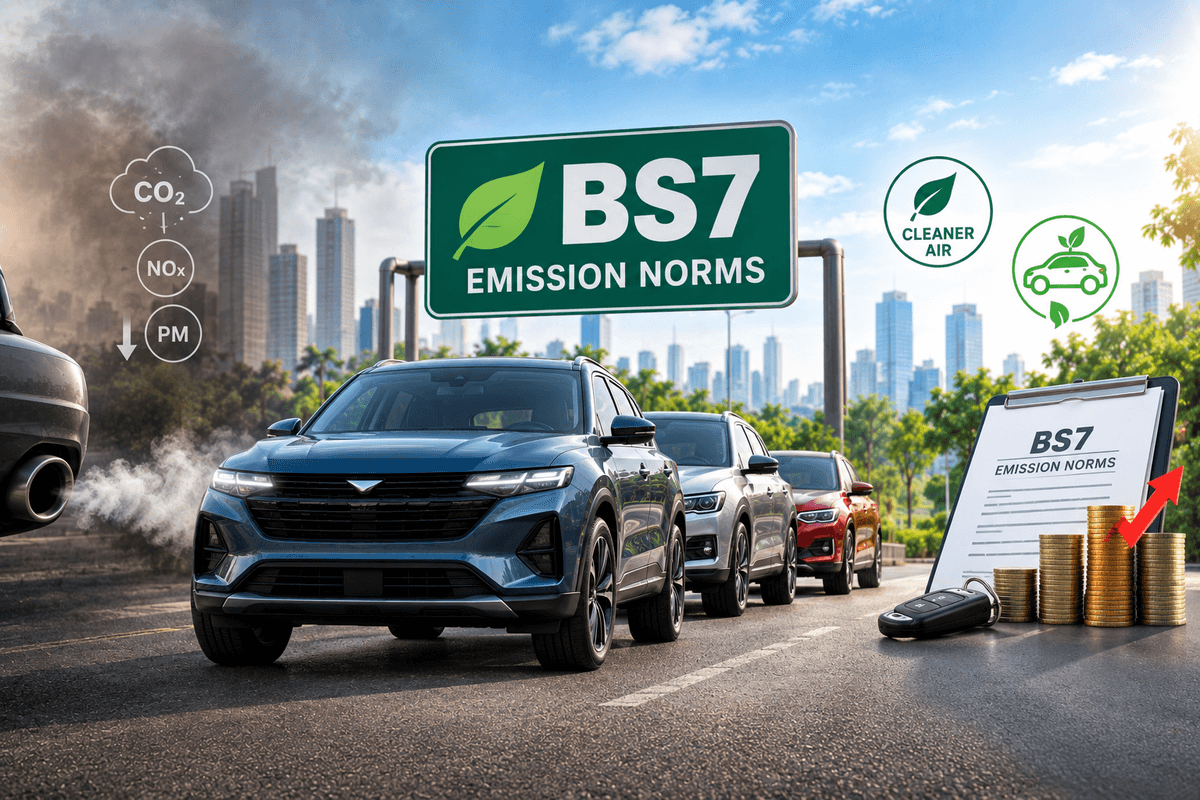
This isn't some minor tweak; it's the next monumental shift in how vehicles are made and how they run in our country. Think of it like the jump from BS4 to BS6, but potentially even more impactful. It means cleaner air for sure, but also big changes under the hood, and inevitably, a new price tag for that shiny new set of wheels you've been eyeing. This is going to redefine our automobile landscape.
India's Emission Game Just Got Serious: What BS7 Could Bring
So, what does BS7 actually mean for your next car or bike? It's all about pushing for even stricter control over pollutants. While the exact details are still under wraps until the draft is out (and honestly, it shows), we can expect a few key areas to be targeted. Real Driving Emissions (RDE) will likely become even more stringent. Remember how BS6 introduced RDE tests? BS7 is expected to crank that up, meaning vehicles will have to perform cleanly not just in lab conditions, but out on our chaotic Indian roads too. That's a huge challenge for manufacturers.
Beyond RDE, we're looking at much tighter limits on traditional pollutants like Nitrogen Oxides (NOx), Particulate Matter (PM), Carbon Monoxide (CO), and unburnt Hydrocarbons (HC). This will demand more sophisticated catalytic converters, advanced engine management systems, and probably even better on-board diagnostics (OBD) that monitor emissions performance throughout a vehicle's life. Essentially, every engine, whether petrol or diesel, will need to be a miniature powerhouse of clean tech. This could also mean some smaller, less efficient engines might struggle to meet the norms, potentially leading to their discontinuation. Get ready for some serious innovation!
Your Next Car Just Got Pricier (and Cleaner): The Cost of Going Green
Here's the thing — while cleaner air is a fantastic goal, it doesn't come cheap. We saw significant price hikes when the industry transitioned from BS4 to BS6, and we can expect a similar, if not greater, impact with BS7. Manufacturers will have to invest billions in research and development to update their engines and exhaust systems. This includes developing new catalysts, more precise sensors, and complex software to manage the entire system. That cost, naturally, will be passed on to us, the consumers. So, the car you buy a few years down the line, while undoubtedly cleaner, will likely carry a heftier price tag upfront.
Think about it: advanced exhaust after-treatment systems, improved fuel injection, even more robust turbochargers for optimal combustion. These aren't cheap components. For the price of a mid-spec Swift today, you might be looking at something a segment lower once BS7 kicks in. It's a trade-off, really. We pay more, but we get a greener, healthier environment. It's a bitter pill for the wallet, but a necessary one for our lungs.
Specs At A Glance
Aspect | Expected BS7 Targets |
|---|---|
Emission Limits (NOx, PM, CO, HC) | Significantly Stricter than BS6 |
Real Driving Emissions (RDE) | More Rigorous Testing & Compliance |
On-Board Diagnostics (OBD) | Advanced Monitoring for System Malfunctions |
Durability of Emission Components | Enhanced Lifespan & Performance Monitoring |
Cold Start Emissions | Tighter Control During Engine Start-up |
Fuel Quality Compatibility | Optimized for Cleaner Fuels |
What This Means for Car Buyers and Manufacturers?
For us, the buyers, this means a few things. First, as discussed, expect higher initial purchase costs. But also, potentially, better fuel efficiency from highly optimised engines, though the added complexity could mean higher maintenance costs down the road. You might see a shift away from certain engine types, especially smaller capacity diesels that become prohibitively expensive to clean up. On the flip side, you'll be driving a vehicle that contributes less to air pollution, which is a big win for everyone.
For manufacturers, this is a massive undertaking. They'll need to re-engineer powertrains, invest heavily in R&D, and re-tool production lines. This could lead to some consolidation in the market, as smaller players might struggle to keep up. We could see a greater push towards hybridisation and electrification, as these technologies inherently produce fewer tailpipe emissions. It's a race against time and technology for them, requiring incredible ingenuity and capital. India is trying to align its standards with global benchmarks like Euro 7, showing we're serious about battling pollution.
The Good And The Not-So-Good
What We Like
- Cleaner Air: This is the biggest win. Reduced pollution means better public health, especially in our choked cities.
- Technological Push: Forces Indian manufacturers to innovate, bringing cutting-edge engine and exhaust tech to our market.
- Global Alignment: Puts India on par with international emission standards, improving our environmental footprint.
- More Efficient Engines: Stricter norms often lead to engines that are not just cleaner but also more refined and efficient.
What Could Be Better
- Higher Vehicle Costs: The inevitable price bump will make new cars less accessible for some buyers.
- Increased Complexity: More tech means more things that *could* go wrong, potentially leading to higher long-term maintenance costs.
- Limited Budget Options: We might see a reduction in truly affordable car options as entry-level models become too expensive to upgrade.
- Transition Challenges: The industry will face significant hurdles in meeting these new standards in a tight timeframe, which could impact production and launches.
When Can We Expect This & What Will It Cost?
The MoRTH official, V Umashankar, mentioned the draft is likely in a couple of months. After the draft, there's a consultation period, then finalisation, and typically a few years before the rules are fully implemented for new vehicles. So, don't expect BS7 cars on the road before 2027 or even 2028. This isn't an overnight change; it's a multi-year roadmap.
As for the cost, as we've discussed, expect a significant bump. While specific figures are impossible to predict right now, history tells us that each emission norm upgrade adds a few thousand, sometimes even lakhs, to the price tag, depending on the segment and engine type. It won't be cheap, but it's the cost of progress.
Our Verdict
Look, the announcement of the BS7 draft is a clear signal that India is serious about tackling air pollution. It's going to be a challenging road for both manufacturers and consumers. We'll see cars become more technologically advanced, cleaner, and yes, more expensive. Honestly, while the price tag might sting initially, this is a necessary step towards a healthier future for all of us. As enthusiasts, we love performance, but we also breathe the same air. It's about finding that balance. The ball's now in MoRTH's court to reveal the specifics, and trust me, we'll be dissecting every detail for you right here on CarBikeGPT.com.