What's The Big News?
Alright, listen up, fellow petrolheads. We've just caught wind of a massive proposal from the Ministry of Road Transport and Highways (MoRTH) that could fundamentally change how safe our cars are. Imagine a future where your car actually helps prevent an accident even if you're momentarily distracted. Well, that future might just be coming to India, though perhaps not as quickly as some of us would like.
MoRTH is proposing to make Advanced Emergency Braking Systems (AEBS), commonly known as AEB, mandatory in all passenger cars sold in India. The proposed timeline? October 2032. Yes, you read that right – 2032. It's a huge step towards bringing Indian car safety on par with global standards, but that decade-long wait is certainly going to raise a few eyebrows, including mine.
India's Safety Revolution: The AEB Push
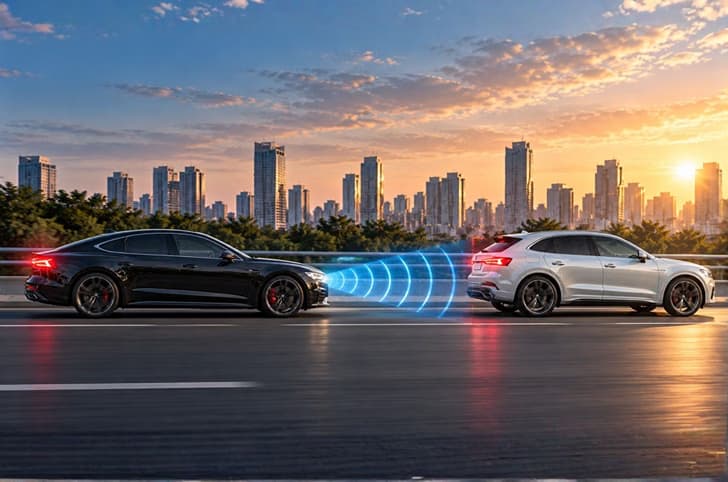
Here's the thing — this isn't just another small tweak; it's a fundamental shift. AEB isn't some fancy gimmick; it's a system designed to literally save lives by preventing or mitigating collisions. It works by using sensors, radar, and cameras to detect potential前方 (front-end) collisions with other vehicles, pedestrians, or even cyclists. If the system detects an imminent crash and the driver doesn't react in time, it first warns you, and then, if necessary, automatically applies the brakes.
For years, we've been pushing for stricter safety norms. From mandatory airbags to ABS, each step has made our roads a little safer. AEB takes it to the next level, offering active safety that intervenes *before* an impact. This isn't about surviving a crash better; it's about avoiding it altogether. Currently, AEB is mostly found in premium segments or top-spec variants of a handful of cars like the Mahindra XUV700 or MG Hector, usually as part of a broader ADAS (Advanced Driver-Assistance Systems) suite. Making it standard across the board, even in entry-level hatchbacks, will be a monumental task for manufacturers but a huge win for consumers.
The Long Road Ahead: Challenges & Timeline
Now, while the intent is fantastic, that October 2032 deadline has everyone talking. A decade is a really long time in the automotive world. We've seen technology evolve at breakneck speed; what's cutting-edge today might be commonplace tomorrow. The long lead time definitely gives manufacturers ample opportunity to integrate the technology, develop local supply chains, and amortise costs. But it also means we'll be waiting a full ten years for a safety feature that's already standard in many developed markets.
Integrating AEB into every car means significant investment for automakers. They'll need to re-engineer platforms, recalibrate manufacturing processes, and train their workforce. And let's be honest, fitting these sophisticated sensors and processing units into a ₹5 lakh hatchback isn't going to be cheap. The cost will inevitably be passed on to the consumer, which might make entry-level cars a bit pricier. But then again, can you really put a price on preventing a serious accident? We've seen how Maruti has struggled to offer premium safety features in their budget cars, so this will be a real test for them and others in the mass market segment.
Key Features of Advanced Emergency Braking (AEB)
Feature | Description |
|---|---|
Collision Warning | Acoustic and visual alerts to warn the driver of an impending frontal collision. |
Automatic Braking | If the driver doesn't react, the system automatically applies the brakes to reduce impact speed or prevent a crash. |
Pedestrian/Cyclist Detection | Advanced systems can identify vulnerable road users and react accordingly. |
Adaptive Cruise Control Integration | Often works in conjunction with ACC to maintain safe following distances. |
Sensor Technology | Utilizes radar, cameras, and sometimes lidar for comprehensive environmental sensing. |
How Does It Stack Up Against The Current Scenario?
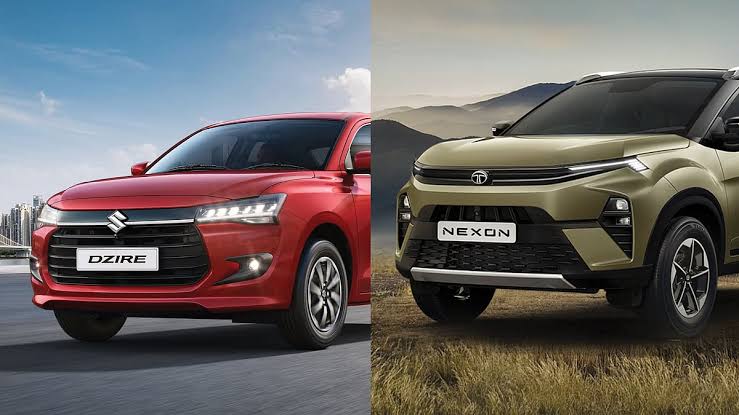
Currently, India's safety landscape is a mixed bag. We've got cars with 5-star GNCAP ratings, offering six airbags and even ADAS, sitting right next to entry-level models that barely scrape by with the minimum two airbags and ABS. AEB is a feature that's still largely a premium offering. Take the Hyundai Creta or Kia Seltos – you only get ADAS features, including AEB, in their top-end variants. The Tata Nexon, a popular choice, offers great passive safety but doesn't have AEB yet.
Making AEB mandatory will mean that even a humble Alto or a WagonR will have this life-saving tech. This is a massive leap from where we are now, where you often have to shell out for the most expensive trim or move to a segment higher to get such features. It’s a move that will truly democratize advanced safety, bringing it within reach of every car buyer, not just those with deep pockets. It's about time, MoRTH.
The Good And The Not-So-Good
What We Like
- Massive Safety Boost: This is a game-changer for road safety, actively preventing accidents.
- Standard Across All Cars: No more paying a premium for essential safety tech; it'll be for everyone.
- Pushes Manufacturers: Forces automakers to innovate and integrate advanced tech into even budget offerings.
- Aligns with Global Standards: Brings India closer to developed automotive markets in terms of safety regulations.
What Could Be Better
- The Long Wait: October 2032 is a decade away. Many lives could be saved if implemented sooner.
- Potential Price Hike: Entry-level cars will likely become more expensive, potentially affecting affordability.
- Implementation Challenges: Ensuring consistent performance across diverse road conditions and vehicle types will be complex.
- Tech Obsolescence: What's cutting-edge now might be outdated by 2032.
Price & When You Can Buy It
So, when can you expect to see this in your next car? Well, the proposed date for AEB to become mandatory in all new passenger vehicles is October 2032. That's a long way off, giving manufacturers plenty of time to adapt.
As for pricing, it's too early to give exact figures. However, it's a safe bet that integrating AEB will add to the manufacturing cost. We expect this to translate into a slight increase in ex-showroom prices across segments, especially for entry-level models that currently lack such advanced systems. Think of it this way: for the price of a mid-spec Swift today, you might get a safer, AEB-equipped car in the future, but that same Swift's base model might see a noticeable jump. Pricing will be announced closer to the actual implementation date.
Our Verdict
Honestly, this proposal is a huge step in the right direction for Indian road safety. AEB has proven its worth globally, and its mandatory inclusion will undoubtedly save lives and reduce accident severity. We've seen how India tragically leads in road fatalities, and technology like this is crucial to reversing that trend. However, that 2032 timeline feels incredibly drawn out. Ten years is an eternity when we're talking about preventing accidents. We feel MoRTH should push to fast-track this, perhaps bringing it forward by a few years. Manufacturers have shown they can adapt quickly when pushed, and the sooner we have safer cars on our roads, the better for everyone.