What's The Big News?
So, who's winning the big race in India's car market right now? Well, the numbers for April to September 2026 are out, and it's pretty clear: Maruti Suzuki and Tata Motors aren't just selling cars, they're gobbling up market share like it's free chai. These two giants have shown the biggest gains, cementing their dominance in the first half of the financial year.
But wait, there's a dark horse. While the big players grew, Nissan, a brand that often flies under the radar, actually posted the fastest percentage growth. That's a real head-scratcher for some, isn't it? It tells us there's more to this story than just the top sellers.
Maruti's Unstoppable Momentum
Let's be honest, Maruti Suzuki continues to be the undisputed king of Indian roads. Their market share gain in H1 FY27 isn't just a statistical bump; it's a testament to their deep understanding of what the average Indian buyer wants. From the Alto to the Grand Vitara, they've got a vehicle for every budget and every need, and their extensive service network, even in the remotest corners, gives buyers immense peace of mind (and honestly, it shows).
They're not just resting on their laurels, though. We've seen them push into new segments, especially with SUVs, which is where the market is booming. Their aggressive pricing strategies and strong fuel efficiency numbers continue to attract first-time buyers and upgrade seekers alike. It's a formula that just keeps working, year after year.
Tata Motors: The Homegrown Hero's Rise
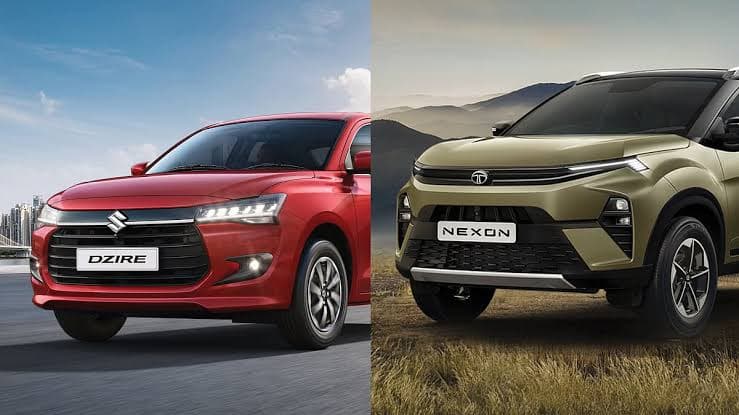
Then there's Tata Motors, our very own homegrown champion, making serious waves. Their market share gain isn't just about selling more cars; it's about building a brand synonymous with safety and innovation, especially in the EV space. The Nexon, Punch, and Altroz have really struck a chord with Indian families looking for something robust, stylish, and, crucially, safer than many rivals for the price of a mid-spec Swift.
What's particularly impressive is their leadership in electric vehicles. The Nexon EV and tiago-ev">Tiago EV have practically defined the affordable EV segment in India. This early mover advantage, coupled with their focus on design and build quality that's often better than what Maruti gives you at this price point, is clearly paying off. They're not just selling cars; they're selling a vision for the future of Indian motoring.
Nissan's Surprising Spurt: What's Driving It?
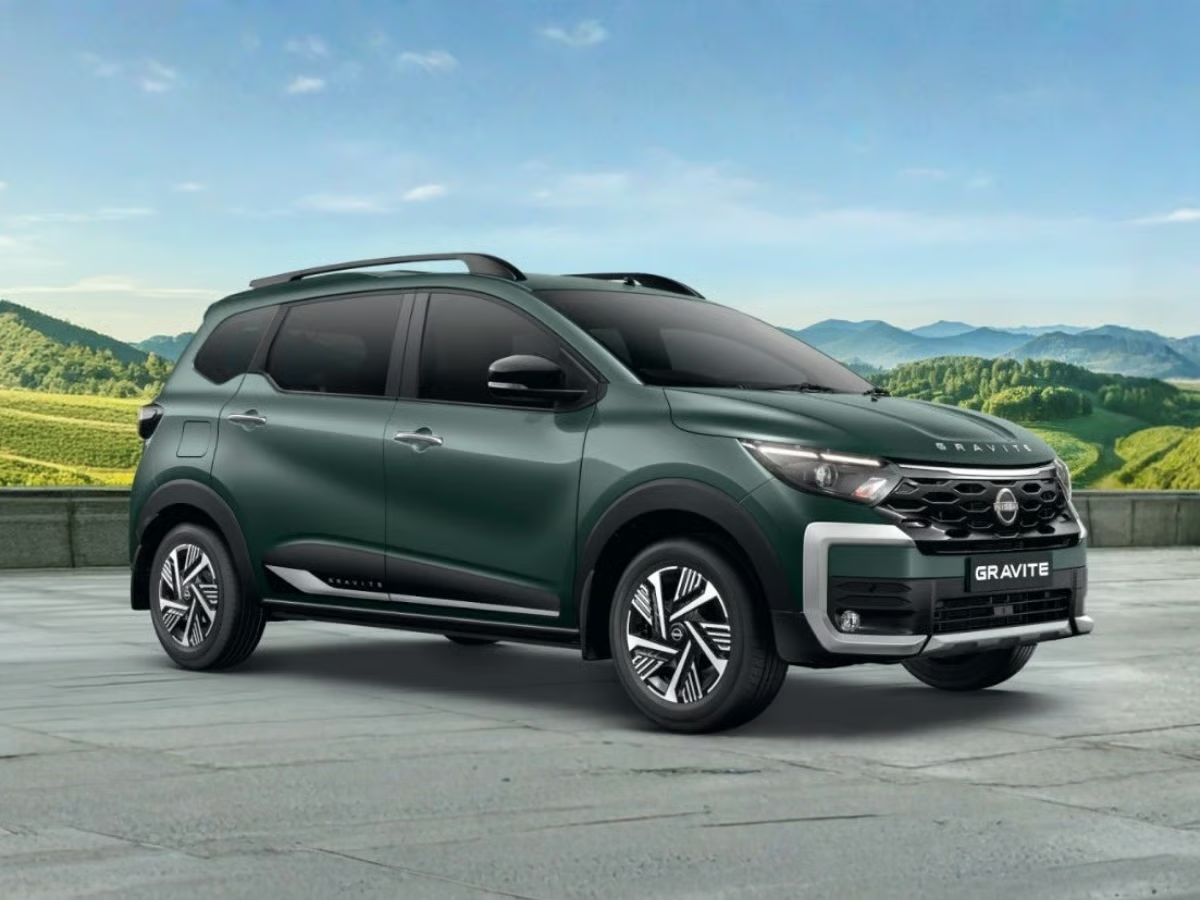
Now, let's talk about Nissan. Their fastest percentage growth is something you don't hear every day. While their overall volumes are still much lower than Maruti or Tata, this kind of growth indicates a specific success story. And honestly, it's almost certainly down to one car: the Magnite.
The Magnite, with its aggressive pricing, decent feature list, and SUV stance, has really resonated with buyers looking for value. It's a prime example of how a single, well-positioned product can make a significant impact, even for a brand that's been struggling for broader market presence. It just goes to show, sometimes all it takes is one killer product to turn the tide, even if it's a gradual turn.
Specs At A Glance
Metric | Details |
|---|---|
Reporting Period | April – September 2026 (H1 FY27) |
Largest Market Share Gains | Maruti Suzuki, Tata Motors |
Fastest Percentage Growth | Nissan |
Source Category | Car Sales Report |
How Does It Stack Up Against The Competition?
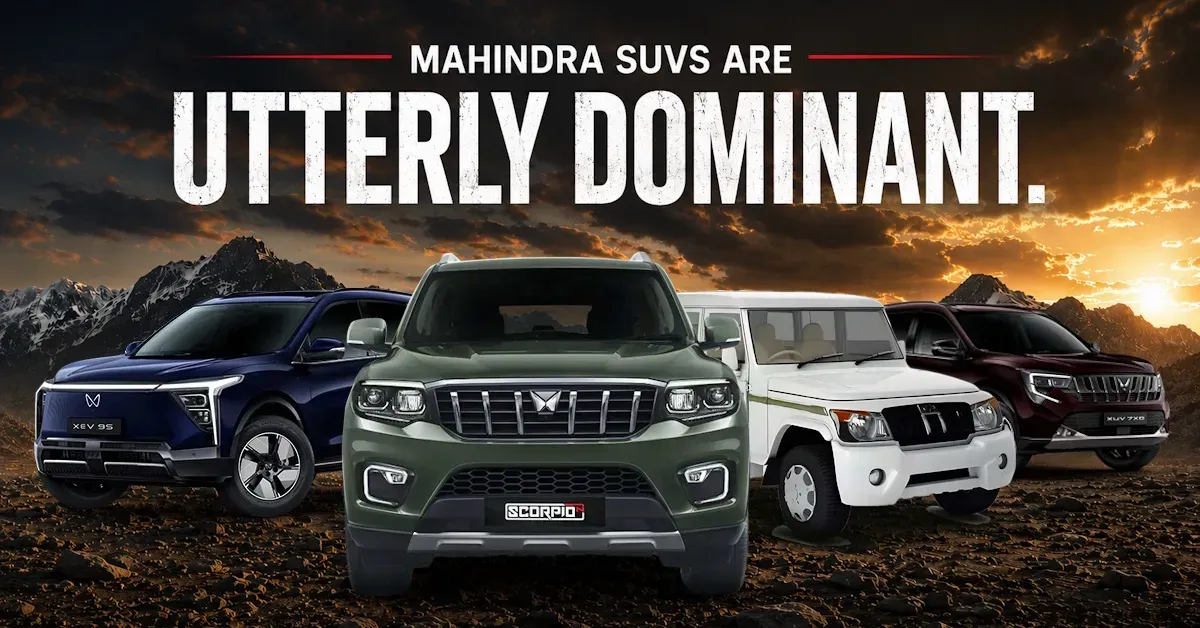
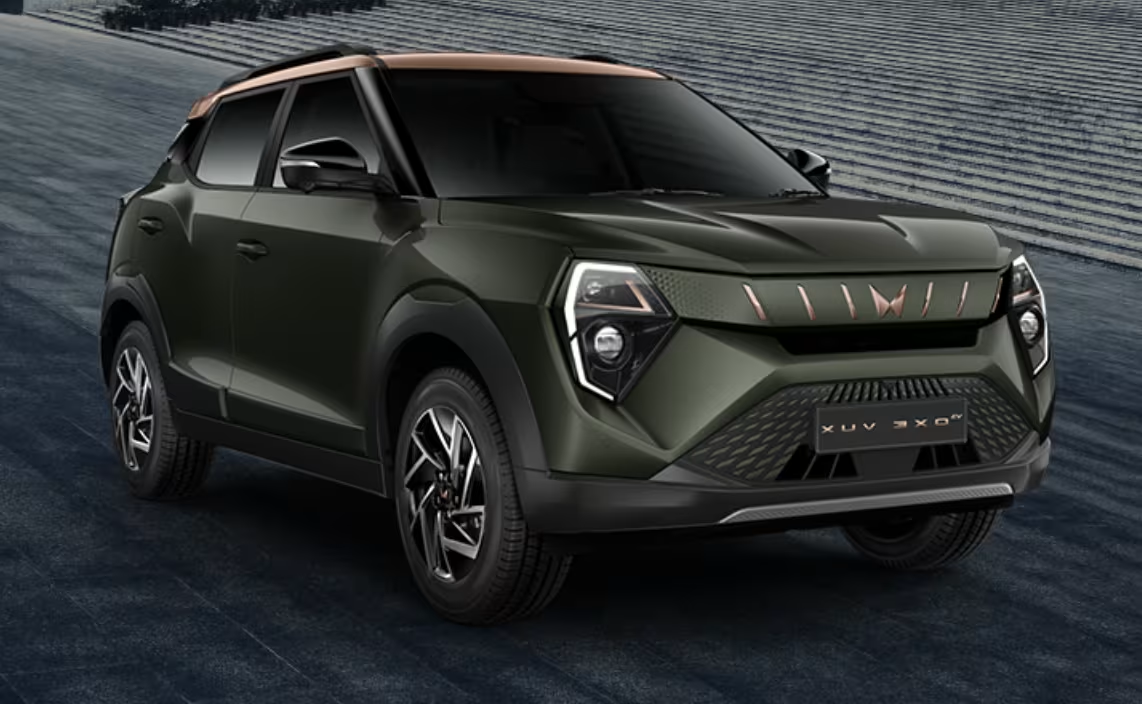
When we talk about market share, it's not just Maruti and Tata in the ring. Hyundai and Mahindra are strong contenders, and Kia has carved out a significant niche in a short time. Hyundai, with its premium offerings and strong brand recall, maintains a solid position, but its growth might not be as explosive as Tata's due to different market strategies. Mahindra, on the other hand, is a force to reckon with, especially in the SUV segment, consistently challenging both Maruti and Tata for SUV dominance.
What we're seeing is a market where brand loyalty, product diversification, and innovation (especially in EVs) are key. Maruti thrives on volume, reliability, and reach. Tata on safety, design, and EV leadership. Other players need to find their unique selling propositions to either catch up or maintain their ground against these two powerhouses.
The Good And The Not-So-Good
What We Like
- Maruti's consistent performance and ability to adapt to market demands.
- Tata's strong focus on safety and leadership in the electric vehicle segment.
- Nissan's Magnite showing how a single, value-for-money product can drive growth.
- Healthy competition that pushes all manufacturers to innovate and offer better products.
What Could Be Better
- Other major brands need to step up their game to challenge the dominance of Maruti and Tata more effectively.
- The need for more diverse and innovative offerings across all price points from a wider range of players.
- Over-reliance on just one or two successful models for some brands, which can be risky in the long run.
Price & When You Can Buy It
Since this isn't about a new car launch but rather a market performance report, there's no 'price' or 'when you can buy it' here. These are the results of cars already available in showrooms across the country from April to September 2026. What you can buy are the popular models from Maruti, Tata, and Nissan that contributed to these numbers!
Our Verdict
Here's the thing — the Indian automobile market is a brutal battlefield, and these H1 FY27 numbers show us who's really understanding the pulse of the buyer. Maruti's continued dominance isn't just about legacy; it's about adapting and delivering what the masses want. Tata's rise is a powerful story of a homegrown brand innovating and prioritizing safety, capturing a new generation of buyers.
In my opinion, these trends reflect a maturing market where value, reliability, and increasingly, safety and green technology, are driving purchase decisions. It's an exciting time to be an Indian car buyer, with more choices and better products emerging all the time. Let's see how the second half of the financial year shapes up!