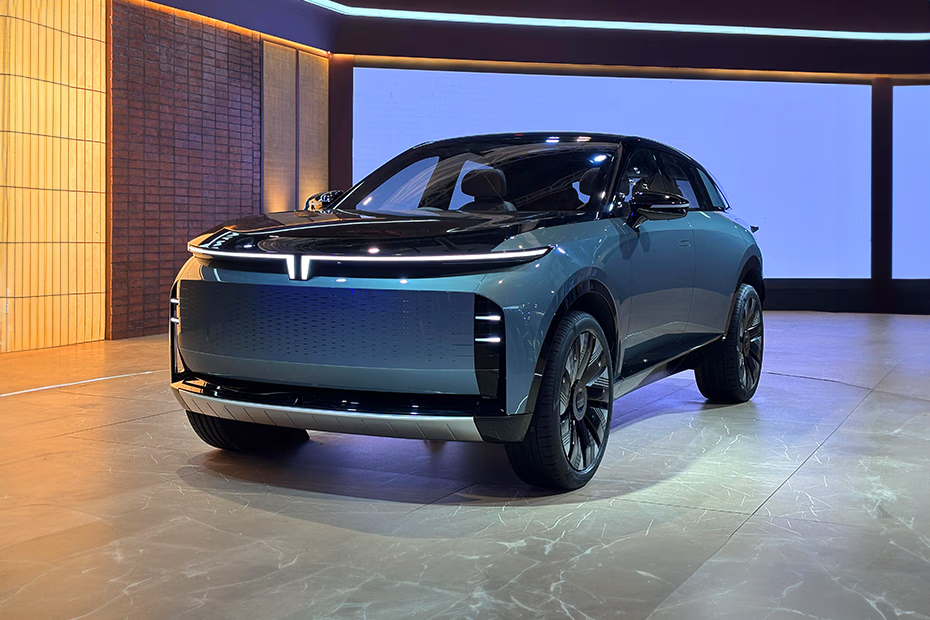
Tata Motors is preparing for the next phase of its electric vehicle journey, and this time the focus is clearly on the premium end of the market. According to information from Autocar Professional, the first Tata Avinya premium EV is likely to be launched in 2026, marking the brand’s entry into a higher price and positioning bracket.
The Avinya brand will sit above Tata Motors’ current EV lineup and is expected to include five models, internally codenamed P1, P2, P3, P4 and P5. These upcoming Tata Avinya EVs will be based on Jaguar Land Rover’s EMA architecture, which is designed specifically for modern electric vehicles. Tata Motors is said to be investing over USD 1 billion as part of this premium EV strategy.
The P1 will be the first Tata Avinya model to reach showrooms. It is based on the Avinya concept that was unveiled in 2022 and is now in the final stages of development. Sources suggest the Tata Avinya P1 will be priced above Rs 35 lakh, making it the most expensive Tata car so far. The company expects annual volumes of around 24,000 units, indicating that this will be a niche but important product.
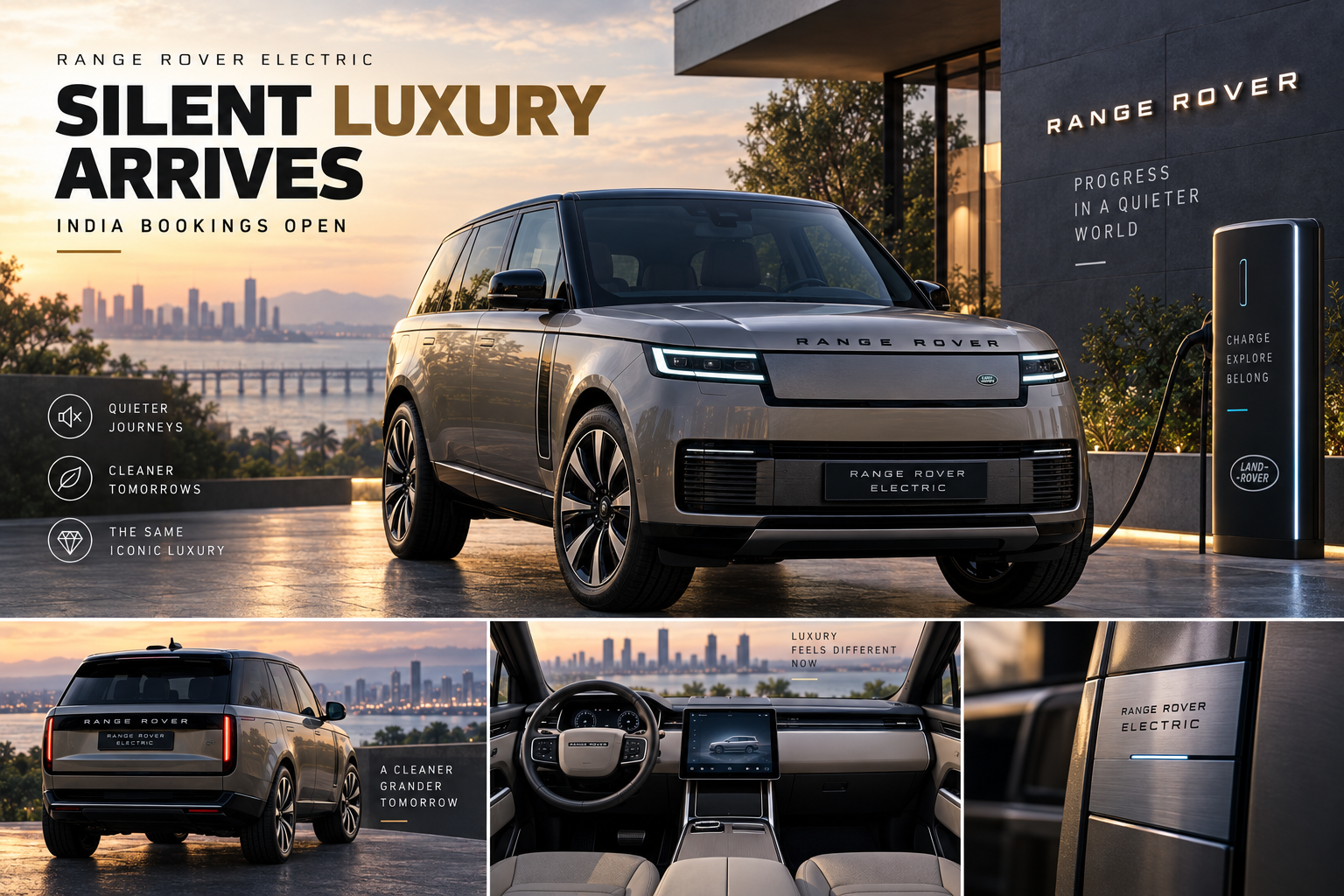
Other models under the Avinya brand are at different stages of planning. The P2 is expected to be a 4.4-metre electric SUV, while the P3 could be a larger utility vehicle, similar in size to premium MPVs sold globally. More progress has reportedly been made on the P4 and P5. The Tata Avinya P4 is said to be a lifestyle SUV comparable to the Range Rover Velar, while the P5 could be a full-size, three-row electric SUV. The P4 may make its public debut at the Bharat Mobility Global Expo 2025.
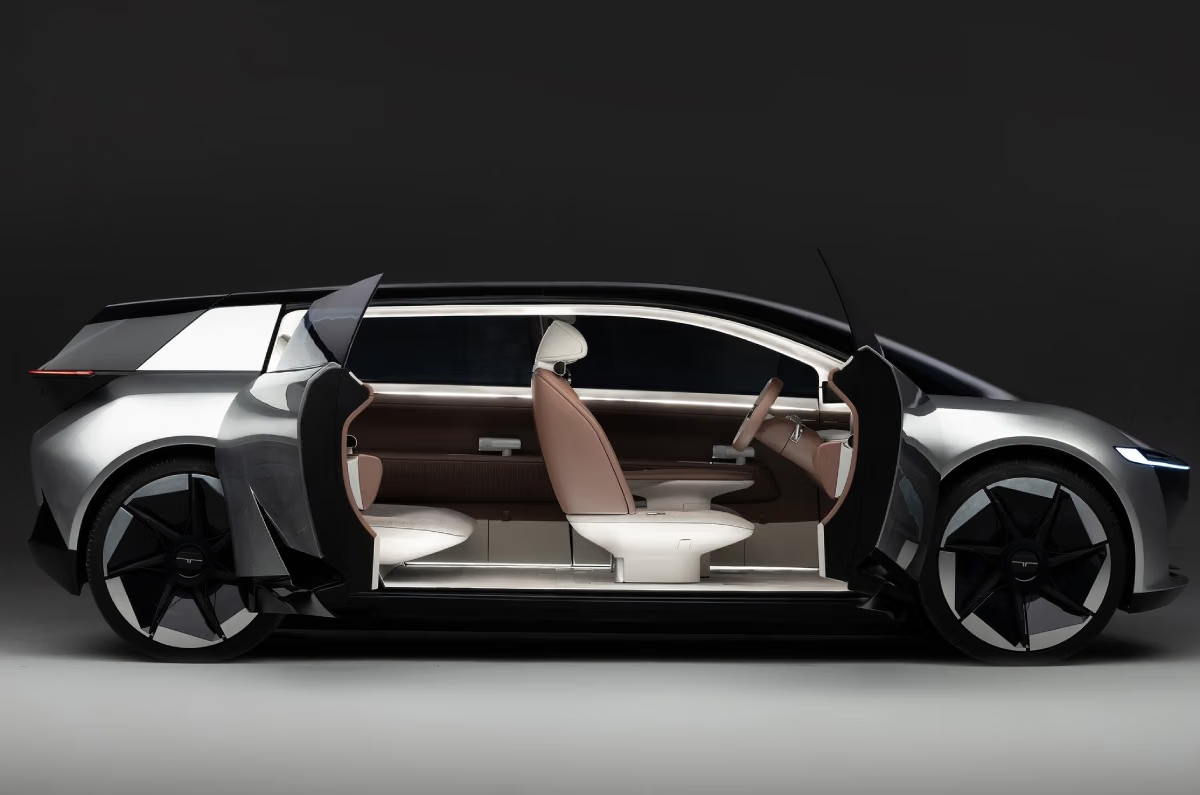
Production of the Tata Avinya P1 will take place at Tata Motors’ Sanand plant in Gujarat, which was acquired from Ford India. Future Avinya models may be manufactured at a new facility planned in Tamil Nadu, though final decisions are still pending. Tata Motors has indicated that Avinya will be a family of products rather than a single model, and sales are likely to be handled through existing dealerships.
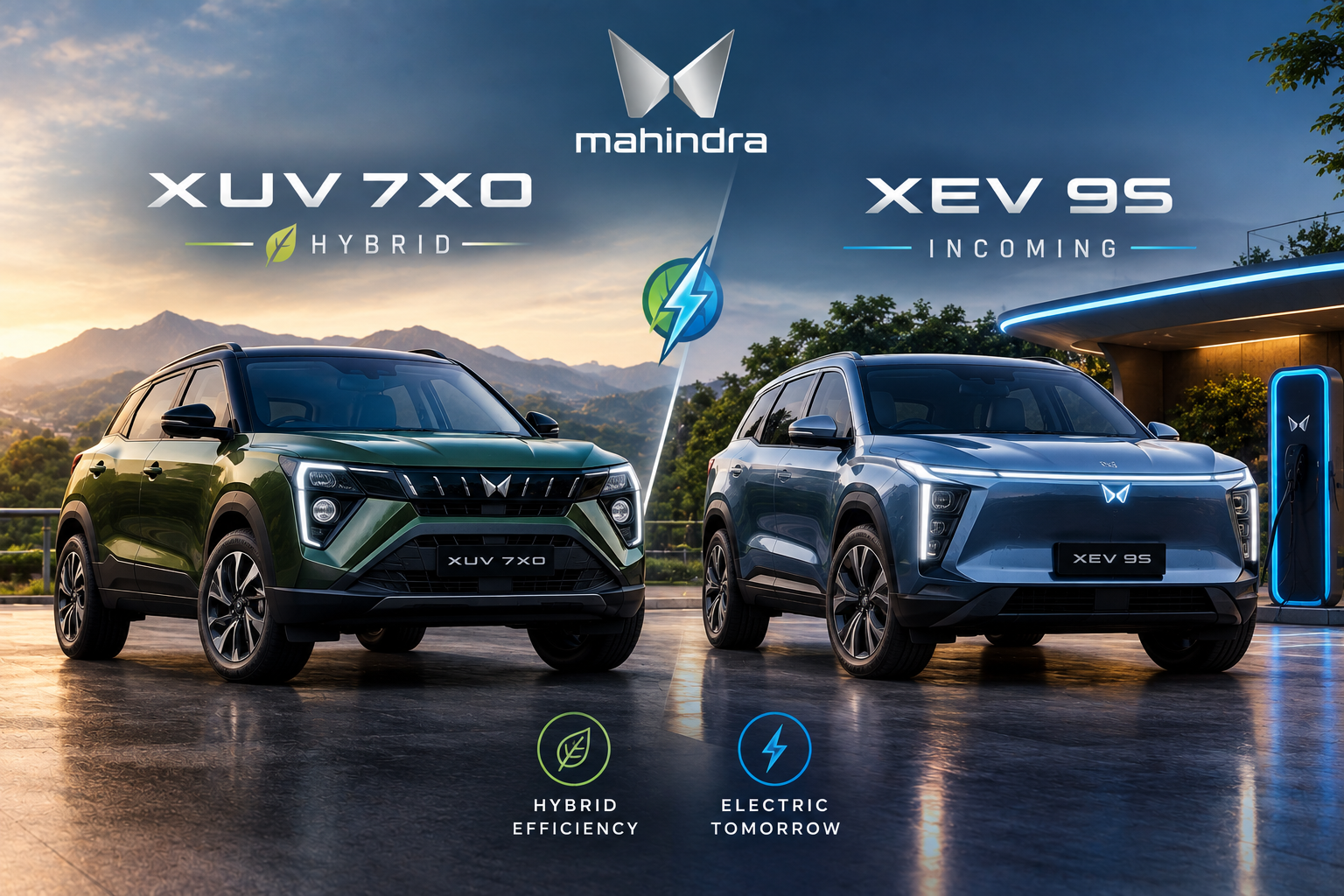
The Tata Avinya launch comes at a time when competition in India’s EV market is intensifying. Rivals like Mahindra, Hyundai, Kia and MG are expanding their electric portfolios, while Maruti Suzuki is preparing entry-level EVs. Despite increased competition, Tata Motors remains confident, aiming for EVs to contribute over 30 percent of its total sales by 2030. The Avinya brand will play a key role in helping Tata strengthen its position in the premium electric car segment.