What's The Big News?
Alright folks, listen up! Honda just dropped a bomb, and it’s not a small one. We’re talking about a massive push into the Indian two-wheeler market, announcing a whopping ten new models – that’s right, ten – covering both motorcycles and scooters. And if that wasn’t enough to get your gears turning, they’re also making a serious play for the premium electric vehicle segment. Honda, finally getting serious about India's diverse demands? It certainly looks like it.
For years, many of us have felt Honda’s India strategy was a bit too cautious, relying heavily on a few evergreen hits. But this announcement changes the game entirely. This isn't just about a couple of minor facelifts; it's a strategic offensive designed to capture more market share, offer more choices, and, crucially, tackle the rapidly growing EV space. It’s a big deal for anyone thinking of buying a new bike or scooter in the next year or two, believe me.
Honda's Strategy: Mass Market & Premium Punch
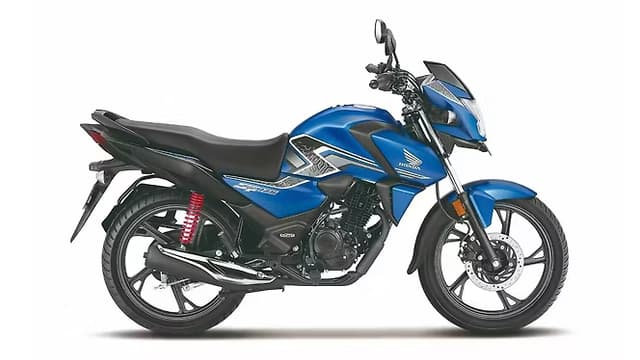
So, what does this "ten new models" really mean for us on the ground? Well, you can expect a mix, naturally. Honda’s got a strong hold on the commuter segment with bikes like the Shine and scooters like the Activa, and they’re definitely not going to abandon that. We’re likely to see updates to existing popular models, maybe some new variants, and perhaps even a few entirely fresh faces designed to capture specific niches in the 125cc to 350cc segments.
Think about it: a new 150cc commuter that’s more stylish, or a 300cc offering that actually competes head-on with the likes of Royal Enfield beyond just the H’ness CB350. These bikes and scooters won't just be about getting from point A to point B; they'll need to offer more features, better tech, and design that resonates with the young Indian buyer who's looking for something beyond the usual. Honda's known for its refinement and reliability, and we expect that to continue, but with a much-needed injection of modernity and maybe, just maybe, some aggressive pricing. (And honestly, it shows they’re feeling the heat from competitors like TVS and Bajaj.)
The premium push is where things get really interesting for their petrol-powered lineup. We’ve seen Honda dip its toes with the BigWing network, offering bikes like the CB300R and the aforementioned H’ness. Expanding this premium portfolio means we could see more international models making their way to our shores, possibly even some middleweight adventure bikes or sport tourers that could directly challenge the likes of KTM and Kawasaki in specific segments. It’s about building a ladder, giving existing Honda owners something aspirational to upgrade to within the brand itself.
The Electric Future: Honda's Premium EV Line-up
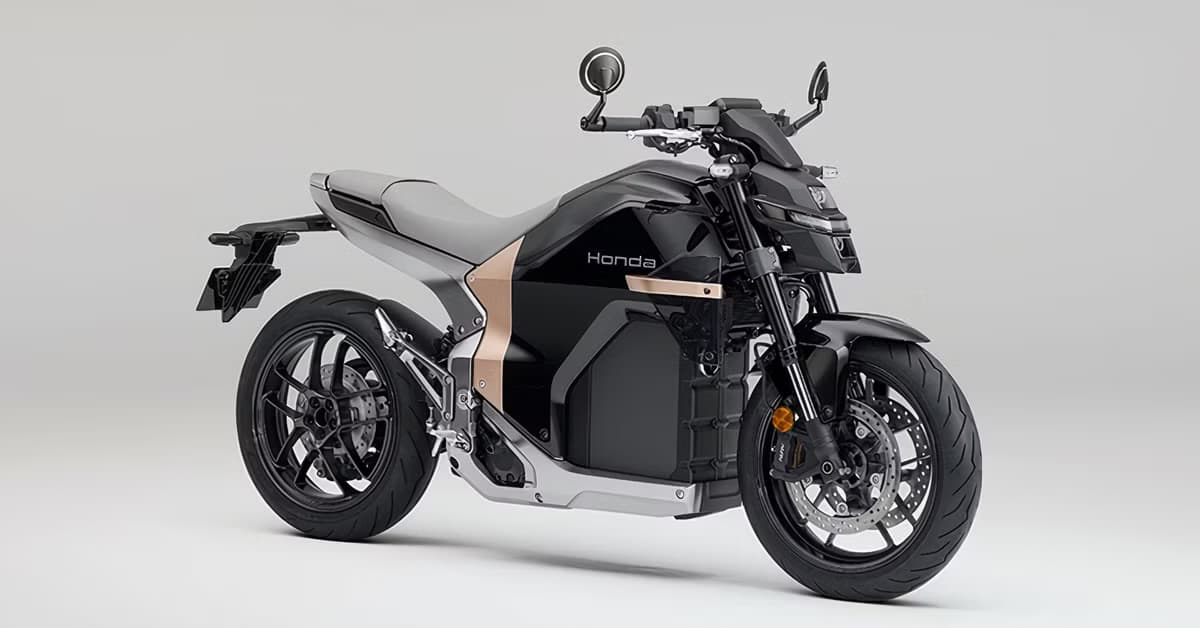
Now, let’s talk electric. This is arguably the most significant part of Honda’s announcement. For a brand that's been notoriously slow on the EV uptake in India, a commitment to a "premium EV line-up" is a huge statement. We're not talking about just another budget electric scooter here; "premium" implies a focus on better range, faster charging, advanced features, and perhaps even some high-performance electric motorcycles.
Imagine a Honda electric scooter that can genuinely compete with an Ather or an Ola S1 Pro, not just in terms of raw specs, but with Honda’s legendary build quality and reliability. That’s a serious proposition. They'll need to address range anxiety head-on, potentially with swappable battery tech or a robust charging network, which they've hinted at developing. This move isn't just about selling vehicles; it's about building an entire EV ecosystem, something the market desperately needs from a major player like Honda. Honestly, for Honda to finally make this kind of explicit commitment to premium EVs in India, it feels like a turning point, not just for them, but for the wider EV landscape here.
The "premium" aspect also suggests these won't be entry-level vehicles. Expect prices that reflect the technology and brand value, potentially positioning them against the higher variants of existing electric scooters or even some smaller capacity petrol motorcycles. This strategy could help them carve out a niche where buyers prioritize quality and reliability over rock-bottom pricing, a segment currently dominated by startups rather than established giants.
Specs At A Glance
Category | Details (New Models) |
|---|---|
Number of New Models | 10 (Motorcycles & Scooters) |
Fuel Type (New Models) | Petrol & Electric (EVs) |
Engine Capacity (Petrol) | Expected across various segments (commuter to middleweight) |
EV Strategy | Expansion of "Premium EV Line-up" |
Battery Technology (EVs) | Details TBA, swappable battery tech hinted |
Launch Timeline | Phased rollout over the coming years |
Target Segment | Mass market, aspirational, and premium EV buyers |
How Does It Stack Up Against The Competition?
This aggressive move by Honda is a direct challenge to pretty much everyone. In the petrol two-wheeler space, they’re taking on the likes of Hero MotoCorp in the commuter segment, Bajaj in the performance-oriented 150-200cc categories, and even Royal Enfield in the burgeoning mid-size motorcycle segment with their BigWing offerings. Honda's advantage has always been its engine refinement and reliability, which usually translates to higher resale value. If these new models can bring compelling features and design without a significant price premium, they could easily steal market share.
In the EV domain, the competition is fierce and diverse. Ather Energy, TVS iQube, Ola Electric, and Bajaj Chetak are already established players, each with their own strengths. Honda's "premium EV" approach suggests they're aiming for the higher end of the market, where quality, reliability, and service network become critical differentiators. While startups like Ather and Ola have the tech edge and aggressive pricing, Honda has the trust and a vast service network that could be a game-changer for EV adoption, especially for customers who are hesitant about new brands. They'll need to ensure their EV tech is cutting-edge and their charging solutions practical for Indian conditions, or they'll simply be playing catch-up.
The Good And The Not-So-Good
What We Like
- More Choices: A massive expansion of 10 models means more options for every kind of rider.
- Serious EV Intent: Honda finally committing to a "premium EV line-up" is fantastic news for the electric mobility sector.
- Honda Reliability: The brand's reputation for quality and refinement is a big plus, especially in new segments.
- Potential for Innovation: This push could bring new tech and features previously missing from Honda's Indian portfolio.
- Wider Reach: Expanding offerings means more people might find a Honda that fits their needs and budget.
What Could Be Better
- Lack of Specific Details: We're still in the dark about exact models, specs, and features, which makes it hard to get truly excited.
- Honda's Pricing History: Historically, Honda often prices its products at a slight premium; competitive pricing will be key here.
- EV Infrastructure: While Honda hints at it, a robust charging and service network for EVs needs to materialize quickly.
- Design Language: Hopefully, the new models bring fresh, contemporary designs rather than conservative updates.
- Launch Timelines: A phased rollout could mean a long wait for some of the more exciting models.
Price & When You Can Buy It
As of now, specific pricing for the ten new models and the premium EVs is, naturally, under wraps. Honda has only just unveiled its intentions, not the final products. However, given their broad approach, we can expect the new petrol motorcycles and scooters to span a wide range, from competitive commuter segments (likely starting around the ₹80,000 to ₹1.5 lakh mark for motorcycles, and ₹70,000 to ₹1.2 lakh for scooters, ex-showroom) up to the more premium BigWing offerings which could push past ₹2.5-3 lakh.
For the premium EV line-up, "premium" suggests they won't be aiming for the absolute lowest price point. Expect them to be competitive with the higher-end variants of existing electric scooters, potentially in the ₹1.2 lakh to ₹1.8 lakh range (ex-showroom) for scooters, and if they bring electric motorcycles, those could go significantly higher. As for availability, Honda has indicated a phased rollout over the coming years, starting with some models hitting dealerships within the next financial year. So, don’t expect all ten to land at once; it’s going to be a gradual introduction.
Our Verdict
Look, this is big. Honda, for years, has been seen as the safe, reliable, but sometimes a bit boring option in India. This announcement of 10 new models and a dedicated premium EV push signals a serious intent to shed that image and truly compete across the board. It’s a much-needed shot in the arm for their lineup and fantastic news for Indian consumers who crave more choices from a trusted brand. While we're still short on specific details, the sheer scale of this offensive suggests Honda is finally ready to unleash its full potential here. Honestly, if they nail the pricing and features, especially with their EVs, they could really shake up the market in a way we haven't seen from them in a long time. Now, the real test begins: delivering on this ambitious promise with products that truly resonate with us.