What's The Big News?
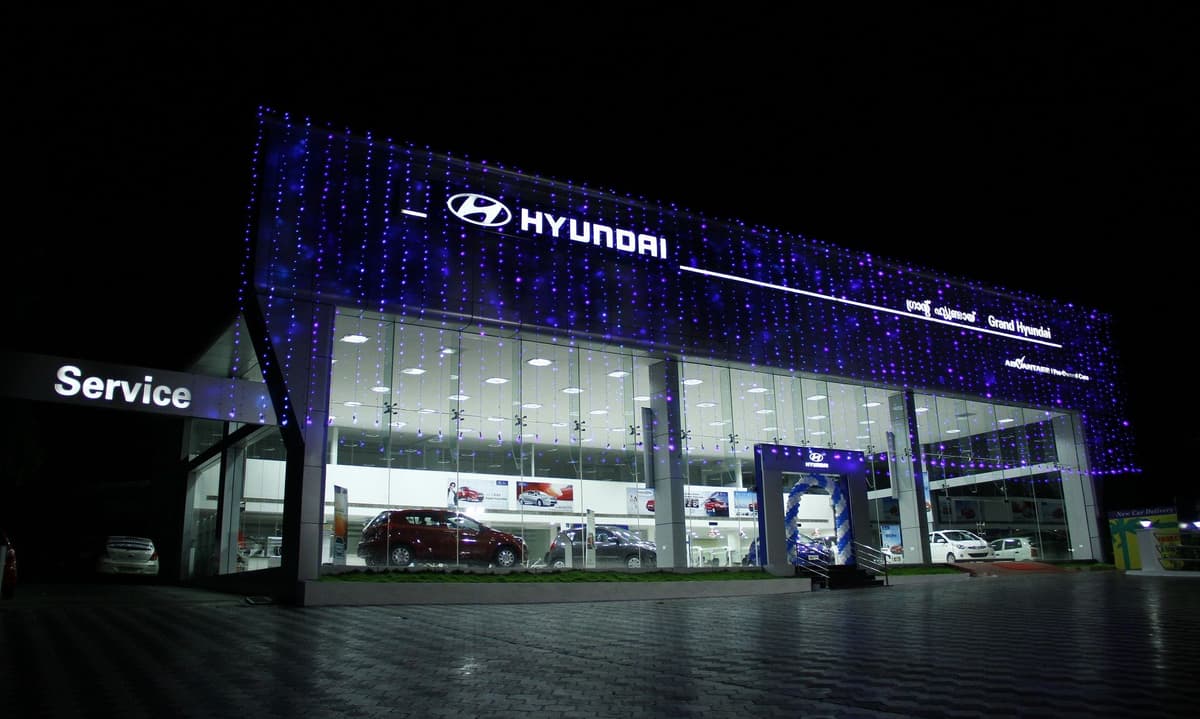
Hold onto your steering wheels, folks, because Hyundai's just thrown down a massive gauntlet in the Indian auto market. We're talking about a staggering plan to launch 26 new cars and SUVs by 2030. Yes, you read that right — twenty-six! This isn't just a rumour; it's a serious commitment from one of India's biggest players, signifying a relentless push to dominate almost every segment imaginable.
This isn't just about minor facelifts or trim updates. This ambitious roadmap includes brand new models, significant generational changes for their bestsellers, and a heavy, heavy emphasis on electric vehicles. It's a clear signal that Hyundai isn't content with being number two; they're coming for the top spot, and they're bringing a whole arsenal to do it. Get ready for a tidal wave of fresh metal hitting our roads over the next few years.
Hyundai's EV Game Plan: Electrifying the Lineup
Here's the thing — a huge chunk of these 26 planned launches will be dedicated to electric vehicles. Hyundai's already got the premium Ioniq 5 and the more accessible Kona EV, but their vision for India's electric future goes much, much deeper. We're talking about a range of EVs that could span from a compact hatchback to multiple SUVs, targeting different price points and customer needs.
This aggressive EV strategy is smart. While Maruti's still finding its feet in the mass-market EV space, Hyundai is positioning itself to be a frontrunner. They're likely focusing on localizing production to bring down costs, which is crucial for affordability in our market. Imagine an electric version of the Venue, or even a Creta EV (yes, really!), offering decent range and features for the price of, say, a top-spec petrol SUV. That's the kind of game-changer we could see, and it's exactly what Indian buyers are waiting for.
Their experience with the Ioniq 5 shows they can deliver cutting-edge tech and design. Now, the challenge is to scale that down, make it reliable for Indian conditions, and price it right. This isn't just about selling cars; it's about building an entire EV ecosystem, and Hyundai seems serious about investing in that future.
The Creta, Verna, and Beyond: Updates for Bestsellers & New Segments
While EVs are getting a lot of attention, Hyundai isn't forgetting its cash cows. Models like the Creta, Venue, Verna, and i20 are crucial to their sales charts, and we can expect continuous updates, both mid-cycle refreshes and full generational changes, within this 26-model pipeline. These updates won't just be cosmetic; think improved engines, enhanced safety features, and more advanced tech to keep them ahead of fierce competition.
For instance, the Creta has been a segment leader for ages, but rivals are catching up fast. Hyundai will certainly ensure it remains fresh, perhaps with bolder designs, richer interiors, or even new powertrain options. Similarly, the Verna, which recently got a big update, will likely see further refinements down the line. It's about maintaining that premium feel and feature-rich experience that Hyundai owners have come to expect.
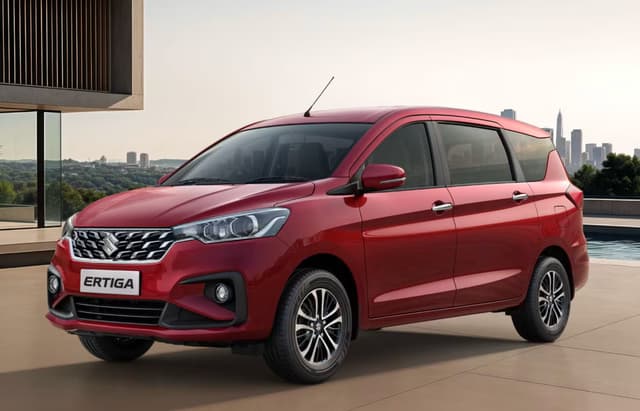
But it's not just about updating existing models. We also anticipate Hyundai venturing into entirely new segments. Could we see a proper compact MPV to take on the Ertiga? Or maybe a sub-4-meter sedan that pushes boundaries like the new Verna did? Hyundai has a knack for identifying emerging trends and creating products that resonate with Indian families. This strategic diversification means more choices for you, the buyer, and a stronger grip on the market for Hyundai.
Specs At A Glance
Feature | Details |
|---|---|
Expected Powertrains | Petrol (NA & Turbo), Diesel, Electric |
Transmission Options | Manual, iMT, Automatic (CVT, DCT, Torque Converter) |
Vehicle Types | SUVs (Compact to Mid-size), Sedans, Hatchbacks, MPVs (Expected New Segment) |
Safety Features | ADAS (Advanced Driver-Assistance Systems), Multiple Airbags, ABS with EBD (Standard) |
Infotainment & Connectivity | Large Touchscreen Systems, Connected Car Tech (Bluelink), Wireless Apple CarPlay/Android Auto |
Key Highlights (Expected) | Panoramic Sunroof, Ventilated Seats, Digital Instrument Clusters, Premium Interiors |
Launch Timeline | Phased roll-out from 2024 to 2030 |
How Does It Stack Up Against The Competition?
Hyundai's biggest rival in India is, of course, Maruti Suzuki, especially in the volume segments. Maruti banks on widespread service, fuel efficiency, and aggressive pricing. Hyundai, however, often edges them out on perceived premiumness, features, and design. This new product onslaught means Hyundai will be directly challenging Maruti's dominance in many segments, particularly with new SUVs and potentially more affordable EVs.
Then there's Tata Motors, which has made significant inroads with its focus on safety and a rapidly expanding EV portfolio. Hyundai's EV strategy will directly compete with Tata's nexon-ev">Nexon EV and punch-ev">Punch EV. This will be an interesting battle to watch, as both brands are committed to electrification but often cater to slightly different buyer psychologies – Tata appealing to the 'desi', safety-conscious buyer, and Hyundai to the feature-packed, modern design enthusiast.
Mahindra is another strong contender, especially in the SUV space, known for its ruggedness and strong performance. Hyundai will need to ensure its SUVs continue to offer that blend of style, comfort, and reliability to keep Mahindra at bay. Overall, this means the competition will be hotter than a plate of aloo tikki on a Delhi street, and that's fantastic news for us consumers.
The Good And The Not-So-Good
What We Like
- Aggressive Product Pipeline: 26 models by 2030 means constant newness and innovation.
- Strong EV Focus: A clear commitment to electric mobility, which is the future.
- More Choices for Consumers: Whatever your budget or segment preference, Hyundai will likely have something for you.
- Commitment to India: This scale of investment shows how serious Hyundai is about our market.
- Expected Feature Richness: Hyundai rarely holds back on features, which is always a plus.
What Could Be Better
- Potential Overlap: With so many models, there's a risk of internal competition or confusing choices.
- Pricing Strategy: Hyundai tends to price its cars at a slight premium; competitive pricing will be key, especially for EVs.
- Service Network Expansion: To support this many models, the service network will need to scale up efficiently.
- Charging Infrastructure: Hyundai's EV push will also need robust public charging support to truly succeed.
Price & When You Can Buy It
Alright, let's talk brass tacks. With 26 models planned all the way up to 2030, giving exact pricing and launch dates for each one is, frankly, impossible right now. It's a phased rollout, meaning we'll see a steady stream of new Hyundai cars hitting showrooms year after year.
What we can expect is a very wide price spectrum. From updated entry-level hatchbacks that might hover around the ₹6-8 lakh mark to premium electric SUVs that could easily cross ₹25-30 lakh or even higher, there will be something for everyone. Hyundai's known for offering a lot of bang for your buck, but they also aren't afraid to charge for premium features and advanced technology. We anticipate competitive pricing across the board, but don't expect them to be the cheapest option in every segment; they often aim for a slightly more premium positioning.
Our Verdict
This massive announcement from Hyundai isn't just news; it's a strategic declaration. They're not just participating in the Indian market; they're looking to redefine it. With 26 new models, especially a significant push into EVs, Hyundai is positioning itself to be an undeniable force, challenging both established players and emerging rivals across the spectrum.
For us, the Indian consumer, this is fantastic. More competition means better cars, more features, and potentially better value. Hyundai's consistent track record of offering modern designs, feature-packed interiors, and reliable performance will only get stronger. Honestly, this strategy shows Hyundai isn't just playing the game; they're looking to dominate it. It’s going to be an exciting ride to 2030, and we at CarBikeGPT.com will be here to bring you every detail, every test drive, and every honest take.