What's The Big News?
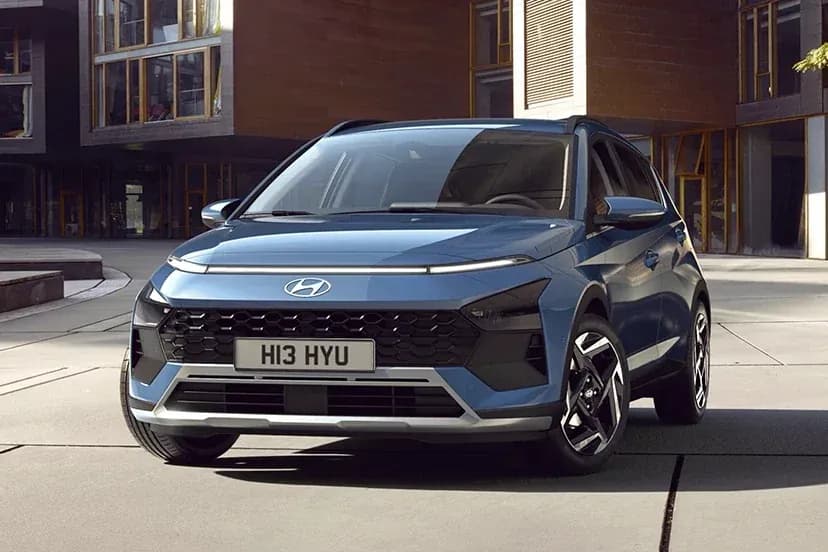
Alright, folks, Arman here, and we've got some juicy insider info straight from the Hyundai camp! It looks like their upcoming compact SUV, the one based on the international Bayon, is getting ready to hit our roads, and we finally have a clearer picture of what's under the hood. This isn't just another new launch; it's a strategic move that tells us a lot about Hyundai's vision for the crucial sub-4 meter segment.
The big takeaway? You'll be able to choose between a good old naturally aspirated petrol engine and, wait for it, a factory-fitted CNG option! (yes, really). But here’s the kicker: don't hold your breath for a diesel or a strong hybrid. Hyundai's making a bold choice here, opting out of two popular powertrain options that many Indian buyers still consider for their mileage and power.
Under the Hood: Petrol Power & CNG Savings
So, let's talk powertrains, because that's where the real story is. Our sources confirm this Bayon-based SUV will launch with a naturally aspirated petrol engine. We expect it to be the familiar 1.2-litre Kappa engine, similar to what you find in the Grand i10 Nios or the Venue's entry-level variants. It's a proven, reliable unit that does the job for city commutes and occasional highway runs, offering decent refinement for its class.
But the real game-changer for many budget-conscious buyers is the confirmed CNG option, which will follow the petrol model soon after. This is fantastic news, especially with petrol prices being what they are. A factory-fitted CNG kit means better integration, a proper warranty, and significantly lower running costs, making it a strong contender against rivals like the Tata Punch CNG and Maruti's offerings. For families who rack up serious kilometres but want to keep fuel bills in check, this could be the clincher. It's a smart move by Hyundai to directly target the "kitna deti hai" crowd, and honestly, it shows they're listening to the market.
Now, about what you won't get: no diesel, no hybrid. This is a departure for Hyundai, a brand that historically offered diesel in almost all its segments in India. While the demand for diesels in smaller cars has dipped, completely skipping it for a compact SUV, alongside no hybrid option, is interesting. It signals Hyundai's confidence in petrol and CNG, and perhaps their broader EV strategy for higher segments. But for those looking for diesel's torque or hybrid's ultimate efficiency in this segment, you'll have to look elsewhere.
Design & Market Positioning: Another Punch/Fronx Rival?
When it comes to looks, since it's based on the international Bayon, we expect a fresh, modern design, but likely with some India-specific tweaks to appeal to our tastes. Think Creta-inspired elements fused with a more compact, urban footprint. It'll slot below the Venue in Hyundai's lineup, meaning it's going squarely after the micro-SUV/compact-crossover space currently dominated by the Tata Punch and Maruti Suzuki Fronx. This segment is exploding, with buyers wanting SUV presence without the large footprint or price tag.
Hyundai's known for packing features, and we anticipate this new SUV won't be an exception. Expect a good touchscreen infotainment system, digital instrument cluster, connected car tech, and possibly even a sunroof on top variants. Safety features will likely include multiple airbags as standard, ABS with EBD, and possibly even some ADAS features on higher trims, though that's just speculation at this point. The interior will likely focus on practicality, decent space for four, and Hyundai's signature fit and finish, which is usually a notch above what Maruti gives you at this price point.
Specs At A Glance
Feature | Details |
|---|---|
Engine Type | Naturally Aspirated Petrol |
Fuel Options | Petrol, CNG (post-launch) |
Transmission | Manual (Automatic expected) |
Expected Segment | Compact SUV / Micro SUV |
Rivals | Tata Punch, Maruti Fronx, Citroen C3 |
Diesel Option | None |
Hybrid Option | None |
How Does It Stack Up Against The Competition?
This new Hyundai SUV is walking into a crowded party. Its main rivals will be the Tata Punch, which has pretty much created and owned the micro-SUV segment, and the Maruti Suzuki Fronx, a relatively new entrant that's essentially a Baleno in SUV clothing. You also have cars like the Citroen C3 vying for attention.
Where it'll stand out is likely its feature list and interior quality. Hyundai usually sets a high bar there. The Punch offers robust build quality and good ground clearance, while the Fronx brings Maruti's fuel efficiency and widespread service network, plus a boosterjet turbo option that this Hyundai won't have (at least initially). The CNG option, however, puts it directly in contention with the Punch CNG and Fronx CNG, giving buyers another strong, reliable alternative with potentially better features. Without a turbo-petrol or diesel, its performance might feel a bit relaxed compared to some rivals, but for its intended urban audience, the NA petrol and CNG should suffice.
The Good And The Not-So-Good
What We Like
- Factory-fitted CNG: A huge plus for running costs and peace of mind.
- Hyundai's Design & Features: Expect modern styling and a well-appointed cabin.
- Proven Petrol Engine: Reliable and refined for city use.
- Strong Brand Presence: Hyundai's service network and resale value are excellent.
What Could Be Better
- No Diesel Option: Might disappoint a segment of buyers looking for torque and highway efficiency.
- No Turbo-Petrol: The NA engine might feel underpowered compared to rivals with turbo options.
- No Hybrid: Misses out on a potential fuel-efficiency advantage offered by some competitors in slightly higher segments.
Price & When You Can Buy It
Pricing is always the million-dollar question, isn't it? Given its expected positioning below the Venue and against rivals like the Punch and Fronx, we expect the Hyundai Bayon-based SUV to be priced very competitively. We're looking at an expected starting price somewhere in the ₹6.5 lakh to ₹11 lakh (ex-showroom) range, depending on variants and powertrains. The CNG versions will naturally command a slightly higher premium over their petrol counterparts.
As for when you can get your hands on one, official launch dates are yet to be revealed, but prototypes have been spotted testing extensively. We anticipate a market launch sometime in late 2024 or early 2025. The petrol model will likely arrive first, with the CNG version following a few months later.
Our Verdict
Here's the thing — this new Hyundai compact SUV is poised to be a significant player in an already cut-throat segment. The confirmed petrol and especially the factory-fitted CNG options are smart moves that directly address the core needs of a large chunk of Indian car buyers: affordability and low running costs. While the absence of a diesel or hybrid might make some purists scratch their heads, it's clear Hyundai is betting big on traditional petrol and alternative fuels like CNG for this segment.
In my opinion, if Hyundai nails the design, packs it with their usual array of features, and prices it right, this Bayon-based SUV has the potential to shake things up quite a bit. It won't be the most powerful or the most fuel-efficient in every scenario, but it promises to be a well-rounded, practical, and feature-rich package that will appeal to many first-time SUV buyers and those looking to upgrade from a hatchback. Keep an eye on this one, it's going to be interesting!