What's The Big News?
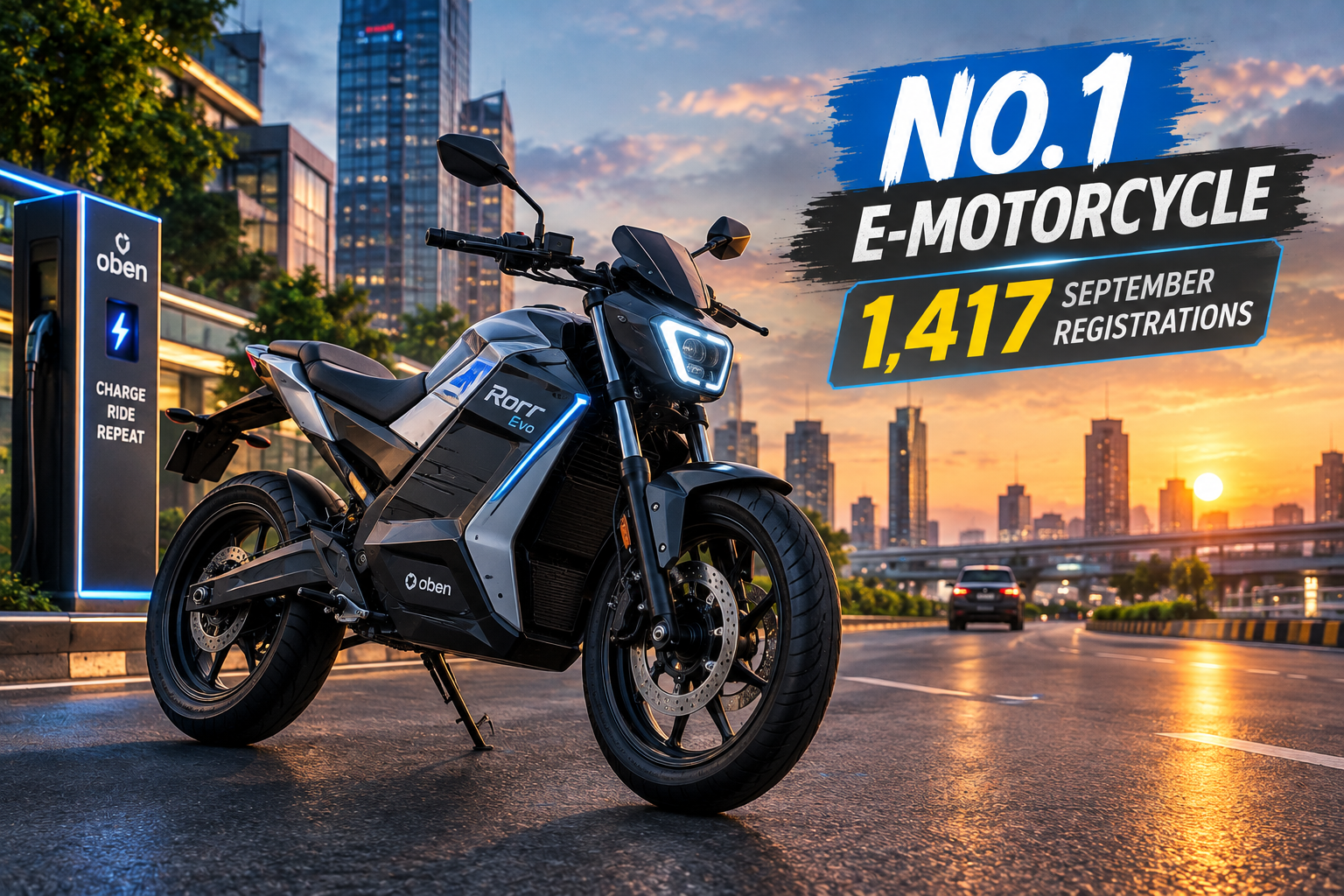
Alright, listen up everyone! We've just gotten some absolutely massive news from the EV world that's got everyone at CarBikeGPT.com buzzing. India's electric two-wheeler market has officially crossed the monumental one million units sold mark in 2026, and we're only just past the halfway point of the year! Think about that for a second. Between January 1st and July 6th, a staggering 10,05,279 e-scooters, motorcycles, and mopeds have found new homes across the country. That's not just a big number; it's a game-changer.
This isn't just a flash in the pan either. The latest data from the Vahan portal confirms an incredible year-on-year increase of 54 percent. Yes, you read that right — fifty-four percent! It shows just how rapidly Indian buyers are embracing electric mobility for their daily commutes and beyond. The future, it seems, isn't just electric; it's here, and it's on two wheels.
The EV Wave Is Real: What's Driving This Boom?
So, what's really fueling this phenomenal growth? It's not just one thing, but a perfect storm of factors coming together. First off, fuel prices, right? Every time you fill up your petrol tank, it pinches a bit, doesn't it? Electric two-wheelers offer a significant respite, with running costs that are often a fraction of their ICE counterparts. For the average Indian family looking to save some rupees, this is a massive draw.
Then there's the ever-improving technology. We're seeing better batteries, longer ranges, and quicker charging times than ever before. Range anxiety, while still a concern for some, is slowly becoming less of an issue for city commutes. Plus, new models are hitting the market almost every month, offering more choices, better features, and designs that are actually appealing (and honestly, it shows). Government incentives, though they've seen some tweaks, have also played a crucial role in making these vehicles more accessible, especially for the price-sensitive Indian buyer. It's a combination of practical savings, environmental consciousness, and simply better products.
Market Dynamics: Who's Leading The Charge?
This million-unit milestone isn't just about total numbers; it’s about the underlying shifts. While electric scooters continue to dominate the sales charts – they’re perfect for city commutes, easy to ride, and often come with decent storage – we’re also seeing a noticeable uptick in electric motorcycles and even mopeds. This diversification tells us the market is maturing, catering to a wider array of needs and preferences.
We're seeing a mix of established players, who are now seriously committing to EV production, and nimble startups who’ve innovated their way into the market. This competitive environment is fantastic for consumers, pushing manufacturers to offer more value, better performance, and improved service. It's not just about getting from A to B anymore; it's about doing it efficiently, affordably, and with a bit of style. Honestly, the sheer variety available now, from basic commuter e-scooters to more premium electric bikes, means there’s something for almost everyone.
Specs At A Glance
Look, folks, this isn't a review of a single bike or scooter, so we can't give you a spec sheet here. We're talking about the entire electric two-wheeler segment that's just crossed a million sales – from entry-level mopeds to performance-oriented electric motorcycles. Each manufacturer has their own set of specifications, battery sizes, motor outputs, and claimed ranges. So, instead of a table for one, let's just say the 'specs' of the market are:
Category | Details |
|---|---|
Total Units Sold (Jan 1 - July 6, 2026) | 1,005,279 |
Year-on-Year Growth | 54% |
Vehicle Types Included | Electric Scooters, Motorcycles, Mopeds |
Battery Technology | Primarily Lithium-ion (various chemistries) |
Motor Types | Hub-mounted, Mid-mounted (range of power outputs) |
Average Range (claimed, varied) | Expected to be between 60-150 km per charge for most commuters |
Top Speed (claimed, varied) | Expected to be between 25-100+ km/h depending on segment |
How Does The EV Segment Stack Up Against Traditional ICE?
This is where the rubber meets the road, isn't it? When you're considering an electric two-wheeler against a traditional petrol one, it's a mixed bag, but the scales are certainly tipping. Initial purchase cost for an EV can still be higher, often comparable to a mid-spec 125cc petrol scooter or even a 150cc bike, even with subsidies. That's a hurdle for some, no doubt.
However, the running costs are where EVs truly shine. Charging an electric scooter might cost you ₹10-20 for a full charge, giving you 80-100 km of range. Try getting that with petrol! Maintenance is also generally lower – no oil changes, no spark plugs, fewer moving parts. For city riding, the instant torque of an EV makes it incredibly zippy and fun, often leaving petrol scooters in the dust at traffic lights. For longer highway rides, petrol still has the edge due to quicker refueling and wider availability of pumps, but for the daily grind, especially in congested Indian cities, EVs are becoming a no-brainer. Plus, they're quieter, smoother, and better for air quality, which is a huge bonus in our urban landscapes.
The Good And The Not-So-Good
What We Like
- Explosive Growth: Crossing a million units in just over six months is phenomenal and signals strong buyer confidence.
- Reduced Running Costs: A massive relief for the wallet compared to ever-increasing petrol prices.
- Environmental Benefits: Quieter operation and zero tailpipe emissions contribute to cleaner cities.
- Technological Advancements: Better range, faster charging, and more features are making EVs more practical.
- Diverse Product Portfolio: From affordable scooters to premium motorcycles, there's an EV for every need.
- Government Support: While dynamic, policies are generally geared towards accelerating EV adoption.
What Could Be Better
- Charging Infrastructure: Still needs massive expansion, especially for public charging and tier-2/3 cities.
- Initial Purchase Cost: Remains a barrier for some, despite subsidies, compared to very basic ICE models.
- Range Anxiety: Though improving, it's still a concern for longer commutes or those venturing beyond city limits.
- Battery Replacement Costs: A long-term consideration that can be significant.
- Service Network: Still developing for many newer EV brands, leading to potential issues for owners in remote areas.
- Battery Recycling: A growing concern for the future – we need robust solutions for end-of-life batteries.
Price & When You Can Buy It
Again, this isn't about one specific model, so we can't give you a launch date or a fixed price. The beauty of this boom is the sheer variety on offer in the market right now. You can find an entry-level electric moped for roughly the price of a mid-spec Swift's annual fuel bill – often in the ₹60,000 to ₹80,000 range, depending on state subsidies and features. For a decent electric scooter with good range and features, you're usually looking at anywhere from ₹1 lakh to ₹1.5 lakh.
If you're eyeing an electric motorcycle, those will naturally command a higher premium, often starting from around ₹1.5 lakh and going upwards of ₹2.5 lakh. The good news is, you can buy these electric two-wheelers right now! Dealerships are popping up everywhere, and online booking options are plentiful. The market is vibrant, and manufacturers are constantly bringing out new models to keep the momentum going, so keep an eye out for fresh launches throughout the year.
Our Verdict
The numbers don't lie, do they? Hitting a million electric two-wheeler sales in just over six months in 2026 is an undeniable landmark for India's automotive sector. It's a clear signal that the shift towards electric mobility isn't just a distant dream; it's happening right here, right now, on our streets. The blend of economic sense, environmental awareness, and improved products is a winning formula, and Indian consumers are embracing it with both hands.
In my opinion, this growth isn't just sustainable; it's likely to accelerate. While challenges like charging infrastructure and initial costs persist, the momentum is too strong to ignore. Manufacturers are investing heavily, technology is advancing rapidly, and consumer perception is overwhelmingly positive. We feel this is just the beginning of a true revolution, and within the next few years, seeing an electric two-wheeler on every street corner will be the norm, not the exception. The future of commuting in India looks decidedly electric, and we're all for it!