What's The Big News?
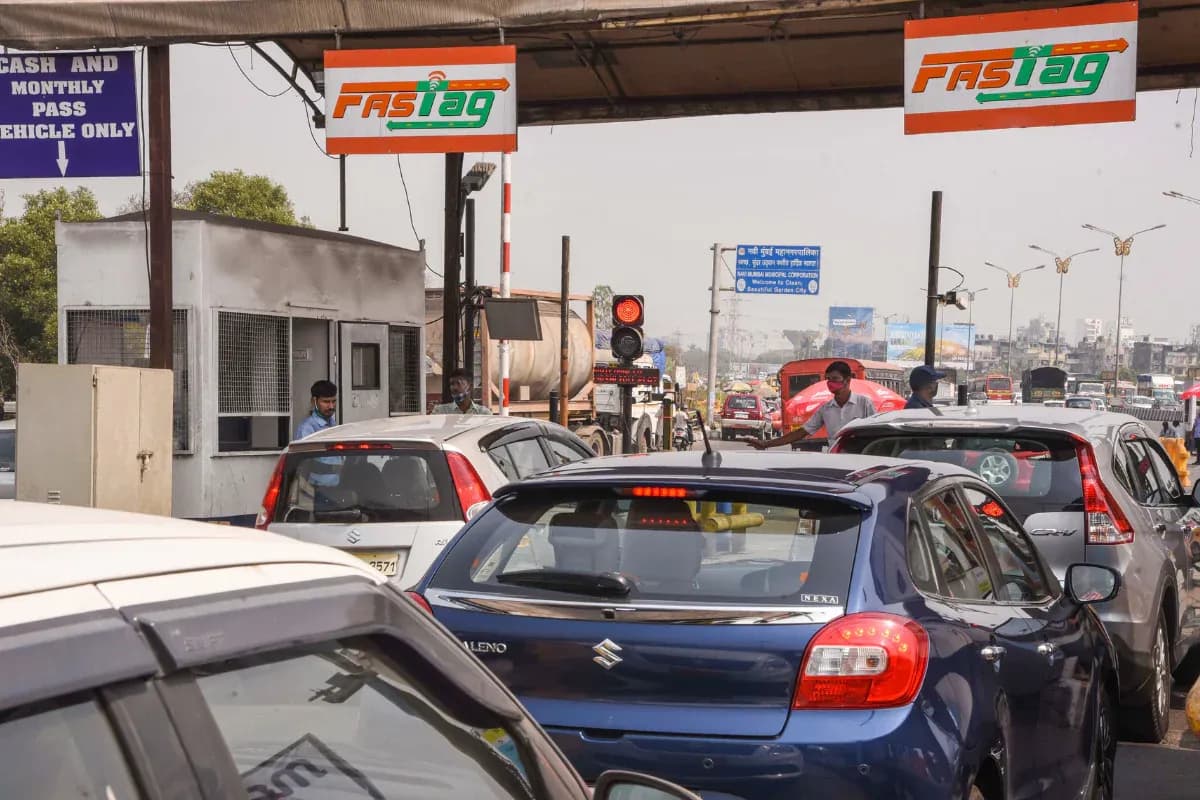
Alright folks, listen up! If you're one of those unlucky souls who lives just a stone's throw from a national highway toll plaza and has to cough up the full amount every single day for a short hop, you know the pain. It’s frustrating, isn't it? Well, the Ministry of Road Transport and Highways (MoRTH) has finally stepped in, and it's some welcome news.
They’ve amended the old National Highways Fee rules, and what it means for us is the introduction of specific 'local FASTag passes'. This isn't just another small change; it’s a policy shift aimed squarely at easing the burden on daily commuters living near these toll points. About time, Maruti, err, I mean MoRTH!
A Closer Look at the Local FASTag Game Changer
Here's the thing — this move addresses a long-standing grouse. For years, people have been complaining about paying the same toll as someone driving hundreds of kilometres, even if they're just crossing the plaza to get to their local market or office. It just didn't feel fair, and honestly, it showed in the number of heated arguments at toll booths.
This new system is designed to offer discounted or fixed-rate passes specifically for vehicles registered in the district or within a certain radius of a particular toll plaza. Think of it like a monthly pass, but tailored for genuine local usage, making daily commutes much more affordable. The idea is to differentiate between transit traffic and local traffic, which is a sensible approach.
We don't have all the nitty-gritty details yet on the exact radius or how the pricing structure will work, but the intent is clear: to provide legitimate relief. It’s a smart way to use the existing FASTag infrastructure to bring in more nuanced pricing, moving beyond a one-size-fits-all model that often punishes local residents.
How Will It Work and Who Benefits?
So, how's this going to roll out? MoRTH has amended the National Highways Fee (Determination of Rates and Collection) Rules, 2008, which is the legal backbone for all this. This isn't just a suggestion; it’s a formal change in the law. The biggest beneficiaries will undoubtedly be the thousands of daily commuters and local businesses whose operations involve frequent crossings of toll plazas.
Imagine a farmer taking produce to the nearest city market, or a local shopkeeper commuting to their store daily. For them, these full toll charges add up significantly over a month, sometimes rivalling the cost of fuel for short distances. This local pass aims to cut down on that recurring expense, putting more money back into their pockets. It should also help reduce congestion in cash lanes, as more local traffic will likely migrate to these new FASTag options.
The system will likely involve linking the local FASTag pass to your vehicle's registration address, ensuring that only genuine local residents can avail of the benefits. This prevents misuse and ensures the system remains equitable. We'll need to keep an eye out for the specific eligibility criteria that will be announced closer to the implementation date.
Key Details At A Glance
Feature/Detail | Information |
|---|---|
Initiative | Introduction of Local FASTag Passes |
Governing Body | Ministry of Road Transport and Highways (MoRTH) |
Amended Regulation | National Highways Fee (Determination of Rates and Collection) Rules, 2008 |
Purpose | To provide discounted/fixed toll rates for local residents near toll plazas |
Implementation Date | November 1, 2026 |
Eligibility Criteria | Expected to be for vehicles registered within a specified radius/district of a toll plaza (Details TBA) |
Pass Pricing | Will be announced closer to the implementation date (Details TBA) |
How Does It Stack Up Against The Current System?
Honestly, this isn't about stacking up against rivals; it’s about improving a system that needed an upgrade. Right now, your options are pretty straightforward: pay full toll via FASTag or cash. For local folks, both have their drawbacks. Paying cash means waiting in queues, which is a pain, and FASTag, while convenient, still debits the full amount even for a 5 km drive.
Existing monthly passes often cater to longer-distance commuters or commercial vehicles and might not be cost-effective for someone just crossing a plaza a couple of times a day. This new local pass fills that gap perfectly. It's not a replacement for the universal FASTag, but an enhancement, a specific product addressing a specific pain point. It’s like getting a special local bus pass instead of paying full fare for every short trip.
In my opinion, this structured approach is far better than the previous ad-hoc arrangements or the constant haggling some locals had to endure. It brings transparency and a legitimate framework to what was often a grey area.
The Good And The Not-So-Good
What We Like
- Commuter Relief: A huge sigh of relief for thousands of daily local commuters and businesses.
- Fairness: Addresses a long-standing demand for differential pricing for local traffic.
- Systematic Approach: Formal amendment ensures a structured and legal framework.
- Reduced Friction: Should lead to fewer arguments and smoother passage at toll plazas for local residents.
What Could Be Better
- The Long Wait: November 1, 2026, is still a long way off. Many would've preferred an earlier implementation.
- Details Are Vague: We need clarity on the exact radius, eligibility documents, and pricing structure.
- Potential for Misuse: Robust systems will be needed to prevent people from faking local addresses to get cheaper passes.
- Awareness & Adoption: A massive awareness campaign will be crucial for smooth rollout, especially in rural areas near highways.
Price & When You Can Avail It
Let's talk brass tacks. The most critical question for many is how much these local passes will cost. As of now, the Ministry hasn't revealed any specific pricing for these local FASTag passes. We expect these details to be announced closer to the implementation date, possibly with different slabs or rates depending on the specific toll plaza and its local demographics.
What we do know for sure is the implementation timeline. These local FASTag passes are set to become active nationwide from November 1, 2026. Yes, that's still over two years away, which feels like an eternity for those who need it now. But at least there's a definite date on the calendar. Keep your eyes peeled for more announcements in the coming months as they flesh out the finer points.
Our Verdict
Look, any step towards making our toll system fairer and more user-friendly for everyday Indians is a welcome one. The introduction of local FASTag passes is definitely a positive move by MoRTH, acknowledging a genuine pain point for countless commuters. It's a pragmatic solution that leverages existing technology to bring much-needed relief.
However, the nearly two-year wait until November 2026 is a bit of a dampener. We hope the government uses this time wisely to iron out all the operational kinks, define clear eligibility rules, and ensure the pricing is truly beneficial for local residents. Honestly, if implemented correctly, this has the potential to significantly improve the daily travel experience for many and reduce the financial burden on those who live and work around our national highways. It's a move in the right direction, but the devil, as always, will be in the details of its execution.