What's The Big News?
Alright folks, listen up! We've been hearing whispers for a while now, but it looks like Hyundai and Kia are finally going all-in on hybrids for the Indian market. You know how these brands operate – once they decide on a direction, they don't just dip their toes, they dive headfirst. And this time, it's all about strong hybrid SUVs, with reports suggesting we could see at least four new models hitting our roads.
This isn't just about a couple of new cars; it's a strategic move that could seriously shake up the market. For years, we've seen Maruti and Toyota lead the charge with strong hybrids, especially in the SUV space. Now, with Hyundai and Kia throwing their hats in the ring, buyers are about to get a whole lot more choice, and trust me, that's always a good thing for us consumers!
The Hybrid Advantage: Why Now, And What To Expect
Here's the thing — everyone's talking about EVs, and rightly so, but the infrastructure challenges and initial costs are still a hurdle for many. That's where hybrids, especially strong hybrids, slot in perfectly. They offer the best of both worlds: significantly better fuel efficiency than pure petrol cars, lower emissions, and absolutely no range anxiety. You just fill up and go, like always, but your wallet thanks you more often.
We expect Hyundai and Kia to leverage their global strong hybrid technology, which is already quite advanced. This means a proper petrol-electric setup that can run on electric power alone for short distances, especially in city traffic – which, let's be honest, is where most of us spend our driving hours anyway. Think smoother starts, silent crawling in bumper-to-bumper traffic, and a fuel gauge that drops a lot slower. In my opinion, this is the smart transitional step for India, giving people a taste of electrification without the full commitment to an EV just yet.
Which SUVs Could Get The Hybrid Treatment?
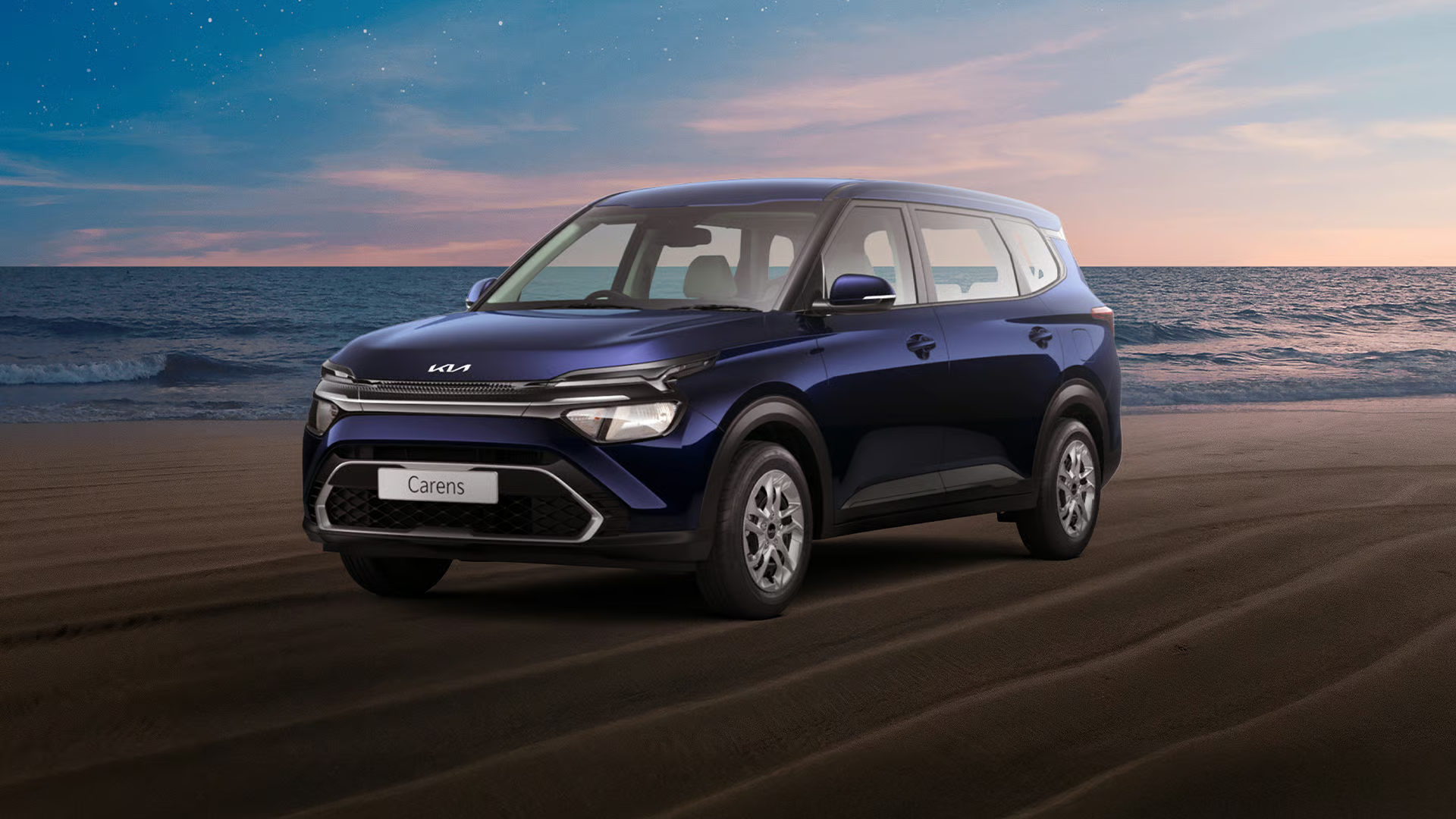
Now, this is the million-dollar question, isn't it? While specific models haven't been officially confirmed (and honestly, they're playing their cards close to their chest), it's not hard to guess where they'll start. Look at their current lineup – the Creta, Seltos, Sonet, Venue, Alcazar, and Carens are their bread and butter. It makes absolute sense for Hyundai and Kia to introduce hybrid powertrains into their most popular SUV models first.
Imagine a hybrid Creta or Seltos giving you mileage figures closer to what a small hatchback offers today. That's a huge draw for the Indian buyer who saves up for years to buy their dream SUV but still worries about the petrol pump bill. We could also see hybrid options in their compact SUVs like the Sonet or Venue, potentially creating a new, highly competitive segment right around the price of a well-specced mid-size sedan. This move isn't just about offering more options; it's about making their existing, highly successful models even more appealing to a broader audience looking for efficiency.
Specs At A Glance
Feature | Expected Hybrid SUVs (Hyundai/Kia) |
|---|---|
Hybrid System Type | Strong Hybrid (Parallel configuration expected) |
Engine (Expected) | Petrol engine (likely 1.5L or 1.0L Turbo in smaller models) |
Electric Motor | Dedicated electric motor for propulsion and regeneration |
Battery Type | Lithium-ion (capacity TBA) |
Transmission | e-CVT (Expected) |
Fuel Efficiency (Expected) | Significantly improved over ICE variants (TBA, but expect 20+ kmpl) |
Power Output | Combined power output expected to be competitive (TBA) |
Drive Modes | EV Mode, Hybrid Mode, Engine Mode (Expected) |
How Does It Stack Up Against The Competition?
Currently, the strong hybrid SUV space in India is largely dominated by the Maruti Suzuki Grand Vitara and the Toyota Urban Cruiser Hyryder. Both have done a commendable job, offering excellent fuel economy and a refined driving experience. Hyundai and Kia will be stepping into a segment where expectations are already set quite high. But let's be real, these Korean giants are known for bringing premium features, contemporary designs, and a certain 'connected' experience that sometimes feels a step above. Better than what Maruti gives you at this price, often.
If Hyundai and Kia can match or even slightly beat the mileage figures of the current strong hybrids while offering their signature cabin quality, feature-rich interiors, and sharp styling, they'll be serious contenders. The key will be pricing them competitively, not just against the Hyryder and Grand Vitara, but also making them a compelling alternative to higher-end ICE SUVs and even entry-level EVs like the nexon-ev">Nexon EV Max. It's a tough fight, but they've got the muscle to pull it off.
The Good And The Not-So-Good
What We Like
- Exceptional Fuel Efficiency: This is the biggest draw. Expect significantly lower running costs, especially in city driving.
- Smooth Driving Experience: Strong hybrids offer a refined, silent operation in EV mode and seamless transitions between electric and petrol power.
- Reduced Emissions: A positive step towards a cleaner environment, something we all need.
- No Range Anxiety: The biggest advantage over pure EVs; just fill up petrol and you're good to go.
- Feature-Rich Offerings: We expect Hyundai and Kia to load these hybrids with their usual suite of tech, safety, and connectivity features.
What Could Be Better
- Initial Cost: Hybrids typically command a premium over their pure petrol counterparts. This will be a critical factor for Indian buyers.
- Long-Term Battery Replacement: While batteries are designed to last, the cost of replacement down the line can be a concern for some, though it's rare to need it.
- Complexity: More components (engine, motor, battery, inverter) mean a more complex system, which could potentially lead to higher maintenance costs, though reliability has been good on other brands.
- Limited Performance Boost: While efficient, strong hybrids aren't always about outright performance; the focus is usually on economy.
Price & When You Can Buy It
Pricing is, as always, the big unknown. Given that these will be strong hybrids from premium brands, we expect them to carry a premium over their conventional petrol siblings. For models like the Creta or Seltos, pricing is expected to be in the ₹16-22 lakh (ex-showroom) range, depending on the variant and specific model, making them competitive with top-spec ICE SUVs and entry-level EVs. Smaller hybrids like a Sonet or Venue could sit slightly lower, perhaps starting around ₹12-13 lakh.
As for availability, while no official launch dates have been revealed, we anticipate seeing the first of these new hybrid SUVs hit the market within the next 12-18 months. Hyundai and Kia are known for their aggressive launch strategies, so once they start rolling them out, you can expect a steady stream of new options. Keep an eye on this space; we'll bring you all the updates as soon as they drop!
Our Verdict
Look, this move by Hyundai and Kia is huge. It shows they're serious about addressing fuel efficiency concerns and offering a viable stepping stone to electrification for the Indian consumer. For too long, the hybrid space felt a bit niche, but with these two titans jumping in, it's about to go mainstream. We feel this is exactly what the Indian SUV market needs right now – a blend of modern tech, practicality, and the ever-important promise of better mileage. If they get the pricing right and don't skimp on features, these new hybrid SUVs from Hyundai and Kia are going to be big hits. Get ready for some serious competition in the green vehicle segment; it's going to be a fun ride!