What's The Big News?
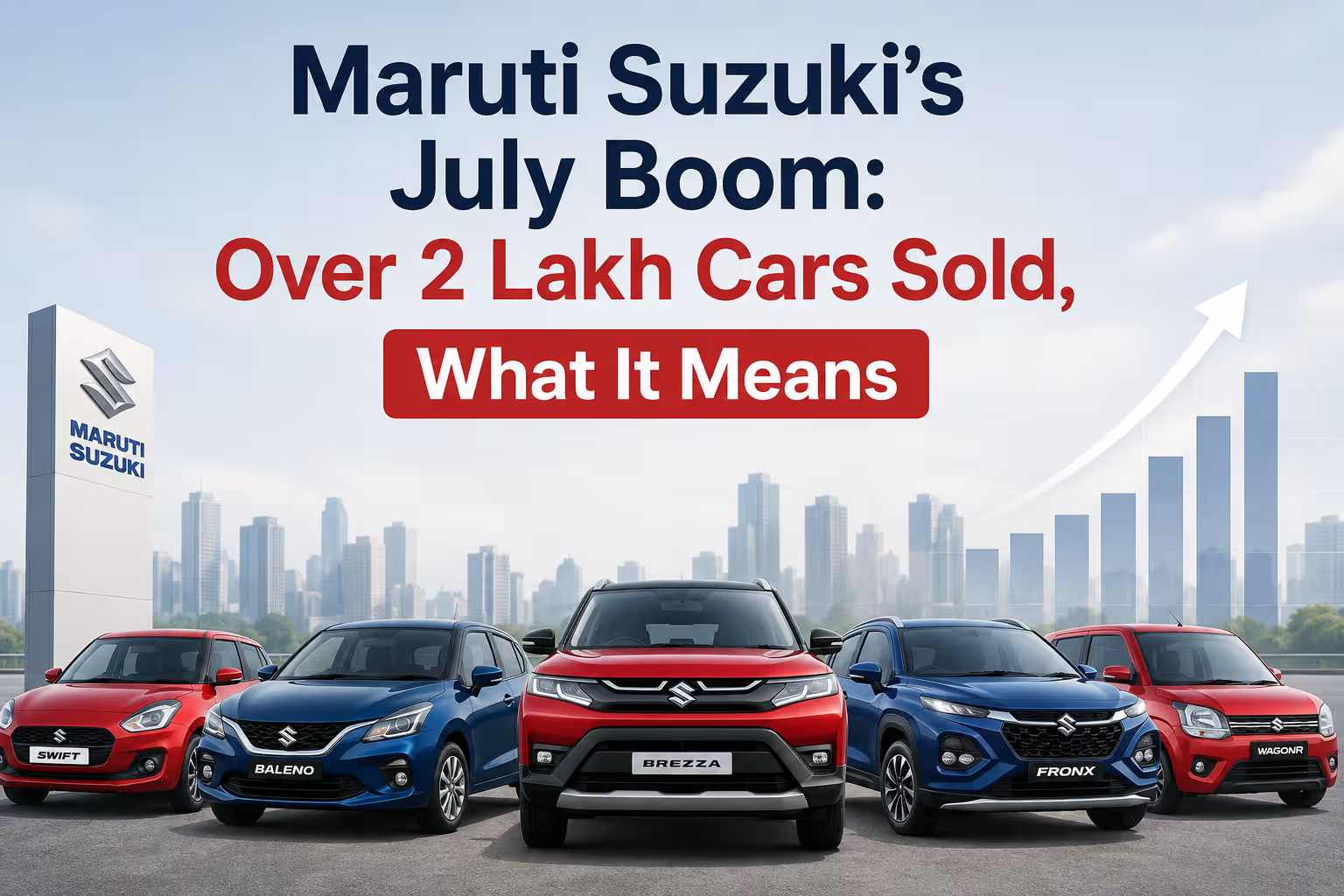
Maruti Suzuki just pulled off something massive in July 2026, and trust me, it’s got the whole Indian auto industry buzzing. We're talking about a whopping 34% surge in sales compared to last year, with domestic volumes blasting past the 2 lakh unit mark. That’s not just a number, folks; it’s a statement.
It means that despite all the new players, the fancy features, and the EV push, when it comes down to it, Indian buyers are still putting their hard-earned money on Maruti. This kind of performance isn't just good for Maruti; it's a huge shot in the arm for the entire automotive sector, showing that consumer confidence is definitely on the upswing.
Maruti's Unstoppable Formula: Why Are They Dominating?
So, how does Maruti keep doing it, year after year? It's not rocket science, but it’s a masterclass in understanding the Indian consumer. They’ve built an empire on reliability, low running costs, and a service network that reaches even the most remote corners of our country. Think about it: finding a Maruti service centre is often easier than finding a decent chai stall in many places (yes, really). This widespread reach gives buyers immense peace of mind, something a lot of newer brands are still struggling to build.
Beyond the service, Maruti’s product portfolio is just incredibly smart. From the ever-dependable Alto for first-time buyers and small families, right up to the Grand Vitara that's trying to tackle the mid-size SUV segment, they have a car for nearly every budget and need. They're not always the flashiest or the most feature-packed, but they hit that sweet spot of affordability, fuel efficiency, and practicality that most Indian families prioritize. We’ve seen them innovate with CNG variants and mild-hybrids, offering solutions that directly address our constant worry about petrol prices. It's this continuous adaptation and focus on core values that makes them so hard to beat.
Impact on the Market & What's Next for Maruti
This massive July performance isn't just about Maruti's balance sheet; it sends ripples across the entire Indian automotive landscape. When the market leader sees such a significant jump, it signals a strong overall demand, especially in the entry-level and compact segments where Maruti shines brightest. Competitors like Hyundai, Tata, and Mahindra will definitely be watching closely, trying to figure out how to counter this momentum. It forces everyone else to sharpen their pencils, rethink their strategies, and perhaps even focus more on value-for-money propositions.
What does it mean for Maruti going forward? Well, they'll likely double down on their strengths. Expect to see more focus on new CNG models, perhaps even more affordable hybrids, and maybe a few design tweaks to keep their popular models fresh. They've also been pushing to improve their image in the premium segments with cars sold through Nexa, and these sales figures give them the confidence to continue that expansion. It’s a clear message: the Indian market is hungry for practical, reliable cars, and Maruti is more than ready to feed that hunger.
Key Sales Figures At A Glance
| Metric | July 2026 (Units) | Year-on-Year Growth |
|---|---|---|
| Domestic Sales | Over 2,00,000 | 34% |
| Export Sales | Official figures yet to be revealed | TBA |
| Total Sales (Domestic + Export) | Official figures yet to be revealed | TBA |
How Does It Stack Up Against The Competition?
Look, when Maruti posts numbers like these, it truly sets them apart from the pack. Rivals like Hyundai, while strong in urban centres and with a reputation for features and design, usually operate at a slightly different price point and haven't quite matched Maruti's rural penetration or sheer volume. Tata Motors has been making huge strides, especially with their focus on safety and a growing EV portfolio, but their overall monthly volumes, while impressive for an Indian brand, still sit below Maruti's colossal figures. Mahindra has carved out its niche with rugged SUVs, appealing to a different set of buyers, but again, the breadth of Maruti's offerings and its reach are unparalleled.
Maruti’s competitive edge isn't just about individual models; it's about the entire ecosystem they’ve built. Their spare parts are readily available and affordable, their mechanics are everywhere, and the resale value of a Maruti car is usually top-notch. These are tangible benefits that often outweigh a rival’s slightly better infotainment screen or a few extra airbags in the minds of many budget-conscious Indian buyers. It’s a testament to consistency and understanding the ground realities of our market.
The Good And The Not-So-Good
What We Like
- Unmatched Reliability: Maruti cars are built to last and handle our roads. You don’t hear too many breakdown stories.
- Fuel Efficiency: A constant focus on mileage means lighter wallets at the petrol pump. Crucial for Indian families.
- Extensive Service Network: From Ladakh to Kanyakumari, you’ll find a Maruti service station. It's brilliant.
- Excellent Resale Value: Your investment holds its value well, making upgrades easier down the line.
- Affordable Maintenance: Spare parts and service costs don't break the bank, which is better than what Maruti gives you at this price point.
What Could Be Better
- Perceived Premiumness: While Nexa cars are helping, many still see Maruti as a budget brand, sometimes lacking the 'wow' factor in interiors or features compared to some rivals.
- Safety Perception: While newer models have improved significantly, older platforms sometimes struggled in crash tests, leading to a lingering perception issue in some segments.
- Design Innovation: Sometimes their designs can feel a bit too safe, lacking the bold, futuristic flair seen in some competitors.
- Engine Options: While efficient, the engine lineup could use a bit more punch in some models for enthusiast drivers.
The Road Ahead for Maruti & Buyers
With these kinds of sales numbers, it’s clear Maruti isn't just resting on its laurels. For buyers, this means continued focus on value. You can expect Maruti to keep their prices competitive, perhaps even offering attractive finance schemes to keep the momentum going. Will prices increase? Given the current market demand, slight adjustments are always possible across the industry, but Maruti’s core strategy revolves around affordability. We probably won’t see drastic price hikes that would alienate their loyal customer base.
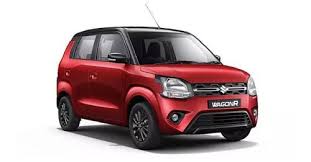
What this also tells us is that popular models will remain in high demand. If you're planning to buy a Swift, Baleno, WagonR, or Brezza, be prepared for potential waiting periods, especially for specific variants or colours. This isn't a problem, but something to keep in mind when planning your purchase. The sheer volume of sales also means Maruti will continue investing heavily in its manufacturing capabilities and supply chain, aiming to meet this surging demand efficiently.
Our Verdict
Honestly, Maruti Suzuki's July 2026 performance is nothing short of phenomenal. It’s a powerful reaffirmation of their understanding of the Indian market and their ability to consistently deliver what the majority of buyers want: reliable, fuel-efficient, and affordable transportation. While other brands are busy chasing niche segments or premium buyers, Maruti quietly continues to dominate the mainstream, proving that sometimes, sticking to the basics and executing them flawlessly is the best strategy. In my opinion, this sales report isn't just about numbers; it's a testament to the enduring trust Indian families place in the Maruti Suzuki badge, and frankly, it shows. They’re not just selling cars; they’re selling peace of mind and dreams for millions across the country.