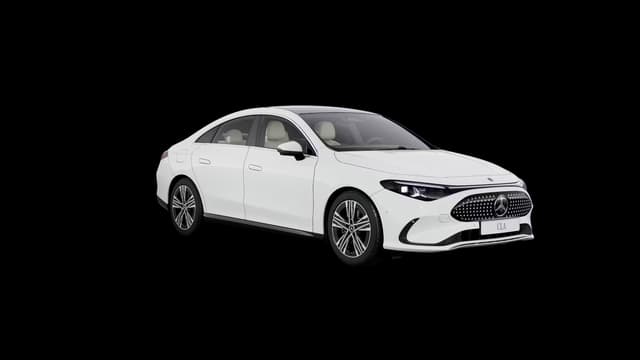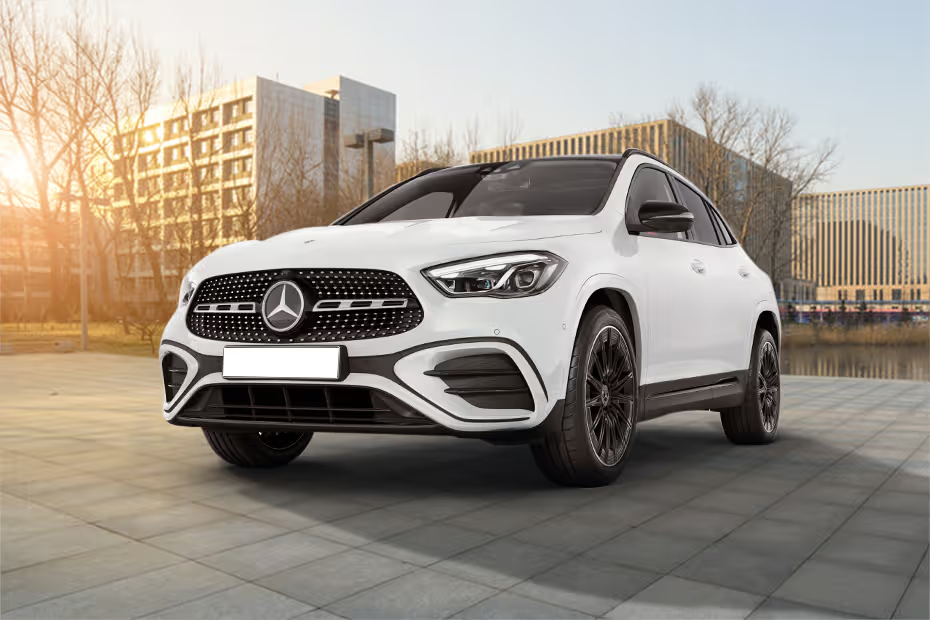
What's The Big News?
For over a decade, Mercedes-Benz has been the undisputed king of India's luxury car market. We've all seen the headlines, haven't we? Every quarter, the press, myself included, would be keen to report on who snagged the top spot in sales figures, and more often than not, it was the Three-Pointed Star leading the pack.
But hold on to your steering wheels, folks, because their MD and CEO, Santosh Iyer, just threw a massive curveball. He's openly stated that Mercedes-Benz India isn't interested in chasing the number one sales spot anymore. This isn't just some casual remark; it's a significant declaration from a brand that's been consistently at the pinnacle for eleven years. It's a big change, isn't it?
A Shift From Quantity To Quality (And Profitability)
For a long, long time, the luxury car segment here in India felt like a never-ending sprint. BMW, Audi, and Merc, they were all in a relentless race, constantly vying for that coveted top spot. It really did feel like every financial quarter was another chance to declare, "We sold more units than anyone else!"
However, Santosh Iyer's recent comments hint at a much more mature brand, one that's clearly evolved past that volume-centric mindset. He practically asked, "Who's even pushing us to be number one, besides the media?" (yes, really). This statement is a pretty direct signal that their focus has shifted. It's now all about sustainable growth, enhancing the brand experience, and perhaps most importantly, securing higher profit margins, rather than just pushing more cars out the dealership door.
Look, this isn't just some fancy PR fluff. When a company with Mercedes' pedigree and legacy makes such a statement, it unmistakably points to a deeper strategic pivot. They've already proven their capability to dominate in terms of volume, holding the number one position for over a decade. Now, they're looking ahead, thinking about what comes next after achieving market dominance. A less aggressive chase for sheer sales numbers could mean better control over their pricing strategies, which in turn could lead to stronger residual values for their vehicles, and potentially, even more exclusive or bespoke offerings for their discerning clientele.
What Does This Mean For Indian Luxury Car Buyers?
Here's the thing — this is where the news gets really interesting for you, the potential luxury car buyer. What does a shift away from volume mean on the ground? Well, fewer discounts? Potentially. A much greater focus on creating truly premium, exclusive experiences? Absolutely, you can bet on that.
We might start seeing an even stronger emphasis on personalization options, tailored customer events, and an even more top-tier, white-glove after-sales service. Think about it: if they're not rushing to sell as many cars as possible, they can dedicate more resources to ensuring every customer interaction is impeccable. It also implies that Mercedes might become more selective about the models they choose to bring into India. Instead of trying to fill every single niche with a volume-driven product, they’ll likely double down on high-margin, aspirational vehicles. We've already seen them successfully introduce ultra-luxury models like the Maybachs and high-performance AMGs. This new strategy could very well amplify that trend, bringing even more exclusive metal to our shores.
Of course, competitors like BMW and Audi aren't just going to sit idle; they're very much still in the game, and you can bet they’ll be looking to capitalize on any perceived opening. But for Mercedes, this isn't about simply outpacing rivals in sales figures anymore. It's about cementing their brand as the ultimate statement of luxury, prestige, and exclusivity, rather than just the brand that managed to sell the most cars last month. Honestly, it's a pretty refreshing change from the usual rat race we've been observing in this segment.
Strategic Focus At A Glance
Aspect | Details |
|---|---|
Primary Focus | Profitability & Enhanced Brand Value |
Sales Target | Not chasing #1 volume leadership |
Market Position | Premium Luxury Segment Leader |
Customer Approach | Emphasis on exclusive experiences & service |
Product Strategy | Focus on high-margin, aspirational models |
Long-Term Goal | Sustainable growth & brand equity protection |
How Does It Stack Up Against The Competition?
This isn't about a direct car-on-car comparison, but rather a strategy-on-strategy showdown. Mercedes-Benz isn't abandoning the market; they're just changing how they define success within it.
When you look at Mercedes versus BMW, you see two very different approaches. BMW, historically, has been aggressive, constantly pushing performance, innovative tech, and yes, they definitely chase sales numbers. You can expect them to try and claim any volume crown Mercedes might appear to vacate. They'll likely use their strong portfolio and dynamic image to try and attract those buyers who prioritize sheer numbers or a slightly more accessible entry into luxury.
Then there's Audi. They've had a tougher run in India compared to their German counterparts but are steadily rebuilding their presence, often through attractive pricing, feature-rich cars, and a focus on design. This new stance from Mercedes might be seen as an opportunity for Audi to gain some valuable market share, especially if they can offer compelling value propositions.
Other premium players like Volvo and Lexus operate in a somewhat different space. Volvo often emphasizes safety and sustainability, while Lexus focuses on reliability and refinement, often at slightly different price points than the big three Germans. Mercedes' new stance aligns somewhat with these brands' focus on niche positioning rather than mass appeal, but still very much within the top-tier luxury segment.
Here's the thing — Mercedes isn't abandoning sales altogether; they're simply reframing what success looks like. While BMW might continue to gloat about quarterly sales figures, Mercedes will likely be highlighting metrics like higher average transaction prices, improved profitability, and richer, more exclusive customer experiences. It's not a retreat; it's a strategic move to a different battleground, one where brand value and luxury perception might matter more than mere unit numbers.
The Good And The Not-So-Good
What We Like
- Focus on Long-Term Value: Prioritizing brand equity and sustainable growth over short-term sales rushes is a smart play.
- Enhanced Exclusivity: This could lead to an even more unique and premium ownership experience for buyers.
- Better Service & Personalization: With less pressure on volume, resources can be redirected to bespoke services.
- Stronger Residual Values: A less aggressive sales push can help maintain the value of Mercedes vehicles over time.
- Maturity in the Market: It signals a sophisticated approach, reflecting a maturing Indian luxury segment.
What Could Be Better
- Fewer Entry-Level Options: The focus on high-margin models might mean fewer accessible entry points into the Mercedes brand.
- Higher Pricing & Fewer Discounts: Buyers looking for aggressive deals might be disappointed.
- Ceding Volume Leadership: Rivals could capitalize on this, potentially affecting market perception of dominance.
- Risk of Alienating Aspirational Buyers: Those who look for value even in luxury might find Mercedes less approachable.
Price & When You Can Buy It
Let's be clear: this isn't about a new car launch, so there isn't a specific price tag or a launch date to discuss here. Mercedes-Benz India's current impressive lineup of luxury sedans, SUVs, and performance cars continues to be available across their dealerships nationwide. Their pricing, as always, can be found on their official website and at authorized dealerships.
This strategic shift is primarily about the long-term direction and philosophy of the Mercedes-Benz brand in India. It will influence future product introductions, their marketing approach, and overall pricing strategies, but it's not going to change the immediate availability or cost of their existing models. Think of it as a foundational change that will shape what Mercedes offers in the coming years, rather than an immediate alteration to what's on showroom floors today.
Our Verdict
This move by Mercedes-Benz India is undeniably a bold one, especially after they've maintained the top spot in the luxury segment for such a remarkable period. It signals a deep sense of confidence, almost a quiet declaration that they've transcended the need to constantly prove their sales prowess. They're telling us they're playing a different game now.
For the discerning Indian luxury buyer, this could be a bit of a mixed bag. On one hand, it genuinely might mean an even more exclusive, perhaps even more prestigious, ownership experience. Imagine fewer common models, more personalized service, and a stronger sense of being part of an elite club. On the other hand, those who are looking for serious value deals or entry-level luxury options might find Mercedes a bit less approachable, with discounts potentially becoming a rarity from the Three-Pointed Star.
In my opinion, this strategy is incredibly smart for the long run. It does a fantastic job of protecting and enhancing brand equity, allows for higher profitability, and specifically caters to a segment of the market that truly values exclusivity and prestige over mere sales numbers. It's a clear sign that the Indian luxury automotive market is maturing, moving beyond simple volume wars to a more nuanced and sophisticated understanding of brand positioning and true customer value.