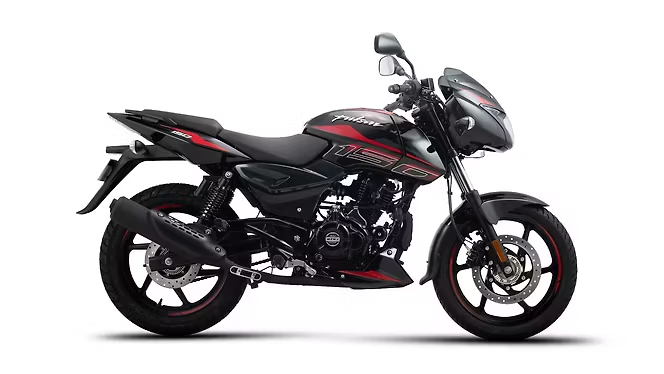
What's The Big News?
Alright, listen up, Pulsar fans! Bajaj just dropped a pretty big bomb, giving us the next generation of their bread-and-butter models: the Pulsar 125 and the Pulsar 150. These aren't just minor facelifts, mind you; we're talking about a significant overhaul that brings these workhorses firmly into the modern era.
For years, riders have been asking for more, and it looks like Bajaj was listening. They've packed in new engines, a proper monoshock setup, LED lights, and even a connected console. And the best part? It's all starting from a price point that won't make your wallet scream, kicking off at just ₹92,990 for the 125. This isn't just an update; it's a statement.
All-New Engines & The Monoshock Advantage
Let's talk about what really matters under the skin. Both the new Pulsar 125 and Pulsar 150 now come with completely new engines. While Bajaj hasn't spilled all the beans on the exact power and torque figures yet, we expect them to be more refined, fuel-efficient, and responsive than before. This isn't just about chasing numbers; it's about a smoother ride, better city performance, and maybe even a little more grunt for those highway stretches.
But the real game-changer here, in my opinion, is the introduction of a monoshock rear suspension. For years, the Pulsar 150, especially, stuck with twin shock absorbers, which did the job but felt a bit dated. A monoshock setup usually translates to superior handling, better ride comfort over broken Indian roads (yes, really!), and a sportier feel. This move alone will make a massive difference in how these bikes corner and absorb bumps, something every daily commuter will appreciate.
Modern Tech & Smart Riding
It's 2024, and riders expect more than just an engine and two wheels. Bajaj knows this, and they've loaded the new Pulsars with a host of modern features. You're getting full LED lighting, which isn't just about looking good; it's about better visibility and safety, especially during those late-night commutes. No more dim halogen lamps struggling to cut through the darkness.
Then there's the connected instrument console. This isn't just a fancy screen; it's likely to offer smartphone connectivity for calls, SMS alerts, turn-by-turn navigation, and perhaps even ride data. This kind of tech, previously reserved for higher segments, is now making its way to accessible commuters. And let's not forget Bajaj's new 'Crawl Tech'. While official details are scant, it's expected to be a low-speed assist system, probably helping with crawling in heavy traffic without constantly feathering the clutch – a godsend for city riders, I tell you!
Specs At A Glance
Feature | New Pulsar 125 | New Pulsar 150 |
|---|---|---|
Starting Price | ₹92,990 (expected) | ₹TBA |
Engine Type | All-new, updated (specs TBA) | All-new, updated (specs TBA) |
Rear Suspension | Monoshock | Monoshock |
Lighting | LED Headlamp, Taillamp | LED Headlamp, Taillamp |
Instrument Console | Connected Digital Display | Connected Digital Display |
Unique Tech | Bajaj Crawl Tech | Bajaj Crawl Tech |
Braking | Expected Disc/Drum combo | Expected Disc/Disc combo |
How Does It Stack Up Against The Competition?
These new Pulsars are stepping into a fiercely competitive ring. The Pulsar 125 will go head-to-head with established players like the TVS Raider 125 and the Honda SP 125. Both rivals offer strong packages, with the Raider being known for its features and youthful appeal, and the SP 125 for its Honda reliability and refinement. The new Pulsar 125, with its monoshock and connected tech, now has a much stronger arsenal to fight them off.
The Pulsar 150, on the other hand, faces off against bikes like the TVS Apache RTR 160 (especially the lower variants) and the evergreen Honda Unicorn. The Apache offers a sportier proposition, while the Unicorn is the king of no-fuss reliability. The updated Pulsar 150, with its new engine and handling improvements, aims to strike a balance, offering a bit of both – commuter comfort with a dash of sporty dynamics. Look, Bajaj has always owned this segment, and these updates show they're not ready to give up that crown just yet.
The Good And The Not-So-Good
What We Like
- Monoshock Suspension: A huge upgrade for ride comfort and handling.
- All-New Engines: Promises better refinement and efficiency.
- Modern Tech: LED lights and connected console bring it up to speed.
- Crawl Tech: Potentially a game-changer for city traffic.
- Aggressive Starting Price: For the 125, it's really competitive.
What Could Be Better
- Design Evolution: While updated, the core design language is very familiar; some might wish for a more radical departure.
- Full Specs Awaited: We're eager to see the exact power/torque figures for the new engines.
- 150 Pricing: The starting price for the 150 is still under wraps, which leaves a bit of suspense.
Price & When You Can Buy It
The new Pulsar 125 kicks off at a very attractive price point of ₹92,990 (ex-showroom, likely for the base variant). This puts it squarely in contention with its rivals and makes it an excellent value proposition for someone looking for a premium 125cc commuter.
As for the Pulsar 150, its pricing will be announced closer to launch. However, given the upgrades, we expect it to be strategically positioned to maintain its competitive edge in the 150cc segment. Dealers should start receiving these new models soon, so keep an eye out!
Our Verdict
Here's the thing — Bajaj has done what it needed to do. The Pulsar 125 and 150 have been mainstays for years, and these updates were crucial to keep them relevant. The monoshock, the new engines, and the connected tech aren't just cosmetic; they're functional upgrades that genuinely improve the riding experience. For anyone saving up for years for their first proper motorcycle or looking to upgrade from a basic commuter, these new Pulsars offer a compelling package of modern features, improved dynamics, and that classic Pulsar street presence. They're definitely worth a serious look.