What's The Big News?
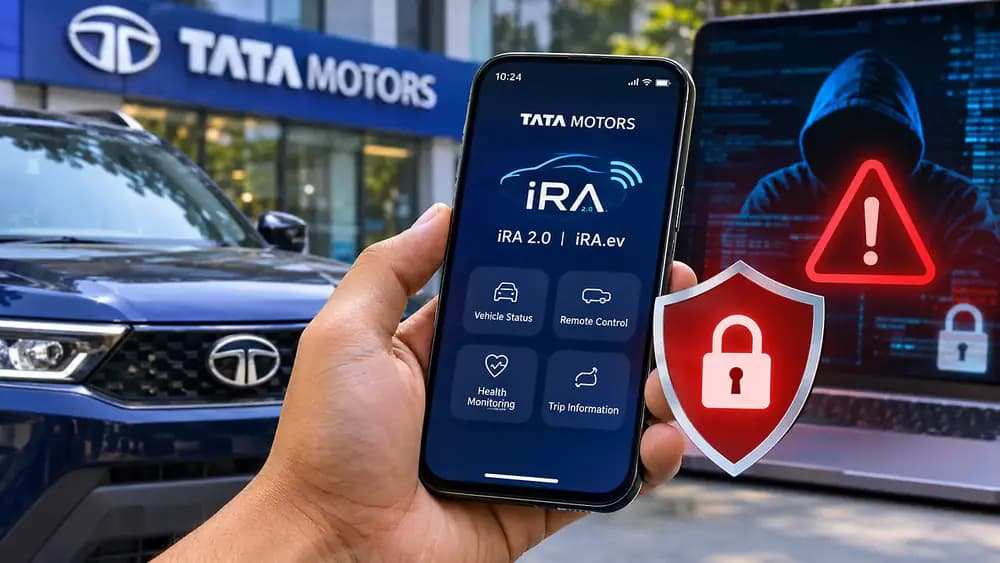
Alright folks, if you drive a Tata car and use their iRA connected car app, you need to pay attention. We're not talking about a new feature or a price hike here. India’s main cyber security agency, CERT-In (that’s the Indian Computer Emergency Response Team, for those keeping score), has dropped a pretty serious alert.
Apparently, there are some vulnerabilities in the iRA mobile app that could let hackers sneak in. This isn't just a minor glitch; we're talking about potential access to your vehicle's systems and, more worryingly, your personal data. It's the kind of news that makes you double-check your phone right away.
Tata iRA App: The Security Loophole Explained
So, what exactly is happening? CERT-In's advisory points to several flaws in the iRA application. Now, without getting too technical – because honestly, most of us just want to drive, not debug – these vulnerabilities could allow an attacker to bypass authentication. Think of it like someone finding a back door to your house without needing a key, even if the front door is locked.
This means a malicious actor could potentially gain unauthorized access to your vehicle's features through the app. Imagine someone being able to remotely control certain functions of your car, or worse, snoop into the data you've shared with the app. That's a pretty scary thought, especially when your car is more than just metal and wheels; it's a connected device now.
CERT-In's warning is clear: these issues are categorised as "high severity." It's not just a minor bug they're talking about; it’s something that needs immediate attention. Honestly, this isn't just about Tata; it highlights a broader challenge for all connected cars. We're putting more and more trust into these apps, and security has to be paramount.
What Does This Mean For Your Car & Data?
Okay, let's break down the real-world impact for you, the owner. If a hacker successfully exploits these vulnerabilities, they could potentially: access your personal information (things like your driving patterns, location data, perhaps even payment info if stored), manipulate certain vehicle controls remotely (like unlocking doors – yes, really!), or even disable some security features. It’s a serious breach of privacy and control.
Now, before you panic and trade in your nexon-ev">Nexon EV, remember that these are potential risks. CERT-In issues warnings to make sure companies and users are aware and take action. It doesn't mean every Tata car out there is actively being hacked right this second. But it does mean the door is open, and it's up to Tata and you to shut it firmly.
This situation also raises questions about the overall security architecture of connected car platforms in India. As more manufacturers push their 'smart' features, the responsibility to protect user data and vehicle integrity grows exponentially. It's not just about cool tech; it's about robust cybersecurity.
Key Details of the iRA Security Advisory
Here’s a quick summary of the important bits from the CERT-In warning regarding the Tata iRA app:
Aspect | Detail |
|---|---|
Affected Application | Tata Motors iRA Connected Car Mobile Application |
Vulnerability Type | Multiple vulnerabilities, including authentication bypass. |
Severity Level | High |
Potential Impact | Unauthorized access to vehicle features, personal data compromise. |
Advisory Issuer | CERT-In (Indian Computer Emergency Response Team) |
Recommended Action | Update the app to the latest version immediately (as and when available). |
How Do Other Connected Car Apps Stack Up?
Look, Tata isn't alone in this connected car game. Maruti has their Suzuki Connect, Hyundai has Bluelink, and Mahindra offers AdrenoX. All these systems provide similar remote functions and telematics. The fundamental challenge they all face is securing a complex ecosystem of vehicle hardware, cloud servers, and mobile applications.
While specific vulnerabilities for other apps aren't in the news right now, this Tata iRA incident is a stark reminder that any connected system is a potential target. Manufacturers invest heavily in cybersecurity, but it's an ongoing battle. What differentiates them is often how quickly and transparently they respond to identified threats. Proactive audits and swift patch deployments are key.
In my opinion, all car buyers looking at connected features should ask pointed questions about data privacy and security updates. It's not just about the features list anymore; it's about trust. A robust, frequently updated security protocol is far better than a flashy but vulnerable system.
The Good And The Not-So-Good
What We Like
- CERT-In's Swift Action: It's good to see India's cyber watchdog being proactive and alerting users quickly. This transparency is crucial.
- Awareness Raised: This warning forces both manufacturers and consumers to take connected car security more seriously.
- Opportunity for Improvement: Tata now has a clear mandate to tighten up their security, which ultimately benefits users.
What Could Be Better
- The Vulnerability Itself: Obviously, the existence of such high-severity flaws is concerning for a system handling car access and personal data.
- Communication Timeline: While CERT-In has warned, clearer communication from Tata Motors on the exact patch status and user actions would be ideal, if not already underway.
- Proactive Security Audits: This incident underscores the need for continuous, rigorous third-party security audits for all connected car platforms from the get-go.
What Tata Owners Need To Do Now
Alright, so what's your immediate next step if you're a Tata owner using the iRA app? The most critical thing is to keep an eye out for updates. Tata Motors will (and should) be releasing a patch or an updated version of the iRA app to address these vulnerabilities. You need to download and install that update as soon as it becomes available. Check your phone's app store regularly for the iRA app.
Beyond that, practice good digital hygiene: use strong, unique passwords for your iRA account, enable two-factor authentication if the app offers it, and be wary of any suspicious emails or messages claiming to be from Tata Motors asking for your credentials. Always download app updates only from official app stores. Don't fall for phishing scams, especially now that this news is out there.
Think of it like getting a service reminder for your car, but for its software. Don't put it off. Your car's security, and your privacy, depend on it.
Our Verdict
This CERT-In warning about the Tata iRA app isn't something to ignore. It's a wake-up call, not just for Tata Motors, but for the entire connected car industry in India. While Tata cars offer fantastic value and increasingly sophisticated tech, this incident reminds us that convenience shouldn't come at the cost of security. We feel that while the initial news is concerning, the real test will be how swiftly and effectively Tata Motors responds. They need to roll out a robust fix, communicate clearly with their customers, and reassure everyone that their digital keys are safe. Here's the thing — in today's connected world, a car's cybersecurity is just as important as its airbag count.