What's The Big News?
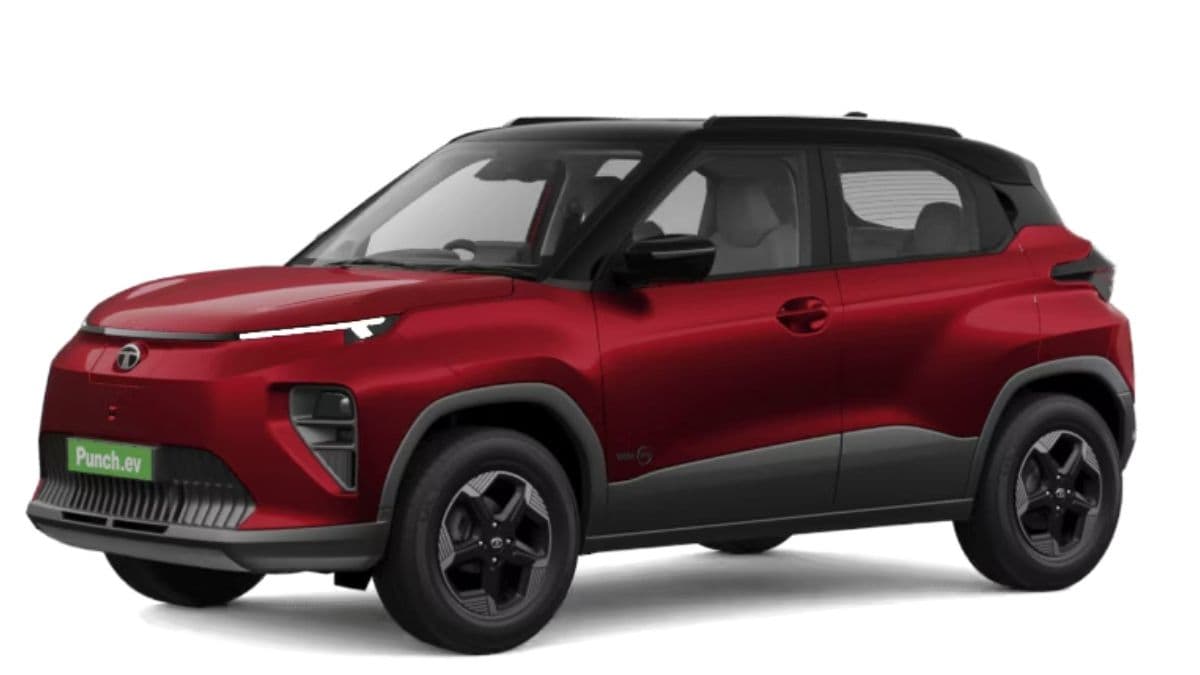
Alright, folks, gather 'round because this is big. Tata Motors, a brand we've come to associate with rock-solid safety, has done it again. Their upcoming 2026 punch-ev">Punch EV facelift, yes, the one everyone's been talking about, has just scored a full 5-star safety rating in the new Bharat NCAP tests. This isn't just another rating; it's a testament to Tata's serious commitment to passenger protection, setting a new benchmark for compact electric vehicles in India.
For those of you who save up for years to buy your dream car, who pore over every spec sheet like it's a sacred text, this news means a lot. It tells you that when you're shelling out your hard-earned money for an electric Punch, you're not just getting an eco-friendly ride; you're getting a fortress on wheels. It’s peace of mind, plain and simple, knowing your family is safe in a car built to withstand the unpredictable chaos of Indian roads.
Punch EV's Safety Score: A Deep Dive
So, what does this 5-star rating actually mean for the 2026 Tata Punch EV? Well, Bharat NCAP is India's own safety assessment program, tailored specifically for our conditions. A 5-star rating here means the vehicle performed exceptionally well in both Adult Occupant Protection (AOP) and Child Occupant Protection (COP) tests. The Punch EV facelift has secured impressive scores in both categories, though the exact numerical points are yet to be revealed by the testing authority.
This isn't just about ticking boxes; it's about structural integrity, advanced safety features, and how effectively the car can protect its occupants in a collision. We're talking about controlled deformation zones, robust airbags (likely six or more, knowing Tata's recent pushes), and seatbelt pretensioners all working in harmony. For an EV, where the battery pack's safety is also paramount, this rating assures us that Tata has integrated the high-voltage components securely, minimizing risks during impacts. Honestly, this sets a high bar for other manufacturers to follow, especially in the budget-friendly EV segment.
Why This Matters for the Indian EV Market
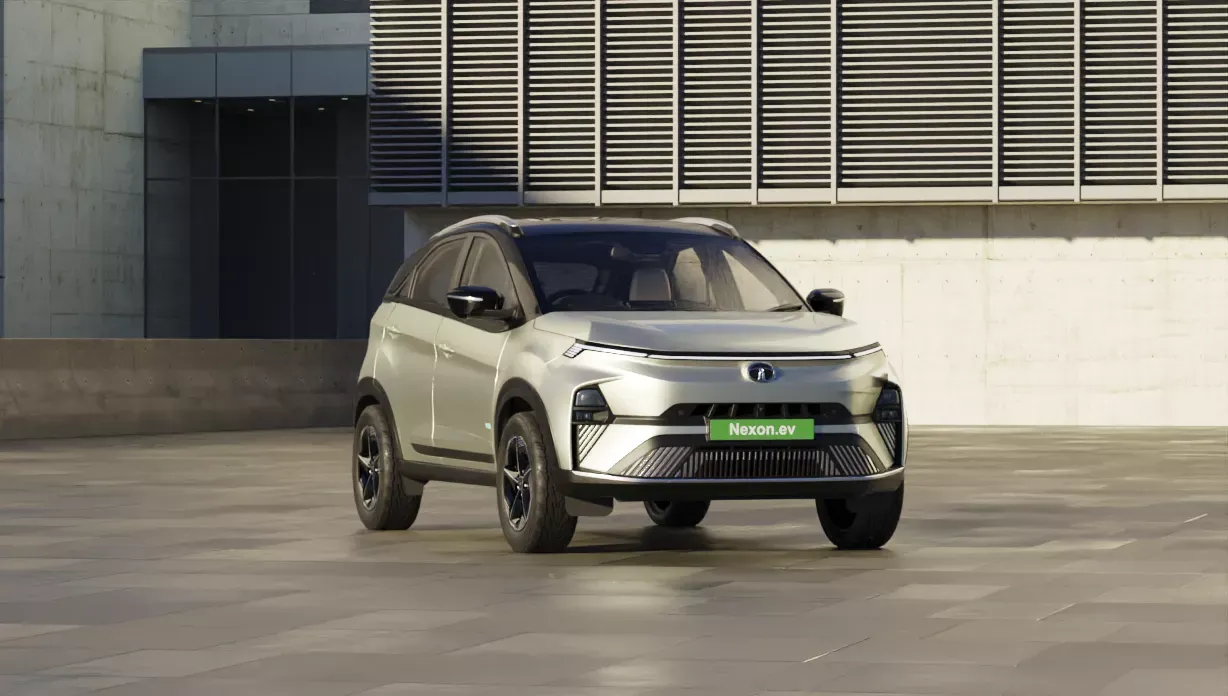
Look, the biggest hurdle for many Indian buyers when considering an EV, besides range anxiety, is often safety perception. There's a lingering doubt about how a battery-laden car would perform in a crash. Tata, with its consistent 5-star showings across its ICE and EV lineup (nexon-ev">Nexon EV, for instance), is systematically dismantling that concern. The Punch EV's 5-star rating sends a clear message: electric cars can be just as safe, if not safer, than their petrol counterparts.
This move is strategically brilliant for Tata. They're already dominating the EV market share, and now they're reinforcing their position as the go-to brand for safe electric mobility. It also puts pressure on competitors like Mahindra, MG, and even Maruti (when they finally get serious about EVs) to step up their game. Indian consumers are increasingly safety-conscious, and a 5-star rating isn't just a marketing gimmick; it's a genuine selling point, especially when you're comparing vehicles at a similar price point. It helps build trust in the nascent EV ecosystem here, encouraging more people to make the switch.
Specs At A Glance
While the full details for the 2026 Tata Punch EV facelift are still under wraps, here's what we know and what we can expect based on its current iteration and the recent safety announcement.
Feature | Details (for 2026 Facelift) |
|---|---|
Bharat NCAP Safety Rating | 5 Stars (Adult & Child Occupant Protection) |
Powertrain | TBA (Expected to carry over or receive updates from current 25 kWh/35 kWh variants) |
Battery Options | TBA (Current models offer approx. 25 kWh & 35 kWh) |
Claimed Range (MIDC) | TBA (Current models offer approx. 315 km & 421 km) |
Motor Output | TBA (Current models offer approx. 60 kW/114 Nm & 90 kW/190 Nm) |
Charging Capability | TBA (Current models support DC fast charging up to 50 kW) |
Key Safety Features | Likely 6 Airbags, ABS with EBD, ESP, ISOFIX, Hill Hold Assist (Specifics for 2026 model TBA) |
How Does It Stack Up Against The Competition?
When you talk about compact electric SUVs or hatchbacks, the Tata Punch EV primarily goes up against the Citroen eC3 and the MG Comet EV. The upcoming Hyundai Creta EV might be in a different segment, but it shows the market's direction. Now, with a confirmed 5-star Bharat NCAP rating for the 2026 model, the Punch EV takes a significant lead.
The Citroen eC3, while comfortable and spacious, hasn't undergone NCAP tests, leaving a question mark over its safety credentials. The MG Comet EV, being a micro-EV, focuses more on urban convenience and affordability; its safety architecture is inherently different, and it too lacks a robust NCAP rating. This 5-star score gives the Punch EV a massive advantage, especially for family buyers. While the Nexon EV Max also boasts a 5-star rating (from Global NCAP for the ICE version, though EV structure is similar), the Punch EV targets a slightly more accessible price point, making top-tier safety available to a wider audience. This is better than what Maruti gives you at this price point, that’s for sure.
The Good And The Not-So-Good
What We Like
- Unmatched Safety: A confirmed 5-star Bharat NCAP rating is a huge differentiator in its segment.
- Tata's EV Leadership: Continues to solidify Tata's position as a leader in safe, accessible electric mobility.
- Peace of Mind: For buyers, especially families, this means a significantly safer vehicle on the road.
- Anticipated Updates: The '2026 facelift' suggests potential improvements in features, range, and design.
- Robust Build: Builds on the already strong reputation of the Punch's ICE variant.
What Could Be Better
- Specifics are Scarce: We're still waiting for official performance, range, and feature details for the 2026 model.
- Charging Infrastructure: While improving, a wider, faster charging network is always needed for EVs.
- Potential Price Hike: Given the updates and safety enhancements, expect a slight premium over the current model.
- Interior Space: While good for its class, it's still a compact car, so don't expect cavernous space.
Price & When You Can Buy It
Since we're talking about the '2026 Tata Punch EV facelift,' it's pretty clear we're still a fair bit away from its official launch. Tata hasn't revealed any pricing details, nor have they given a specific launch timeline beyond the year 2026. However, based on the current Punch EV's pricing, which ranges from around ₹11 lakh to ₹15.5 lakh (ex-showroom), we can expect the facelifted version to command a slight premium. Pricing will undoubtedly be announced closer to its market debut.
As for when you can buy it, well, '2026' is the key here. So, expect to hear more concrete details about bookings and deliveries sometime next year or early 2026. It's a wait, but if the safety rating is anything to go by, it'll be worth it.
Our Verdict
Here's the thing — the 2026 Tata Punch EV's 5-star Bharat NCAP rating isn't just a number; it's a statement. It's Tata telling every Indian buyer that safety isn't a luxury, even in a compact, affordable electric vehicle. For families and first-time EV buyers, this piece of news is a massive confidence booster. While we're still keen to see the full spec sheet for the facelifted model, this safety rating alone makes the upcoming Punch EV a formidable contender and, in my opinion, one of the most compelling electric choices for the price of a mid-spec Swift. If you're eyeing an EV and safety is your top priority (and it absolutely should be), then the updated Punch EV should be right at the top of your list. Tata has truly hit it out of the park here.