What's The Big News?
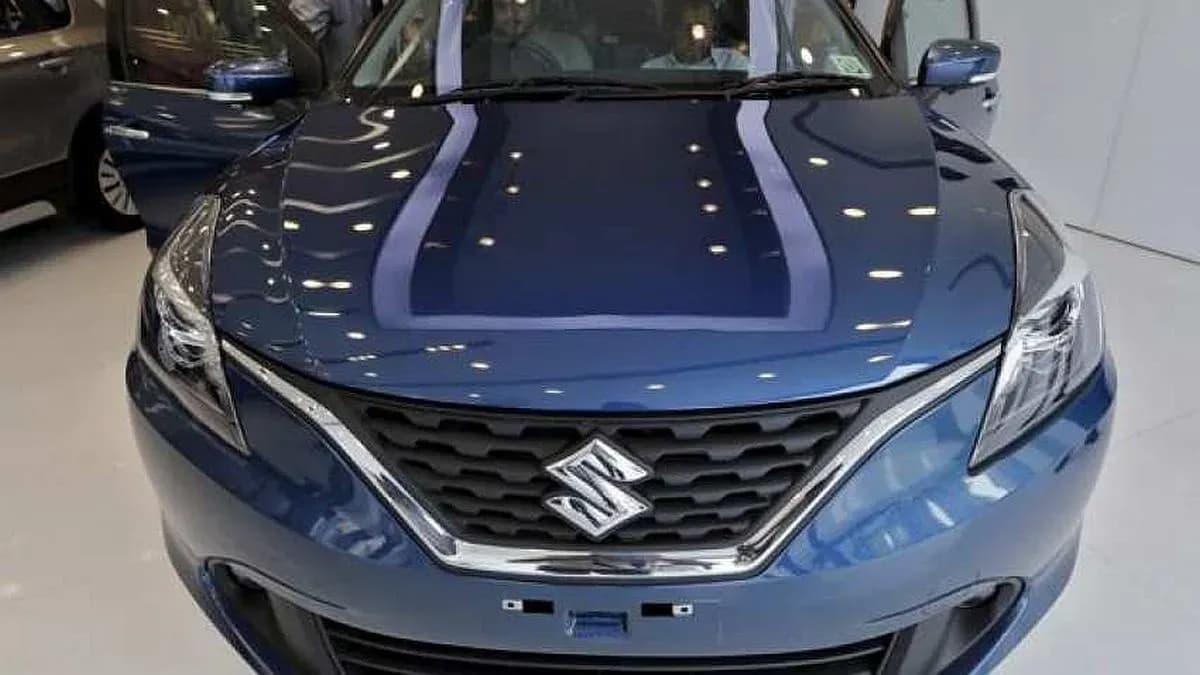
Alright folks, listen up! If you're in Telangana and dreading that dreaded RTO driving test, we've got some news that might just make you breathe a little easier. Maruti Suzuki, yes, our very own Maruti bhaiya, is stepping up in a big way. They're setting up a whopping 12 automated driving test tracks across six different locations in the state. This isn't just a minor upgrade; it's a complete overhaul of how we approach getting a driving license.
Think about it: no more relying on the mood of the inspecting officer, no more 'jugaad' to clear the test. These new tracks mean your driving skills will be assessed by machines, based on objective parameters. For anyone who's ever tried to get a license in India, you'll know this is a massive deal. It's about bringing transparency and genuine skill assessment to the forefront, something we've been needing for ages.
The Tech Behind Your Driving Test
So, what exactly does an 'automated' driving test mean? Well, picture this: you're driving on a specially designed track, but instead of a human examiner scrutinizing every move, you've got an array of sensors, high-definition cameras, and sophisticated software doing the job. These systems meticulously track everything from your lane discipline to how smoothly you take turns, your parking accuracy, and even your reaction times.
It's designed to simulate real-world driving conditions, but with the precision of a computer. We're talking about tests for parallel parking, reverse S-turns, gradient driving, and emergency braking – all assessed without human bias. It'll measure if you're using your indicators correctly, maintaining proper distance, and not stalling on a slope. Honestly, it's about time we embraced technology to make our roads safer, starting right from the licensing stage.
Why This Matters for Indian Roads
Here's the thing — this isn't just about making the RTO process smoother. This initiative by Maruti Suzuki has a direct, massive impact on road safety across India, starting with Telangana. How many times have we seen drivers on the road who clearly shouldn't have a license? A big part of that problem stems from a flawed and often subjective testing process.
By introducing automated, standardized tests, we're ensuring that only genuinely capable drivers pass. It means better-trained drivers hitting our bustling streets, leading to fewer accidents, less chaos, and ultimately, saving lives. Maruti's involvement also sends a strong message: as a leading automaker, they're not just selling cars, they're investing in the ecosystem that makes driving safer for everyone. This could very well be the blueprint for other states to follow (and honestly, it shows).
Specs At A Glance
Feature | Details |
|---|---|
Number of Tracks | 12 |
Locations | 6 across Telangana |
Primary Partner | Maruti Suzuki |
Technology Used | Automated sensors, high-definition cameras, sophisticated software |
Tests Covered | Lane discipline, parallel parking, reverse S-turn, gradient driving, emergency braking, signaling, speed control |
Objective | Fair, transparent, unbiased skill assessment |
Automated vs. Manual: The Real Difference
We've all heard the stories, or perhaps even experienced it ourselves: the manual driving test. A stern-faced RTO official, a brief drive around a small circuit, and sometimes, the passing or failing decision felt like it came down to luck or who you knew. It was subjective, prone to human error, and frankly, often didn't truly assess a person's driving capability.
Now, with automated tracks, that entire dynamic shifts. The machine doesn't care if you're nervous or if the examiner had a bad day. It only cares about the data: did you stay within the lines? Was your parking precise? Did you use your signal at the right time? It takes out the guesswork and ensures a uniform standard for everyone. It's a huge step towards making our licensing process credible, unlike the old days where your passing felt more like a prayer than a proven skill.
The Good And The Not-So-Good
What We Like
- Fairness & Transparency: No more subjective decisions; it's all data-driven.
- Standardization: Ensures a consistent level of testing across all locations.
- Improved Road Safety: Only genuinely skilled drivers will get their licenses, potentially reducing accidents.
- Reduced Corruption: Minimizes opportunities for under-the-table dealings.
- Advanced Skill Assessment: Tests a wider range of crucial driving maneuvers with precision.
What Could Be Better
- Initial Adaptation: Some might find the precision of automated tests challenging initially.
- Technical Glitches: Like any tech, there's always a small chance of system errors, though usually minimal.
- Accessibility for All: Ensuring facilities are easily reachable for everyone, especially in rural areas, will be key.
- Learning Curve for Instructors: Driving schools will need to adapt their training methods to these new standards.
Cost & Accessibility
So, what about the cost? While Maruti Suzuki is setting up the infrastructure, the actual fee for your driving test will remain as per the RTO's official rates. These tracks are essentially an upgrade to the existing government testing facilities. You won't be paying Maruti directly for the test itself, but rather the standard government fees, which are generally quite affordable, usually in the ₹500-1000 range for a full test. As for when you can use them, the official operational dates for each of the 12 tracks will be announced closer to their completion and inauguration by the Telangana transport department.
Our Verdict
Look, this move by Maruti Suzuki in Telangana is more than just a CSR initiative; it's a critical investment in India's road safety future. For years, we've talked about the quality of drivers on our roads, and a huge part of that starts with how licenses are issued. Automated test tracks bring an undeniable level of objectivity and rigor to the process. In my opinion, this isn't just about making it easier or harder to get a license; it's about ensuring that those who do get one are truly competent and ready for the challenges of Indian traffic. It's a fantastic step forward, and we hope to see similar initiatives rolled out across the country soon. It’s a win for applicants, a win for road safety, and honestly, a win for common sense.