What's The Big News?
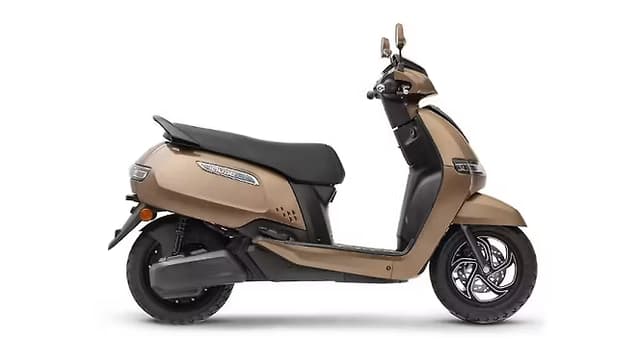
Alright, folks, Arman here, and it looks like TVS has been busy behind the scenes, pulling a bit of a strategic move with their entry-level iQube. For all you potential electric scooter buyers who've been eyeing the iQube, here's some news: the base variant, which earlier came with a 2.2kWh battery, has now been quietly upgraded to a larger 2.3kWh unit. Yes, really, a bigger battery without a bump in the sticker price!
This isn't just a minor tweak; it means more range for the same money, which on paper sounds fantastic, doesn't it? TVS is keeping the price locked at ₹1.16 lakh (ex-showroom, Bengaluru, before subsidies). But as any seasoned enthusiast knows, there's always a 'but' when something sounds too good to be true. We need to dig a little deeper to understand what this upgrade truly entails and if there are any hidden compromises.
The Battery Boost & The Unspoken Trade-offs
So, the headline here is definitely the battery. Moving from 2.2kWh to 2.3kWh might seem like a small jump on paper, but in the world of electric scooters, every bit of extra capacity translates to more kilometres on a single charge. For the average city commuter, that extra buffer can mean the difference between a comfortable ride home and range anxiety kicking in. This upgrade clearly aims to make the entry-level iQube a more viable option for those with slightly longer daily commutes or simply those who prefer charging less often.
However, here's the thing — TVS isn't just handing out free upgrades. The context mentions 'notable trade-offs,' and while TVS hasn't detailed them officially, an unchanged price with a bigger battery usually means something else has been adjusted. We're talking about possibilities like a slightly reduced feature list, perhaps a different charger specification, or even minor changes in peak motor performance compared to previous versions or higher trims. It could also be a clever optimization of the existing platform. What we know for sure is that you're getting more range for your money, which is a big win, but don't expect the world without some balancing acts elsewhere. It's a game of give and take, especially at this price point.
Why This Matters for Indian Buyers
Look, in a market like India, where every rupee counts, a bigger battery at the same price is a significant competitive edge. Many of us save up for years to get our dream two-wheeler, and an electric scooter is a big investment for many. The iQube has always been known for its balanced performance and reliability, a solid choice for someone looking for a dependable EV without too many frills. This upgrade strengthens its position right at the entry point of the EV segment.
This move makes the iQube a more attractive proposition against rivals who might offer similar range but at a slightly higher price, or conversely, those priced similarly but with lesser range. It's a smart play by TVS to capture a larger share of the burgeoning budget EV scooter market. For someone upgrading from a petrol scooter, this enhanced base variant now offers a more compelling argument for making the switch to electric, particularly concerning the practical usability of increased range in daily commutes.
Specs At A Glance
Feature | Details (2.3kWh Variant) |
|---|---|
Battery Capacity | 2.3 kWh |
Range | Improved (vs 2.2kWh variant) |
Price (Ex-showroom Bengaluru) | ₹1.16 lakh (excluding PM E-Drive subsidy) |
Charging Time | TBA |
Top Speed | TBA |
Motor Power | TBA |
How Does It Stack Up Against The Competition?
When you're shelling out over a lakh rupees for a scooter, you're obviously cross-shopping. The TVS iQube with its new 2.3kWh battery lands squarely in the ring with some tough competitors. You've got the likes of the Ola S1 X, which offers multiple battery options, often with very aggressive pricing, especially during festive seasons. Then there's the Bajaj Chetak Urbane, another strong contender with its premium feel and established brand loyalty, although sometimes it feels a bit pricier for the range it offers.
The iQube's strength has always been its no-nonsense, reliable package and a more conventional scooter design that appeals to a wider audience, unlike some of its more futuristic-looking rivals. With this larger battery, it now directly challenges the range claims of its peers at a similar price point. While the Ola S1 X might offer slightly more features or quicker acceleration in some trims, the iQube counters with its build quality and widespread service network, which is a huge plus for buyers outside metro cities. It's a close fight, but the iQube's improved range for the same money definitely makes it a stronger contender for the practical-minded buyer.
The Good And The Not-So-Good
What We Like
- Bigger Battery Capacity: More juice means more kilometres, plain and simple.
- Unchanged Price: Getting more for your money is always a good deal in India.
- Improved Range: Less range anxiety, more practical for daily commutes.
- TVS Reliability: A brand known for its dependable scooters and strong service network.
- Subtle Design: Appeals to a wider audience who prefer conventional aesthetics.
What Could Be Better
- Unspecified Trade-offs: The lack of clarity on what's been compromised is a bit unsettling.
- Pricing Still Premium: Despite the unchanged price, it's still a significant investment compared to petrol scooters.
- Charging Infrastructure: Still a challenge in many parts of India, not specific to iQube but an EV reality.
- Performance Details: Official figures for top speed and acceleration for the new variant are still awaited.
Price & When You Can Buy It
The good news on the price front is that TVS has managed to hold the line. The iQube 2.3kWh variant is priced at ₹1.16 lakh (ex-showroom, Bengaluru). Do remember, this price does not include any PM E-Drive subsidy that might be applicable, so your final on-road price could vary slightly depending on your state and local incentives. It's already available for purchase, so if you're keen, you can head to your nearest TVS dealership and check it out.
Our Verdict
Honestly, this move by TVS is a bit of a mixed bag, but mostly a positive one for the consumer. On one hand, you're getting a bigger battery and improved range without paying a single extra rupee, which is a smart play by TVS to stay competitive. For the price of a mid-spec Swift, you're getting a significantly more capable entry-level EV scooter, and that's something to appreciate. However, the mention of 'notable trade-offs' without specifying them leaves us a little curious. While we commend TVS for the range bump, we'd appreciate full transparency on any features or specs that might have been adjusted to keep the price steady. For someone looking for a reliable, no-frills electric scooter with decent range for city commutes, the updated iQube 2.3kWh makes a very strong case for itself. It's definitely worth a test ride if you're in the market for an EV two-wheeler.