What's The Big News?
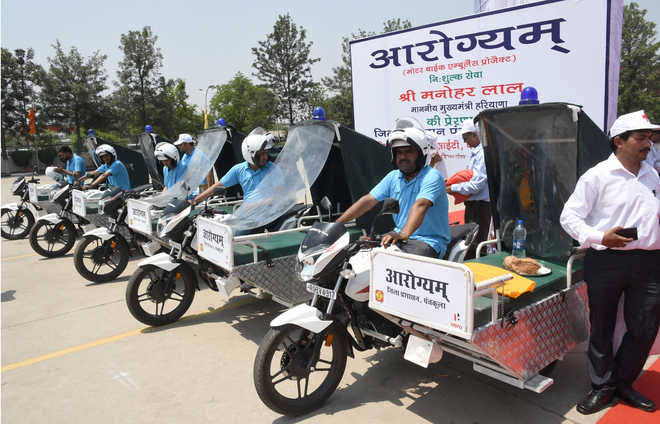
We've all seen how choked our Indian city streets get during peak office hours. In a traffic jam where even a small hatchback can't squeeze through, a standard full-size van ambulance stands virtually zero chance of reaching a critically ill patient in time. Enter the bike ambulance — a lifesaving concept that has been around in a few Indian states for a while, but mostly as local, unorganized modifications without standardized regulations.
That grey area is finally disappearing. The Ministry of Road Transport and Highways (MoRTH) has stepped up and proposed formal draft regulations under the Central Motor Vehicles Rules to regulate two-wheeled ambulances across the country. (about time, MoRTH!) This move brings official safety, medical equipment, and periodic inspection benchmarks to first-responder motorcycles nationwide.
Proper Standards For First-Responder Motorcycles
Until now, turning a commuter motorcycle into a mobile medical unit was pretty much an unregulated affair. Local fleet operators or local garage mechanics would weld heavy sidecars onto ordinary 150cc bikes without running structural stress tests, upgrading the braking system, or checking frame balance. (and honestly, it shows) The proposed MoRTH guidelines aim to end this unsafe practice by setting strict engineering and fitness mandates.
Under the draft notification, two-wheeled road ambulances will have to meet specific structural integration rules, carry standard emergency beacons, and undergo dedicated periodic fitness tests. These requirements ensure that the vehicle remains balanced and stable even when loaded with heavy lifesaving gear like portable oxygen cylinders, automated external defibrillators (AEDs), and trauma management kits. By treating these bikes as specialized emergency units rather than mere aftermarket jobs, the government is making sure that the rider and the patient get a vehicle that is genuinely safe on unpredictable Indian roads.
Why This Matters For Indian Roads
Imagine navigating the tight, congested gullies of Chandni Chowk in Delhi, or weaving through bumper-to-bumper traffic on Bengaluru's Silk Board junction. A traditional force traveller or tempo-based ambulance simply cannot make quick progress in those conditions. A well-equipped, nimble motorcycle handled by a trained paramedic can reach the emergency site in a fraction of the time, administering crucial care during the vital golden hour.
Running a fleet of these specialized two-wheelers is remarkably cost-effective too. Deploying three or four fully equipped first-responder motorcycles costs less than maintaining a single mid-spec four-wheeled ambulance unit. It's a pragmatic, real-world fix designed specifically for the unique chaos of Indian urban traffic and remote rural tracks where wide roads don't even exist.
Specs At A Glance
Parameter | Details / Proposed Standard |
|---|---|
Vehicle Classification | Two-Wheeled Road Ambulance |
Regulatory Authority | Ministry of Road Transport and Highways (MoRTH) |
Governing Rules | Central Motor Vehicles Rules (CMVR), 1989 amendments |
Mandatory Fitments | Emergency lights, siren, designated medical equipment storage |
Fitness Inspection | Dedicated periodic inspection standards proposed |
Pricing / Cost | TBA (depends on base motorcycle & medical fitments) |
Implementation Status | Draft notification open for stakeholder comments |
How Does It Stack Up Against The Competition?
When you contrast these regulated bike ambulances with traditional emergency options, the trade-offs are crystal clear. A full-sized four-wheeler ambulance carries comprehensive life support and allows patients to lie down flat during transit. However, it gets stuck easily in urban gridlocks and cannot enter narrow lanes. On the other hand, improvised local motorcycle conversions were quick in traffic, but they often compromised rider safety due to makeshift frames and poor weight distribution.
These newly proposed standardized two-wheeled ambulances strike the perfect middle ground. They offer quick response times and nimble handling while ensuring structural safety and mandatory medical gear compliance. Instead of replacing four-wheeled ambulances, these bikes will serve as rapid first-responder units that stabilize patients until heavy support arrives.
The Good And The Not-So-Good
What We Like
- Drastically cuts down emergency response times in crowded cities and narrow rural lanes.
- Standardized regulations prevent unsafe, unapproved garage modifications on budget bikes.
- Significantly lower operational and purchase costs for hospitals and municipal bodies.
- Mandatory inspection norms ensure medical equipment stays secure while riding.
What Could Be Better
- Cannot transport non-ambulatory patients without specialized sidecar attachments.
- Paramedics and sensitive medical gear remain exposed to heavy rain and extreme summer heat.
- Strict enforcement across all state transport authorities will take time to streamline.
Price & When You Can Buy It
Since these new rules are currently in the draft proposal phase, final implementation dates will depend on when MoRTH reviews public comments and issues the official central mandate. These vehicles won't be sold as personal commuter transport for everyday buyers — they are aimed directly at government health departments, emergency response agencies, private hospital networks, and NGO fleets.
Official vehicle prices will depend on the base motorcycle chosen by the fleet builder and the level of medical equipment installed on board. Expect pricing details and certified retrofit kits to become clear once the draft rules pass into final law.
Our Verdict
Here's the thing — emergency healthcare in India needs practical, on-the-ground fixes, not just high-tech promises. Regulating two-wheeled ambulances under the CMVR framework is one of the smartest, most realistic policy moves we've seen recently for Indian traffic conditions. If executed properly with tight quality checks, this initiative will save countless lives by putting certified paramedics at crash sites minutes before big ambulances can even clear the traffic jam.